Author name: editor

Opening Successes of Operation Barbarossa 1941 | Operation Barbarossa Newspaper Report 1941
1940, Eastern Front, PM Tabloid

The German Eastward Thrust
(PM Tabloid 1941)

Sub-surface evidence that the war on the Russian Front is going into a more crucial phase is mounting… if the present German drive achieves the bulk of its objectives, the Russians will have had some of their resistance power taken away from them. They will not have quite the same communications, the same supply facilities or the same freedom of movement they have had to work with thus far.

Beautiful Girls Wanted (Coronet Magazine, 1948)
1948, Advertising, Coronet Magazine

Beautiful Girls Wanted
(Coronet Magazine, 1948)

American advertising struck pay dirt when it discovered the super salesgirls whose irresistible allure will sell anything from a bar of soap to a seagoing yacht…Always there was the secret whisper of sex. For women it was, ‘Be lovely, be loved, don’t grow old, be exciting’… For men it was, ‘Be successful, make everyone know that your successful, how can you get women if your not successful?’

WW2 Propaganda Radio Broadcasts | American 1940s Radio Programming |DIRECTION Magazine Content
1941, Direction Magazine, Radio History

Propaganda Radio
(Direction Magazine, 1941)

This magazine article first appeared on American newsstands during February of 1941; at that time the U.S. was ten months away from even considering that W.W. II was an American cause worthy of Yankee blood and treasure; yet, the journalist who penned the attached column believed that American radio audiences were steadily fed programming designed to win them over to the interventionist corner. He believed that it was rare for isolationists to ever be granted time before the microphones and quite common for newscasters to linger a bit longer on any news item that listed the hardships in France and Britain. Objectivity was also missing in matters involving the broadcasting of popular song:


The morning after the Japanese attack on Pearl Harbor President Roosevelt stood before the microphones in the well of the U.S. Capitol and became the first president to ever broadcast a declaration of war; CLICK HERE to hear about the reactions of the American public during his broadcast…

Advertisement

Use shortcode [oma_ad position="summary_top"] (or other position) in your theme or widgets to display OMA Promotions here.

WPA Music Projects in NYC | WPA Symphony Orchestras in NYC During the 1930s
1941, Newsweek, WPA

The WPA Symphony Orchestras
(Newsweek Magazine, 1941)

This article lays out the enormity of the WPA Music Projects in the City of New York during 1941 – It sponsors the most extensive musical organization ever assembled in one city: two symphony and eight dance orchestras, two bands, two choral groups and three ensemble employing some 500 musicians, not to mention 96 music centers with 188 teachers instructing 22,000 students.

Women Worked the Farms During WW2 | ww2 Farm Labor Shortage | WW2 Draft Deferments for Farmers
1943, Click Magazine, Women (WWII)

Women Worked The Farms
(Click Magazine, 1943)

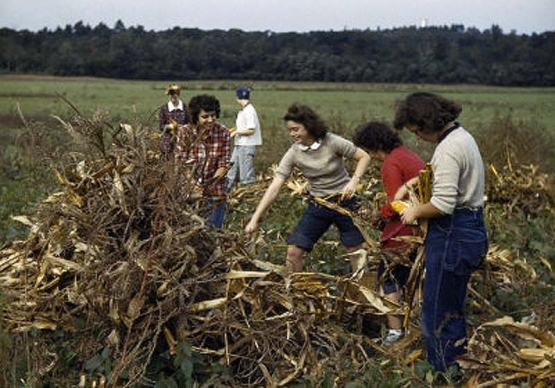
Although the Selective Service agency granted 4,192,000 draft deferments to farmers throughout the course of World War II, the U.S. Department of Agriculture recognized that this number alone would never be enough to harvest the food necessary to feed both the home front and the armed forces. With this shortage in mind, the Women’s Land Army was created in 1943 to provide that essential farm labor that proved so vital in winning the war. Between the years 1943 and 1945 millions of American women from various backgrounds rolled up their denim sleeves and got the job done. The attached magazine article is one of the first to tell the tale of this organization, and was printed at a time when there were only 60,000 women in the field.<
The Training of American Blue Blooded Officers at Plattsburg (Vanity Fair Magazine, 1917)
1917, Vanity Fair Magazine, World War One

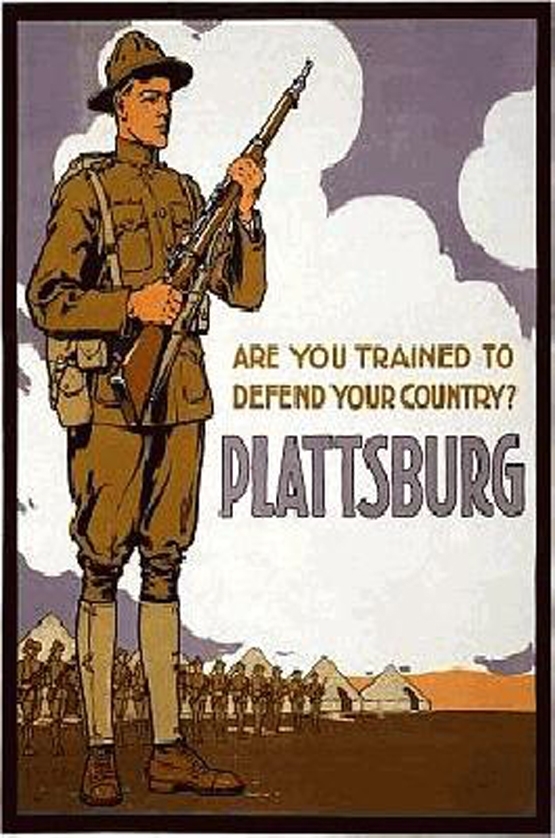
The Training of American Blue Blooded Officers at Plattsburg
(Vanity Fair Magazine, 1917)

A leaf torn from the chic pages of VANITY FAIR in which eight snap shots depict various high-profile New Yorkers absorbed in their officer training routine. The journalist opined:

The Business Man’s Camp at Plattsburg has accomplished several of it’s avowed objects. It has proved itself practicable. It has demonstrated that men of high standing in business, professional and social affairs are willing to make personal sacrifices for the country’s good. It has shown that American officers have made good use of lessons taught by the War, and have adapted their tactics to conform to modern exigencies. Finally, the Plattsburg camp has grounded a large number of intelligent Americans in the rudiments of warfare.


You can read an article about General Wood here.

Advertisement

Use shortcode [oma_ad position="summary_top"] (or other position) in your theme or widgets to display OMA Promotions here.

WW1 German Machine Guns Manned by Women 1918
1919, The Stars and Stripes, World War One

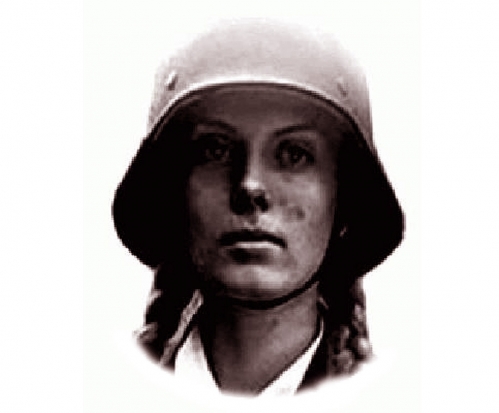
German Girls Captured as Machine Gunners
(Stars and Stripes, 1919)

This paragraph was lifted from a longer article concerning the battle-savvy Native Americans of World War One and it supports the claims made in 1918 by a number of nameless allied POW’s who reported seeing female soldiers in German machine gun crews toward the close of W.W I. There is solid documentation pertaining to the women who served in the Serb, Russian and French armies but very little as to the German ladies who did the same. The article appeared after the Armistice and this was a time when The Stars and Stripes editors were most likely to abstain from printing patriotic falsehoods.

If you would like to read another article about women combatants in W.W. II, click here.

Click here to read additional articles about the rolls women played during W.W. I.

History of the Little Brown Church of the Valley 4418 Coldwater Cyn |
1954, Faith, The American Magazine

Open All Night
(The American Magazine, 1954)

Ever since America established the car culture, there came a need for all-night retail establishments: hamburgers, hot dogs, beer, pharmaceuticals – you get the picture. During the late Thirties this became apparent to the Reverend John Welles as he drove aimlessly through the West – he saw that it was quite possible to acquire meatloaf at all hours of the night, but if you wanted to speak with a minister of the Gospel, you were just plain out of luck. It was then that Welles swore to himself:


If ever I have another church, it will be open day and night. The soul doesn’t come alive on Sunday mornings only, and some day I’ll build a church where people can pray whenever they wish.

Advertisement

Use shortcode [oma_ad position="summary_top"] (or other position) in your theme or widgets to display OMA Promotions here.

The Farm Service Administration in 1942
1942, Agricultural Labor, Pic Magazine

Aid From The Farm Service Administration
(Pic Magazine, 1942)

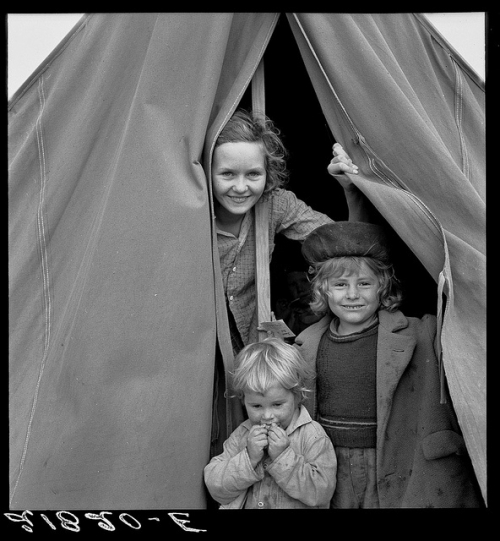
It matters not that we’re fighting a war on, under and over all the seas and on half the continents of the earth. Uncle Sam is determined that there shall be be no new army of ‘forgotten men’ to make a mockery of all the things for which we are now fighting…The Farm Security Administration [has been] detailed to look out for migratory defense workers – the kind who can’t find a place to live in overcrowded war-boom towns


Click here to read about the effects that the Great Depression had on the clothes we wore…

Ageist View of Older Adult Main Characters in Movies | Stereotypical Mothers in Hollywood Movies | Portrayal of Older Characters in Movies
1926, Flappers, Pathfinder Magazine

The Depiction of Mothers in Silent Film
(Pathfinder, 1926

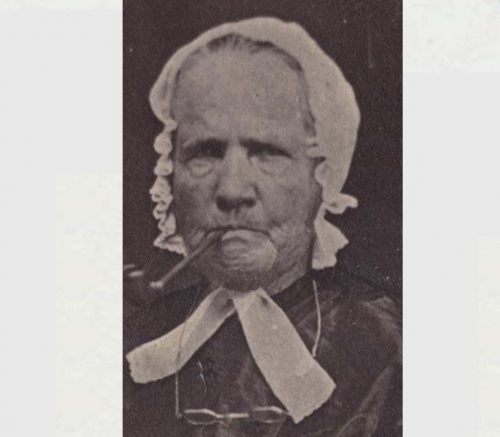
This one is from the more things change, the more they stay the same department; it was penned by an outraged woman who was plenty peeved that nascent Hollywood chose to cast geezers to play the rolls of mothers in their movies. In light of the fact that women had babies at far, far younger ages one hundred years ago, she illustrated her point with an anecdote pulled from the annals of the Chicago Police Department.

Advertisement

Use shortcode [oma_ad position="summary_top"] (or other position) in your theme or widgets to display OMA Promotions here.

Why More Boys Are Born During and After Wars | Boy-Girl Birth Ratio During Wartime
1945, Pic Magazine, World War Two

More Boys Are Born During War
(Yank & Pic Magazines, 1945)

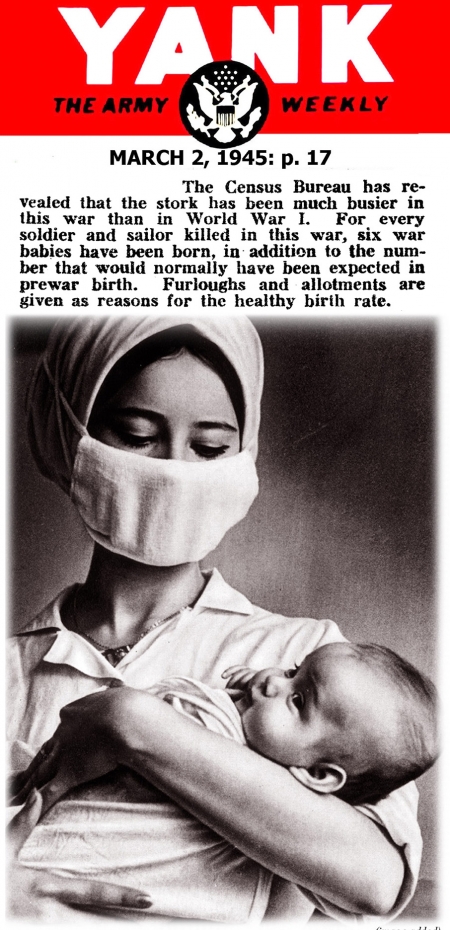
The fact that more boy babies are born during and immediately after major wars is a phenomenon that was discovered by the underpaid statisticians employed by the Metropolitan Life Insurance Company in 1942. The articles that are attached are but two of what was probably four hundred articles that appeared on the topic that year. The writers and thinkers of the digital age continue studying this actuality – among them is the gang over at Psychology Today who wrote:

Scientists have known for a long time that more boys than usual are born during and after major wars. The phenomenon was first noticed in 1954 with regard to white children born during World War II in the United States. It has since been replicated for most of the belligerent nations in both World Wars. The phenomenon has been dubbed the ‘returning soldier effect.’ There is no doubt that the phenomenon is real, but nobody has been able to explain it. Why are soldiers who return from wars more likely to father sons than other men?

Gray Hair on Young Men | Grey Hair from Stress
1944, Pathfinder Magazine, World War Two

The Brutality of Combat
(Pathfinder Magazine, 1944)

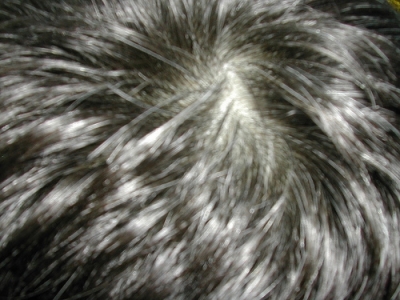
The shock of modern battle is so severe to nervous systems that the hair color of thousands of young men in the Pacific and European theaters of war has turned gray overnight.


Not surprisingly, the young men in question had no interest in resembling their grandfathers
and so the services of a patriotic hair dye manu- facturing firm were secured.


Read more articles from PATHFINDER MAGAZINE…

Women Taking Men's Jobs During WW I
1919, The American Legion Weekly, Women (WWI)

‘The Woman Who Took A Soldier’s Job”
(American Legion Weekly, 1919)

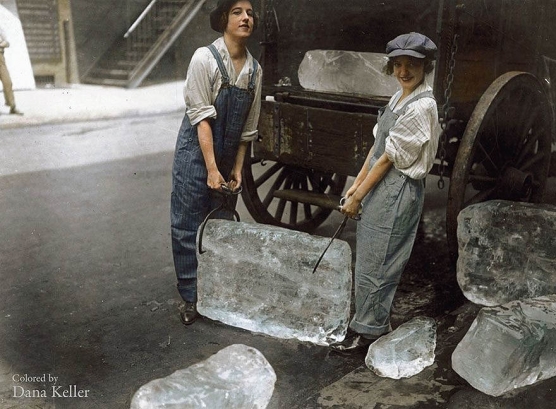
Two years ago when the men began to drop out of the industrial world at the call to the colors their women associates gradually slipped into their places, and in the majority of cases effectively filled them… Those men have now nearly all come back to claim their old, or better jobs. What of the girl, then, in the soldier’s job? What is she going to do?

Advertisement

Use shortcode [oma_ad position="summary_top"] (or other position) in your theme or widgets to display OMA Promotions here.

The Twilight of the New Deal (United States News and World Report, 1946)
1946, F.D.R.

The Twilight of the New Deal
(United States News and World Report, 1946)

The crusading spirit that Franklin D. Roosevelt was able to summon up in the minds of Government employees at the outset of his first administration, and again in the years that followed, now is vanishing. The spirit and imagination of Mr. Roosevelt brought into public service would not have been there.

It was this quality that captured the enthusiasm of engineers like J.A. Krug; of lawyers like Oscar S. Cox, Ben Cohen and Thomas Corcoran; of economists like Robert Nathan, Launchlin Curie, Leon Henderson and Isadore Lubin.

Executive Order 8802 | Anti-Discrimination Laws in 1940s America
1941, Collier's Magazine, F.D.R.

Integrating the Home Front
(Collier’s Magazine 1941)

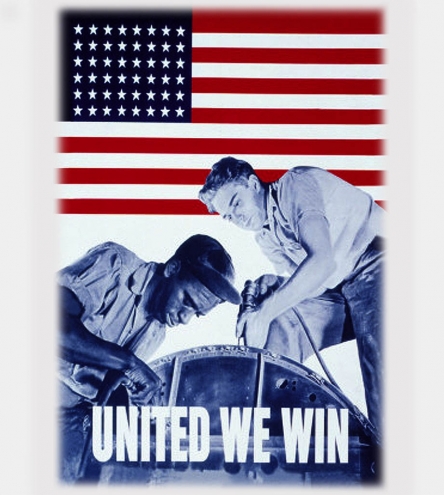
Although the Roosevelt administration believed that integrating the armed forces was far too risky a proposition during wartime, it did take one important step to insure that fair hiring practices were followed by all businesses that held defense contracts with the Federal government; during the summer of 1941, while American industry was still fulfilling its roll as the arsenal of democracy, a Federal law was passed that criminalized racist hiring practices. The attached editorial from Collier’s Magazine applauded the President for doing the right thing.


Read an anti-Gandhi article from 1921…

Hispanic Women in the WACs (Yank Magazine, 1945)
1945, WACs, Yank Magazine

Hispanic Women in the WACs
(Yank Magazine, 1945)

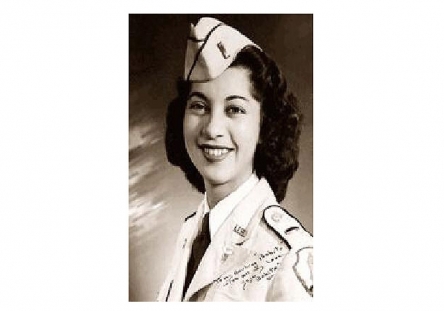
A group of women of Latin-American extraction took the Army oath before more than 6,000 persons in San Antonio’s Municipal Auditorium to become the second section of the Benito Juarez Air-WAC Squadron, named for the hero who helped liberate Mexico from European domination in 1862.

Led by an honor guard from the first Latin-American WAC squadron, the new war-women, marched into the auditorium to be sworn in and to hear words of greeting from Colonel Oveta Culp Hobby (1905 – 1995) and from Mrs. Dwight Eisenhower (1896 – 1979).


The first Hispanic WAC was Carmen Contreras-Bozak.


Click here to read about some of the Puerto Ricans who served with distinction during the war.


From Amazon:
Dressed for Duty: America’s Women in Uniform, 1898-1973style=border:none

Advertisement

Use shortcode [oma_ad position="summary_top"] (or other position) in your theme or widgets to display OMA Promotions here.

Scroll to Top