


Stage Magazine Articles
Film Daily Magazine Articles
The Film Spectator Magazine Articles
Men's Wear Magazine Articles
Hearst's Sunday American Articles
Scribner's Magazine Articles
The National Park Service Articles
Harper's Weekly Articles
Ken Magazine Articles
Life Magazine Articles
Confidential Magazine Articles
Punch Magazine Articles
PM Tabloid Articles
Direction Magazine Articles
Freedom's Triumph Articles
Pic Magazine Articles
Outlook Magazine Articles
The Saturday Evening Post Articles
Leslie's Magazine Articles
Current Literature Magazine Articles
Trench Warfare Articles
47 Magazine Articles
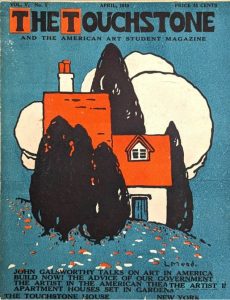
Touchstone Magazine Articles
Vogue Magazine Articles
The New York Times Articles
Vanity Fair Magazine Articles
Harper's Bazaar Magazine Articles
The American Legion Monthly Articles
Click Magazine Articles
La Baionnette Articles
The Atlantic Monthly Articles
G.I. Joe Magazine Articles
The North American Review Articles
Photoplay Magazine Articles
Liberty Magazine Articles
Creative Art Magazine Articles
Collier's Magazine Articles
Confederate Veteran Magazine Articles
Theatre Arts Magazine Articles
Rob Wagner's Script Magazine Articles
The Saturday Review Articles
Outing Magazine Articles
The Flapper Magazine Articles
People Today Magazine Articles
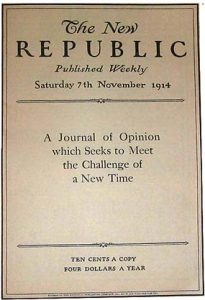
The New Republic Articles
Sea Power Magazine Articles
The Smart Set Articles
The American Legion Weekly Articles
Newsweek Articles
The Dial Magazine Articles

Entertainment

Learn about the history of W.W. I entertainers with these old magazine articles. Find information on W.W. I entertainment between 1914 – 1918.

‘Soldier Man Blues from Somewhere in France”
(Literary Digest, 1927)

This article is essentially a collection of lyrics from an assortment of songs sung by the Black Doughboys who were charged with the task of loading and unloading trucks far behind the front line trenches. It was written in 1927 to serve as a review for Singing Soldiersstyle=border:none by John J. Niles, who compiled the labor songs while stationed in France as a fighter pilot:


All dese colored soldiers comin’ over to France

All dese soldiers an’ me

Goin’ to help de Whites make de Kaiser dance

All dese soldiers an’ me…

THE BETTER ‘OLE On The London Stage
(Touchstone Magazine, 1918)

Before there was Sad Sack, there was Old Billstyle=border:none, Bert and Alf -the later three being the creation of World War One British cartoonist Bruce Bairnsfather (1888-1959; and the former was the brainchild of World War Two Army Sergeant George Baker, 1915 – 1975). Bairnsfather was the creator of a popular cartoon called Old Bill which was widely believed by the Tommies to accurately depict the hardships on the Western Front.
This illustrated article is a theater review of The Better ‘Ole; a funny, well received play written by the cartoonist and staged in London during the closing weeks of the war.

Advertisement

Use shortcode [oma_ad position="summary_top"] (or other position) in your theme or widgets to display OMA Promotions here.

The Popularity of War Movies
(Literary Digest, 1915)

Not surprisingly, special effects were an important box office draw during the Silent Era. This article reports on the popularity of war movies in 1915 and explains how some of the effects were created.

The First of Many Inaccurate War Movies Reviewed
(The Stars and Stripes, 1918)

The production of inaccurate war flicks with unlikely plots is a proud tradition that is alive and well in every film capitol around the globe and not likely to vanish any time soon. Today’s film critics seem to have a good deal more patience when reviewing the genre -as compared to the jaded, old ink-slinger who was charged with the task of summing up this silent film from 1918: On to Berlin.


The American-made war dramas must be giving the folks back home a swell idea of what The War isn’t like…William Fox is accused of producing On to Berlin

Elsie Janis Entertained the Doughboys
(American Legion Monthly, 1936)

The Americans who fought in the Second World War had Bob Hope to entertain them, and their fathers who fought in the First had Elsie Janis (1889 – 1956). Like Hope, Janis traveled close to the front lines and told the troops jokes, and sang them songs – making it clear all the while that her sympathies and affections for the Doughboys were strong – and they, in turn, loved her right back. In the attached 1936 reminiscence Janis recalls some of her experiences from the six months in which she entertained the American Army in France; she also speaks of her roll entertaining the volunteer American Army of the 1930s, as well.


Click here to read about the U.S.O. entertainers…

Advertisement

Use shortcode [oma_ad position="summary_top"] (or other position) in your theme or widgets to display OMA Promotions here.

Scroll to Top