









Ken Magazine Articles
G.I. Joe Magazine Articles
Scribner's Magazine Articles
47 Magazine Articles
Pic Magazine Articles
Touchstone Magazine Articles
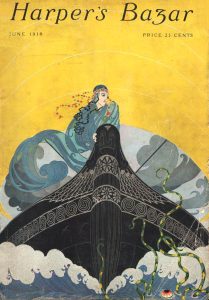
Harper's Bazaar Magazine Articles
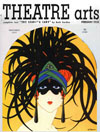
Theatre Arts Magazine Articles
La Baionnette Articles
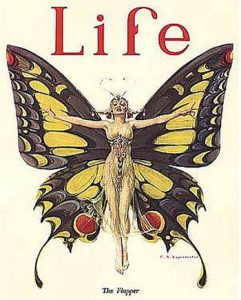
Life Magazine Articles
The National Park Service Articles
The Flapper Magazine Articles
Vanity Fair Magazine Articles
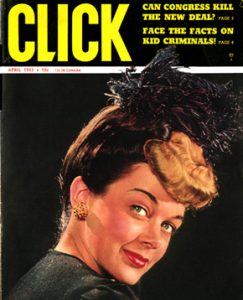
Click Magazine Articles
The Saturday Evening Post Articles
The Saturday Review Articles
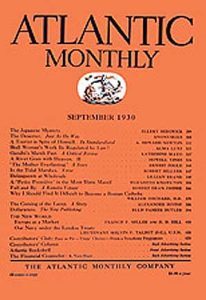
The Atlantic Monthly Articles
Outing Magazine Articles
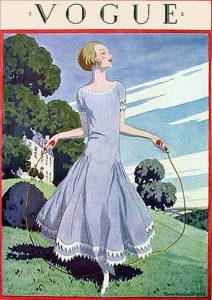
Vogue Magazine Articles
Punch Magazine Articles
Confederate Veteran Magazine Articles
Confidential Magazine Articles
The Film Spectator Magazine Articles
Men's Wear Magazine Articles
Sea Power Magazine Articles
The New York Times Articles
Freedom's Triumph Articles
The Dial Magazine Articles
People Today Magazine Articles
Current Literature Magazine Articles
PM Tabloid Articles
The New Republic Articles
Newsweek Articles
Film Daily Magazine Articles
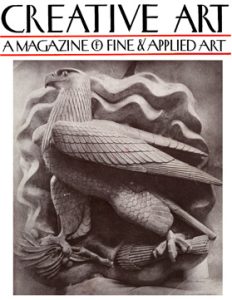
Creative Art Magazine Articles
Trench Warfare Articles
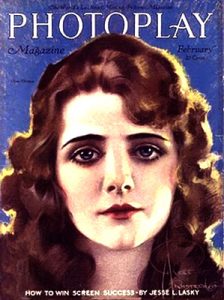
Photoplay Magazine Articles
The Smart Set Articles
Harper's Weekly Articles
Stage Magazine Articles
Direction Magazine Articles
Rob Wagner's Script Magazine Articles
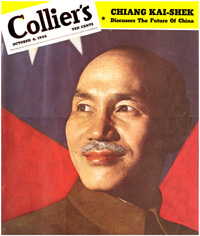
Collier's Magazine Articles
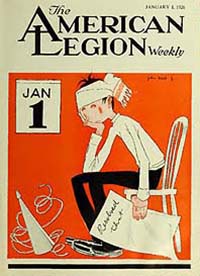
The American Legion Weekly Articles
Outlook Magazine Articles
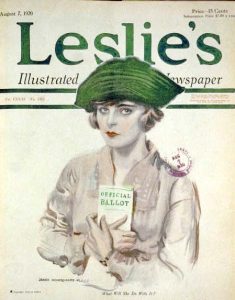
Leslie's Magazine Articles
The North American Review Articles
The American Legion Monthly Articles
Hearst's Sunday American Articles
Liberty Magazine Articles

Dada History

Dada in Germany
(Vanity Fair, 1922)

A segment from a longer article on the origins of Dada by the father of Dada. This column pertains specifically to how the movement took root in Germany as a result of the First World War.

Why Dada?
(The Century Magazine, 1922)

Why Dada? is a thoughtful essay by Sheldon Cheney (1886 – 1980), a Dada enthusiast and founder of the American monthly THEATRE ARTS MAGAZINE. This is a fine article which attempted to explain Dada to the American public and identified several American artists who subscribed to Dada principles.

…at last years exhibitions the Futurists and Cubists joined the academicians in denouncing the Dadaists as fakers, charlatans, and ignoramuses who know nothing of the laws of art and only wish to shock the public into considering them a sensation! And the Dadaists get unlimited joy out of the situation, but hold to the center of the stage…

Tristann Tzara on Dada
(Vanity Fair, 1922)

An essay by one of the founders of Dada, Tristan Tzara (Sami Rosenstock a.k.a. Samuel Rosenstock; 1896 – 1963), who eloquently explains the origins of the movement:

Dadaism is a characteristic symptom of the disordered modern world…

Advertisement

Use shortcode [oma_ad position="summary_top"] (or other position) in your theme or widgets to display OMA Promotions here.

Paris Dada and Jazz
(Vanity Fair Magazine, 1922)

VANITY FAIR’s Edmund Wilson (1895 – 1972), reported his view on Dada as it existed in Paris, the influence of Jazz and the art of Jean Cocteau (1889 – 1963). The article is subtitled:

The Influence of Jazz and Americanization of French Literature and Art

Dada at MOMA
(Literary Digest, 1936)

An amusing, if blasphemous, art review of the Museum of Modern Art’s 1936 Dada and Surrealism exhibit.
The journalist oddly credited Joan Miro as the author of the Dada movement.

The Marx Brothers of the art world are displayed, in all their unrestrained glory, in an exhibition of Fantastic Art in New York this week.

An exhibition of this type is always easy prey for the practical joker. A similar show in Paris several years ago exhibited a shovel, submitted by a well-known but discontented artist as an example of perfect symmetry.


Click here to read about the contempt that the Nazis had for Modern Art.

Francis Picabia
(Vanity Fair, 1915)

In 1915, the year before Dada was created, one of the movement’s followers, Francis Picabia (1879 – 1953), was spotted in New York City by the editors of VANITY FAIR who quickly put him through the works.

Advertisement

Use shortcode [oma_ad position="summary_top"] (or other position) in your theme or widgets to display OMA Promotions here.

Marcel Duchamp Returns to New York City
(Vanity Fair, 1915)

Exempted from serving with the French military in World War I, the artist Marcel Duchamp returned to New York City where he triumphed during the Armory Show of 1913 – together he and his two brothers, Raymond Duchamp-Villon and Jacques Villon, all showed their groundbreaking art. Marcel was the toast of New York and his modern painting, Nude Descending a Staircase was regarded as a masterwork.

In the attached VANITY FAIR article, Duchamp let’s it be known that he crossed the submarine-infested waters of the Atlantic to see American art.

Scroll to Top