





Punch Magazine Articles
Harper's Weekly Articles
La Baionnette Articles
Film Daily Magazine Articles
Photoplay Magazine Articles
Confederate Veteran Magazine Articles
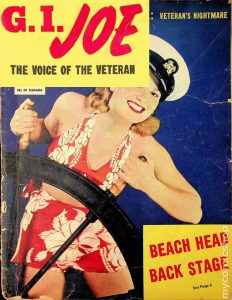
G.I. Joe Magazine Articles
The Smart Set Articles
Harper's Bazaar Magazine Articles
Trench Warfare Articles
Liberty Magazine Articles
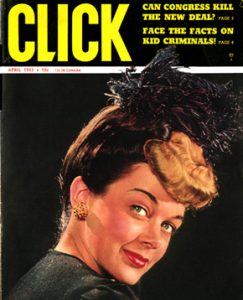
Click Magazine Articles
Pic Magazine Articles
The American Legion Weekly Articles
Newsweek Articles
People Today Magazine Articles
Leslie's Magazine Articles
Scribner's Magazine Articles
The Saturday Review Articles
The North American Review Articles
The National Park Service Articles
47 Magazine Articles
The Flapper Magazine Articles
Stage Magazine Articles
PM Tabloid Articles
Collier's Magazine Articles
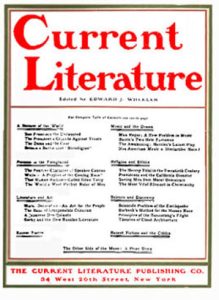
Current Literature Magazine Articles
Theatre Arts Magazine Articles
The Saturday Evening Post Articles
Vogue Magazine Articles
Touchstone Magazine Articles
Ken Magazine Articles
Direction Magazine Articles
Life Magazine Articles
Sea Power Magazine Articles
The Film Spectator Magazine Articles
The Atlantic Monthly Articles
The American Legion Monthly Articles
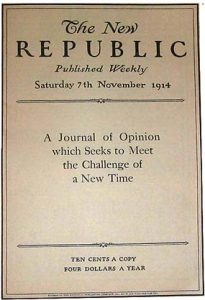
The New Republic Articles
Hearst's Sunday American Articles
Creative Art Magazine Articles
Freedom's Triumph Articles
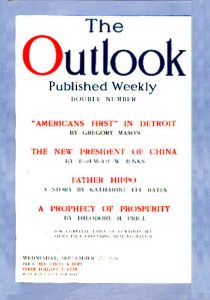
Outlook Magazine Articles
Rob Wagner's Script Magazine Articles
Confidential Magazine Articles
Outing Magazine Articles
The Dial Magazine Articles
Vanity Fair Magazine Articles
The New York Times Articles
Men's Wear Magazine Articles

African-American Service

The Segregated U.S. Army
(Coronet Magazine, 1960)

Here is a segment from a longer article that tells the sad story about racial segregation in the U.S. Armed Forces. The small portion that is attached here tells of a secret group of fifty army researchers who were dispatched to the European front and

interviewed thousands of [White] soldiers about their attitudes toward Negro platoons fighting experimentally within their divisions.

Their findings proved that to these front-line respondents, the experimental platoons were truly their equal. In 1948 this research was showed to President Truman, who signed Executive Order 9981, thus bringing to an end racial segregation within the ranks of the U.S. Military.

The U.S. Navy was the biggest offender

African-Americans in Hawaii
(Yank Magazine, 1943)

Colonel Chauncey Hooper was a World War I veteran; of African-American stock, he had served with the Harlem Hellfighters (the 369th Regiment, 93rd Division). When 1943 came along, he could be found as an army colonel in Hawaii, lording over a regiment of colored New Yorkers calling themselves Hooper’s Troopers. This article is by no means about Hooper as much as it concerns the high number of Harlem Jazz musicians who served under his command


Dorie Miller was an African-American hero during the Second World War, click here if you would like to read about him.

Advertisement

Use shortcode [oma_ad position="summary_top"] (or other position) in your theme or widgets to display OMA Promotions here.

African-Americans in the U.S. Army
(Yank Magazine, 1945)

Here are a few fast facts about the African-Americans who served in the U.S. Army during the Second World War (it should be noted that the record keeping in 1945 was not nearly as accurate as they had hoped; the number of Black servicemen and women was way off compared to what is known today. Pentagon figures today number W.W. II African-American service at 1.2 million).


Those councilors who advised FDR on all matters African-American were popularly known as the Black Brain Trust…

African-American Fighter Pilots
(Click Magazine, 1943)

A three page photo-essay found on the yellowing pages of a 1943 issue of Click Magazine introduced American readers to the flying Black Panthers of the U.S. Army Air Force; a fighter squadron composed entirely of African American pilots, trained at the new $2000,000 airfield in Tuskegee, Ala.. The four paragraphs that tell their story are accompanied by eight portraits of the pilots and snap-shots of the assorted ground crew, mechanics and orderlies – all Black.

They undoubtedly will reach a combat area this summer. One squadron, the 99th, has arrived overseas already. [These] pilots, whose insignia is a flame-spewing black panther, are rarin’ to join them. They want to roar a personal answer to the Axis ‘race superiority’ lies.

With The War Came New Opportunities
(United States News, 1942)

The government, endeavoring to meet the problem by raising the economic stature of the Negro, create committees, change regulations. The Army admits Negro candidates for officer training to the same schools as whites. It is training Negro pilots for the Air Corps. Negro officers will command Negro troops. The Navy opens new types of service for the Negro in the Marine Corps, the Coast Guard, inshore establishments, Navy yards and construction crews.

Advertisement

Use shortcode [oma_ad position="summary_top"] (or other position) in your theme or widgets to display OMA Promotions here.

Scroll to Top