













Punch Magazine Articles
The Smart Set Articles
47 Magazine Articles
Stage Magazine Articles
Freedom's Triumph Articles
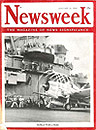
Newsweek Articles
Harper's Bazaar Magazine Articles
Confidential Magazine Articles
Rob Wagner's Script Magazine Articles
La Baionnette Articles
People Today Magazine Articles
The Film Spectator Magazine Articles
Direction Magazine Articles
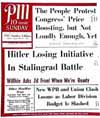
PM Tabloid Articles
The New York Times Articles
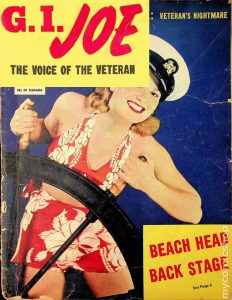
G.I. Joe Magazine Articles
The Flapper Magazine Articles
Creative Art Magazine Articles
Outing Magazine Articles
Liberty Magazine Articles
The American Legion Monthly Articles
The New Republic Articles
Outlook Magazine Articles
Scribner's Magazine Articles
Leslie's Magazine Articles
Vanity Fair Magazine Articles
Pic Magazine Articles
Current Literature Magazine Articles
The National Park Service Articles
Sea Power Magazine Articles
The Saturday Evening Post Articles
Trench Warfare Articles
The North American Review Articles
Photoplay Magazine Articles
Touchstone Magazine Articles
Click Magazine Articles
Vogue Magazine Articles
Collier's Magazine Articles
Ken Magazine Articles
Confederate Veteran Magazine Articles
Film Daily Magazine Articles
Life Magazine Articles
Men's Wear Magazine Articles
The Saturday Review Articles
The Atlantic Monthly Articles
Harper's Weekly Articles
Hearst's Sunday American Articles
Theatre Arts Magazine Articles
The Dial Magazine Articles
The American Legion Weekly Articles

Kamikaze Attacks

A Futile Defense Tactic
(PM Tabloid, 1945)

“The Japanese are making frenzied and costly attempts at Okinawa to stem our advance toward the home islands, but their efforts appear no more successful than they were in the Philippines and Iwo Jima.”

A New Kind of Fanaticism
(Newsweek Magazine, 1945)

“American troops on Okinawa thought they knew all there was to know about Jap fanaticism. But last week the Japs served it up with a new twist. The evening of May 24 started out like any other on the battle-torn island. The enemy sent its usual flight of Kamikaze suicide planes to strafe American airfields and dive into shipping offshore… At the height of the earsplitting air battle, the Japs played their trump card” – from the fuselage of a twin-engine bomber that had belly-landed on an American airfield, emerged Japanese infantry.

Kamikazes: The Naked Truth
(All Hands Magazine, 1946)

This unnamed journalist wished to discern fact from fiction as to what was expected from Kamikaze pilots. After spending almost an entire year in Occupied Tokyo, he read numerous reports on the topic, both military and civil. The PR blather fed to the Japanese public did state that a willing death was expected of them, but was surprised to find that many (not all) of the pilots were given parachutes (rarely used). His research revealed that the Kamikaze corps was hastily assembled and was composed of the lousiest pilots they could find.

Advertisement

Use shortcode [oma_ad position="summary_top"] (or other position) in your theme or widgets to display OMA Promotions here.

Their Kamikaze Defense
(Newsweek Magazine, 1945)

In a land where white is the color of mourning and black is the color of ceremony, where newspapers are read from right to left, this may have been a logical strategy. It was annunciated last week by the head of the Japanese government, Premiere Kantaro Suzuki… The upside-down Japanese mind could make the cost of conquest terribly expensive in American lives.

Kamikaze Attacks
(Yank Magazine, 1945)

A two page magazine article about the U.S. Navy destroyer Newcombe (DD-586), a hard-charging ship that suffered heavy damage from repeated Kamikaze attacks off of Okinawa on April 6, 1945 (the Ryukyu Islands):

Then the plane shot past them, ripped through the gun mount and shattered itself against the after-stack. There was a blinding flash. The Newcombe shuddered and rolled heavily to starboard.

An Interview with a Kamikaze Pilot
(Yank Magazine, 1945)

With the fall of imperial Japan, YANK correspondent Robert MacMillan was
one of the very first journalists to interview the Japanese Kamikaze pilot Norio Okamoto, which allowed his readers to gain some understanding as
to how the Kamikaze Corps operated:

Okomoto’s story took all the wind -the Divine Wind – out of the Kamikaze sails. Even the interpreter, a Japanese civilian, was surprised. He had worked for radio Tokyo and while he knew a lot of the propaganda stories were ridiculous, he had believed the Kamikaze legend.


Click here to read articles about post-war Japan.

Advertisement

Use shortcode [oma_ad position="summary_top"] (or other position) in your theme or widgets to display OMA Promotions here.

Scroll to Top