





Hearst's Sunday American Articles
Vanity Fair Magazine Articles
Punch Magazine Articles
Theatre Arts Magazine Articles
The Saturday Evening Post Articles
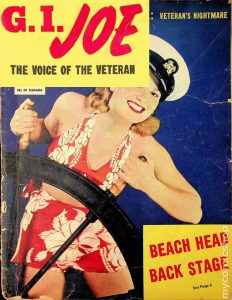
G.I. Joe Magazine Articles
Confidential Magazine Articles
PM Tabloid Articles
Direction Magazine Articles
Outing Magazine Articles
The American Legion Monthly Articles
Stage Magazine Articles
La Baionnette Articles
The Flapper Magazine Articles
The Atlantic Monthly Articles
Current Literature Magazine Articles
The New York Times Articles
The Smart Set Articles
Harper's Weekly Articles
Collier's Magazine Articles
The Saturday Review Articles
Life Magazine Articles
Film Daily Magazine Articles
Liberty Magazine Articles
Scribner's Magazine Articles
Outlook Magazine Articles
Click Magazine Articles
Sea Power Magazine Articles
Trench Warfare Articles
Touchstone Magazine Articles
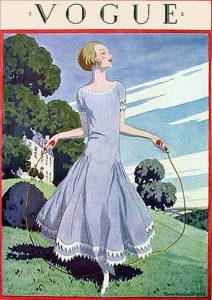
Vogue Magazine Articles
The New Republic Articles
The North American Review Articles
Newsweek Articles
Leslie's Magazine Articles
47 Magazine Articles
Freedom's Triumph Articles
Rob Wagner's Script Magazine Articles
The Dial Magazine Articles
Harper's Bazaar Magazine Articles
Pic Magazine Articles
The National Park Service Articles
The American Legion Weekly Articles
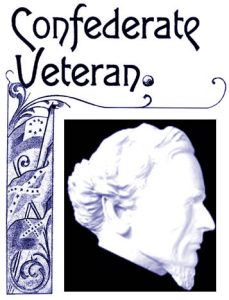
Confederate Veteran Magazine Articles
People Today Magazine Articles
Ken Magazine Articles
Photoplay Magazine Articles
Creative Art Magazine Articles
The Film Spectator Magazine Articles
Men's Wear Magazine Articles

Cartoons

Anticipating the Distasteful Ending
(The Masses, 1914)

Although not known as a clairvoyant, this 1914 cartoon by the New York artist John Sloan (1871 – 1951) seemed to predict the lousy ending that would play out four years after W.W. I reached its bloody climax.

Crown Prince Wilhelm Cartoon
(Life Magazine, 1919)

Attached is a caroon created in response to the memoir of Crown Prince Wilhelm (1882-1951), which came out earlier that same year (the review is posted on this site), this cartoon was drawn by Gluyas Williamsstyle=border:none (1888-1982) a cartoonist who is largely remembered by current generations for his contributions to THE NEW YORKER as well as his illustrations for a series of books by humorist Robert Benchley. In 1910, Williams served as Editor of ‘The Harvard Lampoon’ and upon graduation a year later began a brilliant freelance career as a cartoonist for ‘The Century Magazine’, ‘Collier’s’ and ‘Judge’ among others.

Click here to read about the woman who entertained the U.S. troops during the First World War.

Manhattan Servant Problems
(Vanity Fair, 1918)

The attached cartoon depicted one of the unintended consequences of German aggression during the First World War: the creation of what was known as the servant problem. It should be understood that the difficulty in question caused no particular hardship for those who were supposed to be the servants; they were simply delighted to vacate the collective domiciles of Mr. & Mrs. Got-Rocks in order to pull down a living wage in a nice, cozy smoke-spewing armament factory some place – leaving their former employers to fix their own meals and diaper junior.


Click here to read about the New York fashions of 1916.

Advertisement

Use shortcode [oma_ad position="summary_top"] (or other position) in your theme or widgets to display OMA Promotions here.

Scroll to Top