Author name: editor

Oh Boy! Two-Way Video Chatting (Literary Digest, 1927)
1927, Early Television, The Literary Digest

Oh Boy! Two-Way Video Chatting
(Literary Digest, 1927)

The attached jazz-age magazine article is about the creation of what we have come to call video communication; that is to say, the electronic compliance between telephone and video screen working in complete harmony in order that both participants can view one another during the conversation – and although one-sided, this did take place as early as 1927 when future President Herbert Hoover, in Washington, addressed an audience in New York (they were not viewed by the former).

Advertisement

Use shortcode [oma_ad position="summary_top"] (or other position) in your theme or widgets to display OMA Promotions here.

Changes Added to the College Football Rulebook (Quick Magazine, 1949)
1949, Football History, Quick Magazine

Changes Added to the College Football Rulebook
(Quick Magazine, 1949)

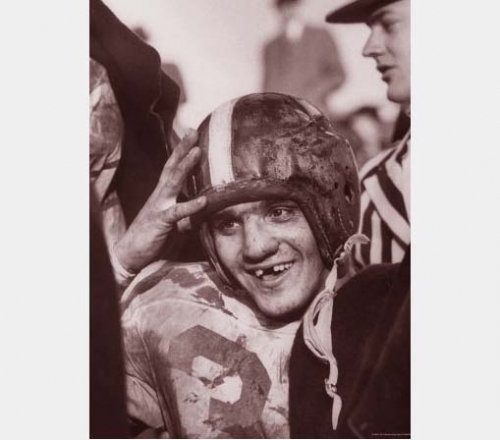
For all you football scholars out there, we offer a small article concerning one of the biggest events from the 1949 world of college football which involved the numerous changes that the college football Rules Committee put into play as the season began. The unnamed journalist concentrated on the five most important that involved the legitimacy of forward passes, fumbles and laterals.

Advertisement

Use shortcode [oma_ad position="summary_top"] (or other position) in your theme or widgets to display OMA Promotions here.

Jascha Heifetz' First New York Recital (Vanity Fair, 1918)
1918, Music History, Vanity Fair Hall of Fame

Jascha Heifetz’ First New York Recital
(Vanity Fair, 1918)

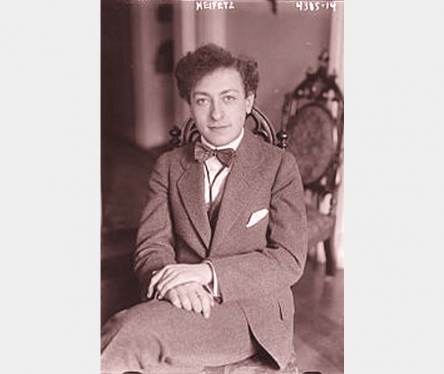
Here is an enthusiastic review of Jascha Heifetz’ (1900 – 1987) first Carnegie Hall performance. The journalist relays how fully loaded the concert hall seemed to be with the finest violinists in the Western world all sitting in rapt attention; and how joyously they all applauded following his first number:

Here, mark you, were the masters of the guild giving an ovation to a slim, eighteen year-old boy and acknowledging him as one of the master violinists of the world.

Advertisement

Use shortcode [oma_ad position="summary_top"] (or other position) in your theme or widgets to display OMA Promotions here.

Advertisement

Use shortcode [oma_ad position="summary_top"] (or other position) in your theme or widgets to display OMA Promotions here.

Panmunjom Armistice 1953 | Korean War Peace Agreement Panmunjom Armistice 1953
1953, Newsweek, The Korean War

Peace At Last
(Newsweek, Quick Magazine, 1953)

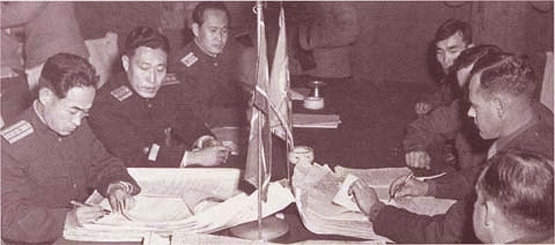
While the fighting raged on the central front the negotiators at Panmunjom rapidly approached an agreement on armistice terms. The July 19th (1953) agreement was reached on all points by both sides. The next day liaison and staff officers began the task of drawing up the boundaries of the demilitarized zone… At 1100 hours on July 27, Lieutenant General William K Harrison, Jr., the senior United Nations delegate to the armistice negotiations, signed the armistice papers. At the same time the senior enemy delegate, General Nam Il, placed his signature on the documents.

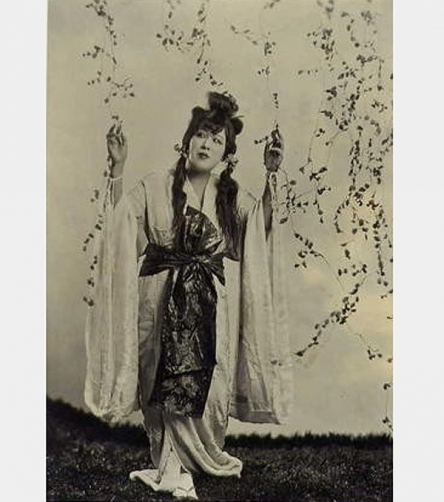
Soprano Dorothy Kirsten (Click Magazine, 1943)
1943, Click Magazine, Music History

Soprano Dorothy Kirsten
(Click Magazine, 1943)

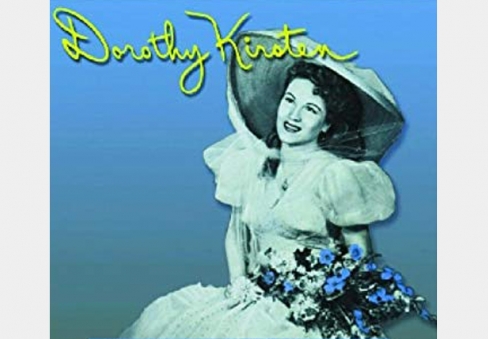
Illustrated with a black and white photograph of the 33 year-old soprano was this small notice announcing the discovery of Dorthy Kirsten (1910 – 1992) of Montclair, New Jersey. Kirsten went on to great heights, performing with the Metropolitan Opera for the next thirty years, she would also enjoy some popularity singing duets on the radio with Frank Sinatra, Bing Crosby, Nelson Eddy, and Perry Como.

Advertisement

Use shortcode [oma_ad position="summary_top"] (or other position) in your theme or widgets to display OMA Promotions here.

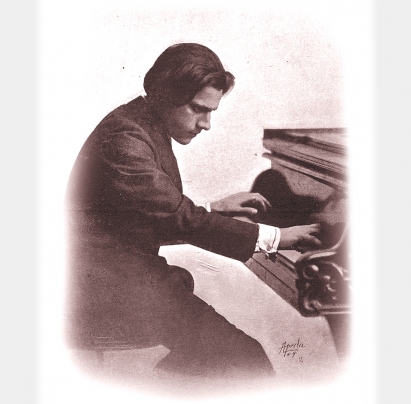
Composer Leo Ornstein (Vanity Fair, 1920)
1920, Music History, Vanity Fair Hall of Fame

Composer Leo Ornstein
(Vanity Fair, 1920)

A profile of Futurist composer Leo Ornstein (1893 – 2002). Ornstein appeared on the New York music scene at a very young age; hailed as a genius by many, he performed to packed houses. In 1917, music critic James Huneker(1860-1921) remarked:

I never thought I should live to hear Arnold Schoenberg sound tame, yet tame he sounds—almost timid and halting—after Ornstein who is, most emphatically, the only true-blue, genuine, Futurist composer alive.


Leo Ornstein left the public eye by 1925 and was soon forgotten until the 1970s. This Vanity Fair article was written by James L. Buchanan, who had written a number of pieces on Ornstein and his music throughout his career.

Advertisement

Use shortcode [oma_ad position="summary_top"] (or other position) in your theme or widgets to display OMA Promotions here.

Scroll to Top