






Pic Magazine Articles
Life Magazine Articles
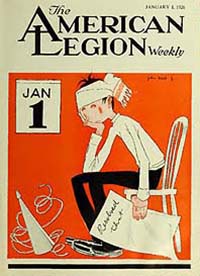
The American Legion Weekly Articles
Direction Magazine Articles
Liberty Magazine Articles
Trench Warfare Articles
The National Park Service Articles
Vanity Fair Magazine Articles
Photoplay Magazine Articles
Harper's Bazaar Magazine Articles
Ken Magazine Articles
Outlook Magazine Articles
The Atlantic Monthly Articles
Theatre Arts Magazine Articles
Sea Power Magazine Articles
The Smart Set Articles
The Flapper Magazine Articles
The Saturday Review Articles
PM Tabloid Articles
The Dial Magazine Articles
Rob Wagner's Script Magazine Articles
Vogue Magazine Articles
The Film Spectator Magazine Articles
Current Literature Magazine Articles
The North American Review Articles
Freedom's Triumph Articles
Hearst's Sunday American Articles
Stage Magazine Articles
Outing Magazine Articles
Confederate Veteran Magazine Articles
People Today Magazine Articles
Scribner's Magazine Articles
G.I. Joe Magazine Articles
Click Magazine Articles
Men's Wear Magazine Articles
Harper's Weekly Articles
La Baionnette Articles
Leslie's Magazine Articles
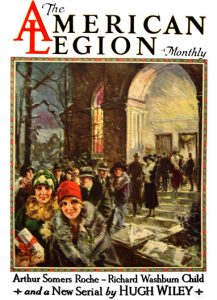
The American Legion Monthly Articles
The New Republic Articles
47 Magazine Articles
Film Daily Magazine Articles
The Saturday Evening Post Articles
Collier's Magazine Articles
Touchstone Magazine Articles
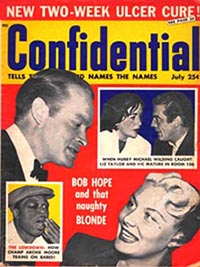
Confidential Magazine Articles
Punch Magazine Articles
Creative Art Magazine Articles
Newsweek Articles
The New York Times Articles

U.S. Army Uniforms of World War One

A Puttee Advertisement
(Stars and Stripes, 1918)

The canvas leggings worn by the A.E.F. (as ordered in the American Army Uniform Regulations of 1912) were simply dandy for duties on the dry prairies of the United States, but soon proved impractical in the damp and rainy climate of France and Belgium. Shortly after their arrival in France the U.S. Army replaced their leggings with the wool puttees worn by their European Allies. In May of 1919 they were adopted for use by the entire Army.

Indian Moccasins Authorized
(The Stars and Stripes, 1919)

It is little remembered in our day that the Native Americans who served in the American Expeditionary Forces along the Western Front were permitted to wear moccasins in place of the regulation Pershing boot. Ethnic pandering is not a term that should come to mind; this was a high complement paid by their commanding officers for a well-respected prowess in battle. The following is a small portion from a larger article which is posted on The Native American page of this website; the entire article can be read following the link that reads A Talent for Sniping.

Advertisement

Use shortcode [oma_ad position="summary_top"] (or other position) in your theme or widgets to display OMA Promotions here.

An Underwear Advertisement
(Stars and Stripes, 1918)

The attached ad makes it quite clear that the American Army was not without its innovators: the Germans may have introduced poison gas, the British may have introduced the tank but it was the Americans who added Chamois Leather Underwear to the arsenal of industrial warfare.

American Officer’s Musette Bag
(Advertisement, 1917)

The attached magazine illustration is from an ad for a commercially produced musette bag for American officers during World War One.


American Army officers, like the men in their ranks, had no particular need to ever bother with a musette (we have learned that a musette is a small French wind instrument, not unlike a bag-pipe). The bag pictured here was intended for personal effects that would be needed while on the march: stationery,toiletries, housewives).

Due to the French prowess involving all matters military during the Eighteenth and Nineteenth Centuries, the English language is lousey with French military terms, many of which are very much in use today.

Advertisement

Use shortcode [oma_ad position="summary_top"] (or other position) in your theme or widgets to display OMA Promotions here.

The Doughboy Helmet: the Press Release
(Stars and Stripes, 1918)

Unlike those Poilu who rushed manfully to the recruiting stations in 1914 expecting some sartorial glory in the form of a shiny cavalry breast plate or stylish bright red pantaloons, only to find that the constraints of modern warfare would only provide him with a filthy rat-infested trench and a poor-man’s concept of a camouflage uniform (light-blue wool); the American Doughboy at least had some time to figure out that he would not be as nicely turned out as his uncle was during the Spanish-American War.

This odd notice was printed on the front page of The Stars and Stripes while most of the A.E.F. was still in training. The word was out by this time that the Campaign Hats they were issued back home were out -and so to counter the gripes, the army printed this balderdash to put a ‘nice spin’ on the tin potstyle=border:none.

It’s not a helmetstyle=border:none — it’s a Steel Stetson!

To read more about the old campaign hats of the A.E.F. click here.

Changing the Uniforms to Fit the Climate
(The Stars and Stripes, 1918)

A short notice printed in May of 1918 which intended to let the Doughboys know that the U.S. Army Quartermaster Corps was well aware that changes needed to be made in the American uniform in response to the damp French climate.

The additional uniform items never went into production in light of the fact that the war ended six months later.

Advertisement

Use shortcode [oma_ad position="summary_top"] (or other position) in your theme or widgets to display OMA Promotions here.

The Red Chevrons
(The Stars and Stripes, 1919)

Two paragraphs from THE STARS AND STRIPES explained the legal status extended to all those demobilized Doughboys who wore the highly coveted discharge chevron. The red wool chevron was worn (point down) on the left arm.

The Recycling of Doughboy Uniforms
(Stars and Stripes, 1918)

In 1918 the U.S. Army Service of Supply instituted a salvaging unit near the French city of Tours which employed hundreds of French women and a number of idle Sammies in order to eradicate Army waste. It was there that the millions of discarded uniform elements were re-fashioned into other useful items:

At Tours they evolved a hospital slipper with a sole made from a torn and discarded campaign hat and an upper of O.D cloth cut from anywhere. It was such a good slipper, and easy to make that St. Pierre-des-Corps soon reached quantity production on it.

A Puttee Advertisement
(The American Legion Weekly, 1919)

This advertisement was placed in an American veteran’s magazine as an attempt to produce some profit from the vast surplus of uniform items that remained in all the combatant nations at war’s end. Puttees, unlike other uniform items, enjoyed a brief moment in fashion’s spotlight during the late teens and much the twenties as an accessory for those who enjoyed camping and hunting (or simply wished to affect the look).

Also included is a fashion photograph of puttees from a VANITY FAIR fashion editorial from 1917

Advertisement

Use shortcode [oma_ad position="summary_top"] (or other position) in your theme or widgets to display OMA Promotions here.

The Evolution of the U.S. Army Web Belt
(Outing Magazine, 1918)

The attached article, How Our Soldiers Carry Their Ammunition, was originally published in a 1918 sporting magazine and gives an account as to how one uniform element unique to the U.S. and British military establishments came into prominence during the earliest years of the Twentieth Century. Written by Paul A Curtis, Jr., the essay describes the difficulties inherit with leather belting, the British need for an alternate material in order to maintain colonial regiments in India and the father of the American web belt, General Anson Mills (1834 – 1924).


When the Doughboys complained, they complained heavily about their uniforms; read about it here.

Silver Chevrons for the States
(Stars and Stripes, 1919)

Let it be made known here and now, that if a W.W. I American uniform collector finds a Doughboy uniform baring silver chevrons on the left cuff, they designate that the former owner had served performed his war service in the United States (gold designates service abroad).

The Fifth Avenue Soldier
(Advertisement, 1918)

The haberdashers of the Franklin Simon Company of Fifth Avenue, New York City, simply must not have been reading the many news reports regarding the horrors of industrial warfare. Indeed, their concept of coping with such carnage involved offering such sale items as silk handkerchiefs, cashmere socks and a dashing bathrobe for tooling around the barracks.

Click here to see what Brooks Brothers was selling During World War One.

Advertisement

Use shortcode [oma_ad position="summary_top"] (or other position) in your theme or widgets to display OMA Promotions here.

The Well-Born Officer
(Vanity Fair, 1918)

For it’s October issue, the editors of VANITY FAIR magazine stepped up to the plate and did their bit with this splendid review of all the finest uniform apparel that New York City offered it’s silk stocking officers. The article is nicely illustrated with photographs of a double-breasted mackinaw coat, two officer blouses (one of a wool-silk blend), a classic silk knit service tie as well as a very fine trench boot.


New From Amazon: Doughboys on the Great War:
How American Soldiers Viewed Their Military Experience
style=border:none

Puttees In–Leggings Out
(The Stars and Stripes, 1919)

Shortly after training in France began it was discovered that the leggings of the American Army were no match for the moisture of the French countryside and so puttees were issued for the whole A.E.F. – the attached notice ordered the entire U.S. Army to wear them in place of canvas leggings.

Advertisement

Use shortcode [oma_ad position="summary_top"] (or other position) in your theme or widgets to display OMA Promotions here.

Scroll to Top