




La Baionnette Articles
The Saturday Evening Post Articles
Pic Magazine Articles
Harper's Weekly Articles
PM Tabloid Articles
The American Legion Monthly Articles
The New Republic Articles
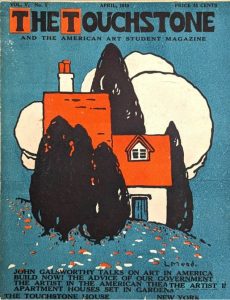
Touchstone Magazine Articles
Life Magazine Articles
Photoplay Magazine Articles
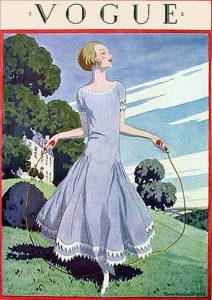
Vogue Magazine Articles
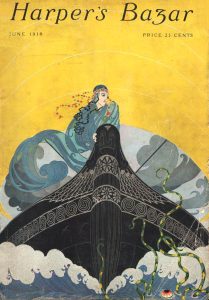
Harper's Bazaar Magazine Articles
Trench Warfare Articles
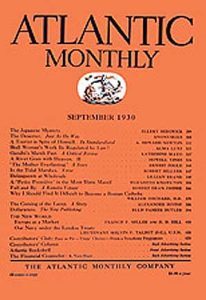
The Atlantic Monthly Articles
Vanity Fair Magazine Articles
Film Daily Magazine Articles
Current Literature Magazine Articles
The Smart Set Articles
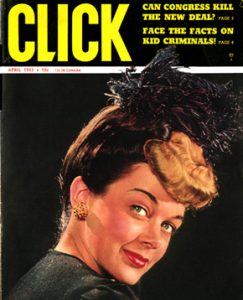
Click Magazine Articles
47 Magazine Articles
Punch Magazine Articles
Outing Magazine Articles
Outlook Magazine Articles
The North American Review Articles
The Dial Magazine Articles
Newsweek Articles
Ken Magazine Articles
Liberty Magazine Articles
Stage Magazine Articles
People Today Magazine Articles
Confidential Magazine Articles
The National Park Service Articles
The Saturday Review Articles
G.I. Joe Magazine Articles
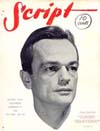
Rob Wagner's Script Magazine Articles
Direction Magazine Articles
Sea Power Magazine Articles
Scribner's Magazine Articles
Men's Wear Magazine Articles
The Flapper Magazine Articles
Theatre Arts Magazine Articles
The American Legion Weekly Articles
Leslie's Magazine Articles
Confederate Veteran Magazine Articles
Collier's Magazine Articles
Hearst's Sunday American Articles
The Film Spectator Magazine Articles
Freedom's Triumph Articles
Creative Art Magazine Articles
The New York Times Articles

Japanese-American Service

Violence Directed at Veterans
(PM Tabloid, 1945)

The White Crackers residing in California cared little about the triumphs of the 442: during the Spring of 1945, two honorably discharged Japanese Americans were fired upon by passing cars – the racists were never caught. Secretary of War Henry Stimson labeled the attacks as “an inexcusable and dastardly outrage.”

Private Yori Wada, United States Army
(Script Magazine, 1942)

The attached article was written by a twenty-five year-old Japanese-American Army private named Yori Wada (1917 – 1997). Wada had joined the army some months prior to the Pearl Harbor attack and with all the good fellowship and optimism typical of youth, he explained with some enthusiasm, about how much he enjoyed army life and all the friends he had made within his unit. While the article makes no reference to the unfortunate lot of his family back home, Wada wrote that his future in the army as of April, 1942 was unclear; all he wanted was a fair shot to defend his country, and he didn’t think that he’d get it.

Advertisement

Use shortcode [oma_ad position="summary_top"] (or other position) in your theme or widgets to display OMA Promotions here.

‘They, Too, Have Fought and Died”
(Maptalk, 1945)

You’re damn right those Nisei boys have a place in the American heart, now and forever. And I say soldiers ought to form a pickaxe club to protect the Japanese-Americans who fought the war with us. Any time we see a barfly commando picking on those kids or discriminating against them, we ought to bang them over the head with a pickaxe. I’m willing to be a charter member.


General Joseph W. Stillwell


Read the letters of American soldiers and Marines who recognized
the injustice that was done to the Japanese-Americans…

Nesei Homecoming
(Yank, 1945)

Who knows, perhaps the author of Bad Day at Black Rockstyle=border:none, Howard Breslin, had read this striking bit of fiction from YANK MAGAZINE and felt such a deep sense of social injustice that it inspired him to write his novel about anti-Isei mob violence. Either way, this very moving, two column piece is a fictional account about the pathetic homecoming experienced by a member of the Nesei packed 442nd Regimental Combat Team.

It was written by YANK MAGAZINE’s Len Zinberg (1911-1968; a.k.a. Ed Lacy, a.k.a. Steve April); by that time, Zinberg was already an experienced writer with impressive credits and the magazine was lucky to have him. His writings at YANK helped to open the door at THE NEW YORKER, where much of his work was to be seen following the end of hostilities.

‘Loyal Japanese Fight for the U.S.A.”
(Click Magazine, 1943)

This photo essay from CLICK MAGAZINE consists of six black and white images illustrating the Nisei officers and GIs toiling under the merciless sun at Camp Shelby, Mississippi prior to being shipped out for combat duty in Italy. The accompanying paragraph sums up quite nicely their devotion to the United States, declaring that for these Japanese-Americans, democracy outweighs blood ties, yet says not a word about the internment camps.


CLICK HERE to read about the beautiful Blonde Battalions who spied for the Nazis…

Advertisement

Use shortcode [oma_ad position="summary_top"] (or other position) in your theme or widgets to display OMA Promotions here.

Scroll to Top