





47 Magazine Articles
Click Magazine Articles
Collier's Magazine Articles
Confederate Veteran Magazine Articles
Confidential Magazine Articles
Creative Art Magazine Articles
Current Literature Magazine Articles
Direction Magazine Articles
Film Daily Magazine Articles
Freedom's Triumph Articles
G.I. Joe Magazine Articles
Harper's Bazaar Magazine Articles
Harper's Weekly Articles
Hearst's Sunday American Articles
Ken Magazine Articles
La Baionnette Articles
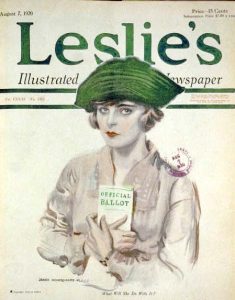
Leslie's Magazine Articles
Liberty Magazine Articles
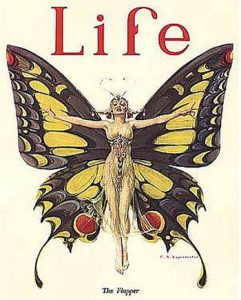
Life Magazine Articles
Men's Wear Magazine Articles
Newsweek Articles
Outing Magazine Articles
Outlook Magazine Articles
People Today Magazine Articles
Photoplay Magazine Articles
Pic Magazine Articles
PM Tabloid Articles
Punch Magazine Articles
Rob Wagner's Script Magazine Articles
Scribner's Magazine Articles
Sea Power Magazine Articles
Stage Magazine Articles
The American Legion Monthly Articles
The American Legion Weekly Articles
The Atlantic Monthly Articles
The Dial Magazine Articles
The Film Spectator Magazine Articles
The Flapper Magazine Articles
The National Park Service Articles
The New Republic Articles
The New York Times Articles
The North American Review Articles
The Saturday Evening Post Articles
The Saturday Review Articles
The Smart Set Articles
Theatre Arts Magazine Articles
Touchstone Magazine Articles
Trench Warfare Articles
Vanity Fair Magazine Articles
Vogue Magazine Articles

Writing

All Quiet on the Western Front

• Saturday Review of Literature, 1929 •


H. Seidel Canby (1878 – 1961) was one of the founding editors of The Saturday of Literature
and in this article he put pen to paper and presented his readers with a concise summation of what he liked to call “the five phases” of war literature. Canby sensed that since 1919 there had been five unique types of war books, all produced by veterans, and that Erich Maria Remarque’s (1898 – 1970) All Quiet on the Western Front was typical of the fifth variety that was appearing in 1929:

“The balance hangs true in Remarque. Pacifism is a theory, militarism is a theory, war is a necessity – not in its causes, for who really hates the enemy! – but for this doomed generation it is a fact. War for these men is normal, which does not mean that they like it.”


Click here to read a 1930 article about the movie, All Quiet on the Western Front.

Read All Quiet on the Western Front<br>(Saturday Review of Literature, 1929) for Free
Erich Maria Remarque ONLINEErich Maria Remarque PRIMARY SOURCEErich Maria Remarque CRITICISMAll Quiet on the Western Front Book Review 1929CRITICISM all quiet on the western frontSaturday Review of Literature Criticism All Quiet on the Western FrontHenry Seidel Canby 1929Henry Seidel Canby NEWSPAPER Article 1929All Quiet on the Western Front ONLINE

All Quiet on the Western Front

All Quiet on the Western Front

All Quiet on the Western Front

All Quiet on the Western Front

All Quiet on the Western Front

Erich Maria Remarque ONLINEErich Maria Remarque PRIMARY SOURCEErich Maria Remarque CRITICISMAll Quiet on the Western Front Book Review 1929CRITICISM all quiet on the western frontSaturday Review of Literature Criticism All Quiet on the Western FrontHenry Seidel Canby 1929Henry Seidel Canby NEWSPAPER Article 1929All Quiet on the Western Front ONLINE
Scroll to Top