


47 Magazine Articles
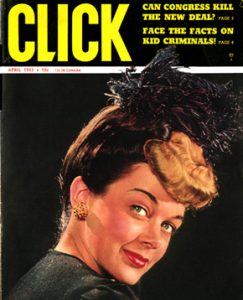
Click Magazine Articles
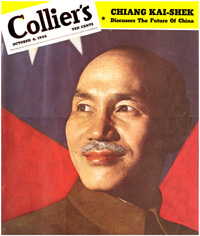
Collier's Magazine Articles
Confederate Veteran Magazine Articles
Confidential Magazine Articles
Creative Art Magazine Articles
Current Literature Magazine Articles
Direction Magazine Articles
Film Daily Magazine Articles
Freedom's Triumph Articles
G.I. Joe Magazine Articles
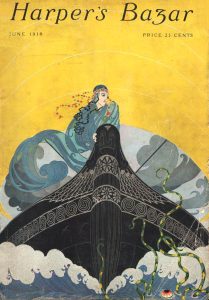
Harper's Bazaar Magazine Articles
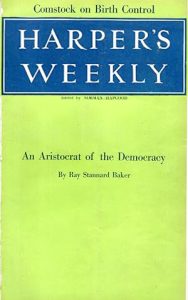
Harper's Weekly Articles
Hearst's Sunday American Articles
Ken Magazine Articles
La Baionnette Articles
Leslie's Magazine Articles
Liberty Magazine Articles
Life Magazine Articles
Men's Wear Magazine Articles
Newsweek Articles
Outing Magazine Articles
Outlook Magazine Articles
People Today Magazine Articles
Photoplay Magazine Articles
Pic Magazine Articles
PM Tabloid Articles
Punch Magazine Articles
Rob Wagner's Script Magazine Articles
Scribner's Magazine Articles
Sea Power Magazine Articles
Stage Magazine Articles
The American Legion Monthly Articles
The American Legion Weekly Articles
The Atlantic Monthly Articles
The Dial Magazine Articles
The Film Spectator Magazine Articles
The Flapper Magazine Articles
The National Park Service Articles
The New Republic Articles
The New York Times Articles
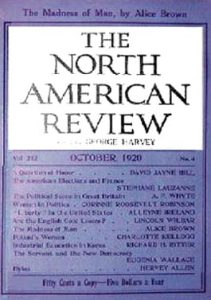
The North American Review Articles
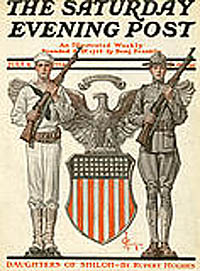
The Saturday Evening Post Articles
The Saturday Review Articles
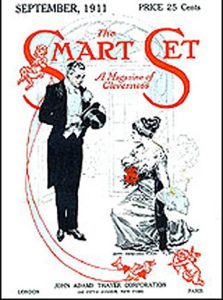
The Smart Set Articles
Theatre Arts Magazine Articles
Touchstone Magazine Articles
Trench Warfare Articles
Vanity Fair Magazine Articles
Vogue Magazine Articles

Twentieth Century Writers

Carl Sandburg's Lincoln

• 48 Magazine •


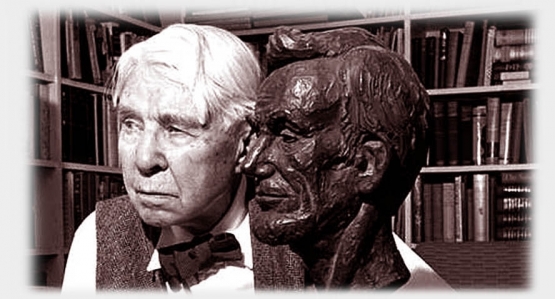
Anthologist Louis Untermeyer (1885 – 1977) exalts American poet Carl Sandburg (1878 – 1967) for the impassioned biography of Abraham Lincoln. Untermeyer, respected anthologist in the republic of letters, was a great admirer of the poet and goes to some length pointing out how Sandburg’s life experiences made him the ideal candidate to write the six volume biography:

“A great rhapsodize, like his predecessor Walt Whitman, Carl Sandburg has freely ranged the country for the subject of his poetry. He has celebrated the native scene in practically all its phases, from windy shouting of the metropolis to the silence of the fog which moves over the city ‘on little cat feet; from violent jazz fantasies, in which the drums, traps, banjos, and horns cry ‘like the racing car slipping away from a motorcycle-cop’ to delicate and hushed nocturnes in a deserted brickyard.”

“The very fact that he is a poet, and a peculiarly American poet, has contributed incalculably to his ability to catch the spirit of the great Civil War President.”


From Amazon:

Read Carl Sandburg at 70<br>(’48 Magazine) for Free

Carl Sandburg's Lincoln

Carl Sandburg's Lincoln

Carl Sandburg's Lincoln

Carl Sandburg's Lincoln

Carl Sandburg's Lincoln

Carl Sandburg's Lincoln

Scroll to Top