Author name: editor

Chaplains in the Confederate Army During The Civil War | CSA Chaplains 1861-1865 | Confederate Chaplain James Hugh McNeilly
1918, Civil War History, Confederate Veteran Magazine

The Confederate Chaplains
(Confederate Veteran Magazine

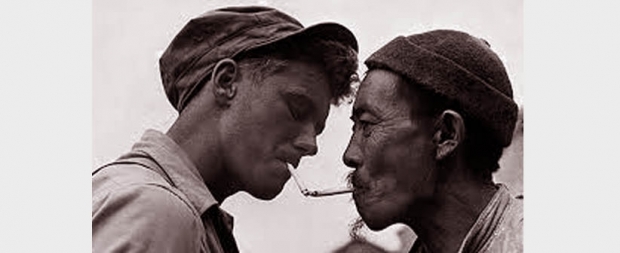
A chaplain’s proper place in the Confederate Army was well defined in theory at least, but in fact each of us was a law unto himself and stayed wherever he liked. He belonged to the medical staff. But the medical staff in a campaign is divided… The regulation spot was with the surgeons.


Click here to read about the chaplaincy within the American military during World War II.

Advertisement

Use shortcode [oma_ad position="summary_top"] (or other position) in your theme or widgets to display OMA Promotions here.

The Cold War and Public Opinion ('47 Magazine, 1947)
1947, 47 Magazine, The Cold War

The Cold War and Public Opinion
(’47 Magazine, 1947)

This article was written by Gallup Poll Editor William Lydgate who compared various opinion surveys that were taken shortly after the close of W.W. II with the ones that were created just one year later.


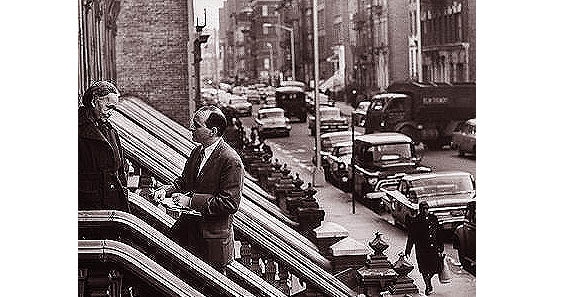
The 1945 poll revealed that the American public generally looked forward to friendly relations with the Soviet Union, shared remarkably high hopes for world peace and believed deeply that the United Nations would be responsible for the creation of a better world. However, the 1946 poll measured an enormous drop in this sunny disposition.
The John Powers Modeling Agency (Coronet Magazine, 1941)
1940s Modeling, 1941, Coronet Magazine

The John Powers Modeling Agency
(Coronet Magazine, 1941)

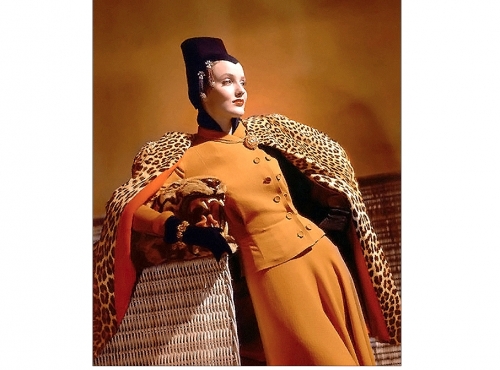
They sip your favorite coffee, drive your dream car, display the latest fashions, show you how to cook a waffle: they are potent forces in the scheme of American advertising. Their faces and figures adorn the covers of countless magazines…often they develop into stars of the cinema. They come from all over America to an office on Park Avenue, New York, where a quiet, discerning man named John Robert Powers appraises their charms and schools them for the job of selling sables to society or groceries to the great American housewife.


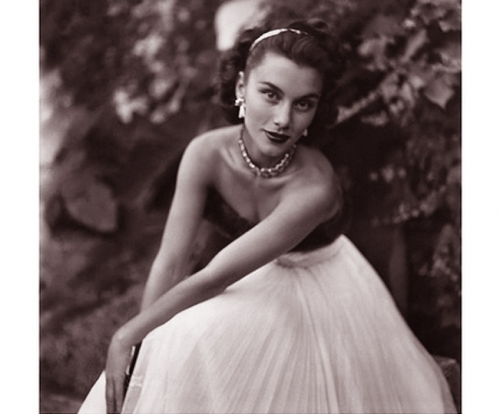
Beginning in the mid-Twenties and spanning the years leading up to the late Forties, John Robert Powers (1892 – 1977) created and maintained the first modeling agency in New York City (if not the world) and during the Forties, the Powers Agency grossed over five million dollars a year. Attached are nine photos of the most popular fashion models he represented in 1941; a unique breed of woman known at the time as Powers girls.

Advertisement

Use shortcode [oma_ad position="summary_top"] (or other position) in your theme or widgets to display OMA Promotions here.

Mariano Fortuny and his Knossos Scarf (Vogue Magazine, 1912)
1912, Fashion, Vogue Magazine

Mariano Fortuny and his Knossos Scarf
(Vogue Magazine, 1912)

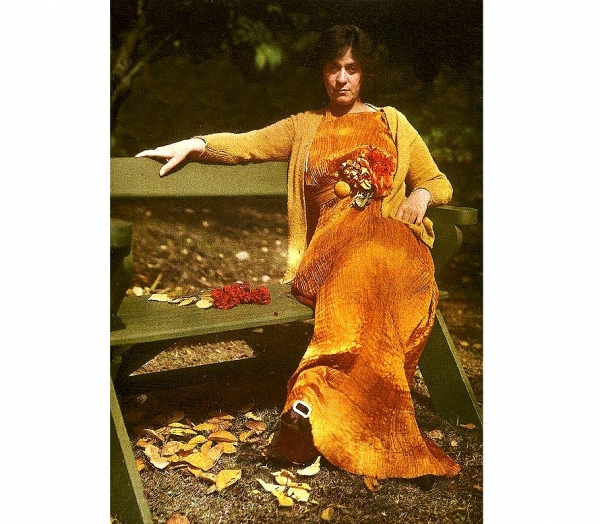
Marguerite O’Kane, a genuine enthusiast of the Arts and Crafts Movement, enjoyed the unique distinction of writing the first review for American VOGUE covering the work of Mariano Fortuny (Mariano Fortuny y Madrazo: 1871 – 1949). Although celebrated in Europe since making his first gown in 1906, the Knossos Scarf, a long sheer silk rectangle inspired by the costumes of ancient Crete, he was unknown to most fashion-minded Americans until this article appeared during the closing weeks of 1912.


Iconic fashion designer Yves Saint Laurent began his meteoric career as a very young man; click here to read about him.

Advertisement

Use shortcode [oma_ad position="summary_top"] (or other position) in your theme or widgets to display OMA Promotions here.

Adapting Hebrew for the Modern Age (Coronet Magazine, 1960)
1960, Coronet Magazine, Jews in the 20th Century

Adapting Hebrew for the Modern Age
(Coronet Magazine, 1960)

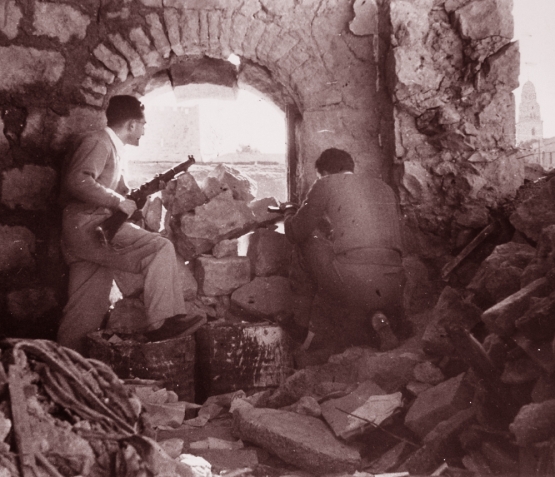
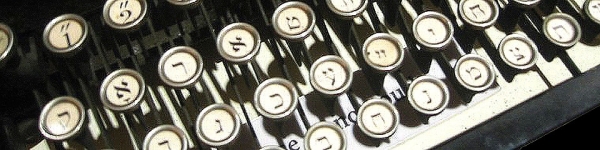
A fascinating read about how the previously embalmed language of Hebrew had been dusted off and born anew for the modern era. Hebrew in 1948 (the year that the U.N. recognized Israel as a nation) was largely seen as an inaccessible tongue known only to scholars – had existed for the past 4,000 years with a scant 8,000 words: this would now change as the language was permitted to live and grow once more. Today it is believed that Hebrew has between 60,000 and 150,000 words and that there are as many as 9 million people who speak the language worldwide.

The Oscars: Hollywoods Self-Adoration Fest (Stage Magazine, 1938)
1938, Hollywood History, Stage Magazine

The Oscars: Hollywoods Self-Adoration Fest
(Stage Magazine, 1938)

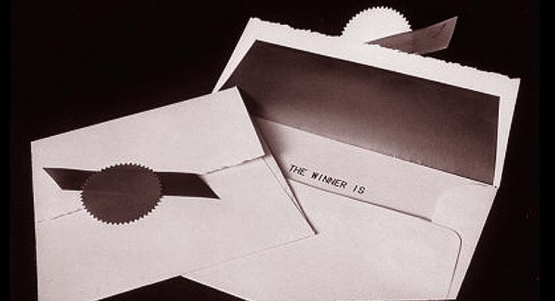
A tongue-in-cheek magazine article from 1938 about The Academy of Motion Picture Arts and Sciences and their annual gala devoted to over-confidence, The Oscars. Written eleven years after the very first Academy Award ceremony, and published in a magazine that catered to New York theater lovers, the article was penned by an unidentified correspondent who was not very impressed by the whole affair but managed to present a thorough history of the award nonetheless.


Director Frank Capra was awarded his third trophy at the 1938 Oscars…

Advertisement

Use shortcode [oma_ad position="summary_top"] (or other position) in your theme or widgets to display OMA Promotions here.

Oscars for 1938 (Pathfinder Magazine, 1939)
1939, Hollywood History, Pathfinder Magazine

Oscars for 1938
(Pathfinder Magazine, 1939)

Attached is short report listing some of the highlights of the 11th Academy Awards ceremony that was held on February 23, 1939 in downtown Los Angeles:


• Director Frank Capra received his third Best Director statue for You Can’t Take It with You
.
• Walt Disney was awarded an Oscar for the best animated short film, Ferdinand The Bull – in addition to a special award for his innovative work on
Snow White and the Seven Dwarfs.


• The Best Screenplay Oscar went to Irish playwright George Bernard Shaw for his efforts on Pygmalion.


An amusing, if blasphemous, article about the 1938 Oscars can be read here…

Lucille Ball Gets Noticed (Pic Magazine, 1940)
1940, Hollywood History, Pic Magazine

Lucille Ball Gets Noticed
(Pic Magazine, 1940)

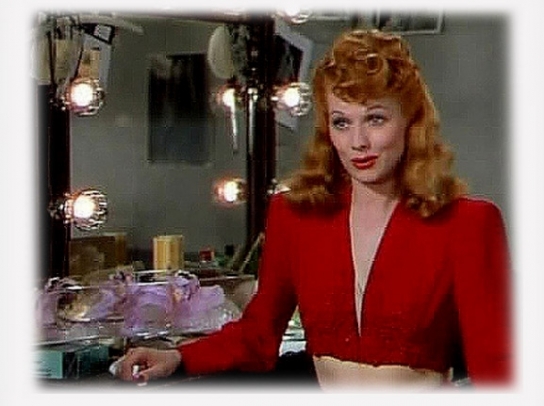
Among all the many lovelies who resided in the Hollywood of 1940, the wide-awake editors of PIC MAGAZINE singled-out Lucille Ball (1911 – 1989) as the one to watch:

Barring accidents, Lucille Ball tomorrow will occupy the spot now disputed by Carol Lombard, Joan Crawford and Ginger Rogers – as First Lady of Hollywood. Lucille deserves to get it and she has what it takes to get there. The red-headed ex-chorus girl has talent, ability looks, personality and willingness to take every punishment on her way up.


You can click here to read about I Love Lucy here

Advertisement

Use shortcode [oma_ad position="summary_top"] (or other position) in your theme or widgets to display OMA Promotions here.

1952, Early Television, The American Magazine

The Cuban and the Redhead
(The American Magazine, 1952)

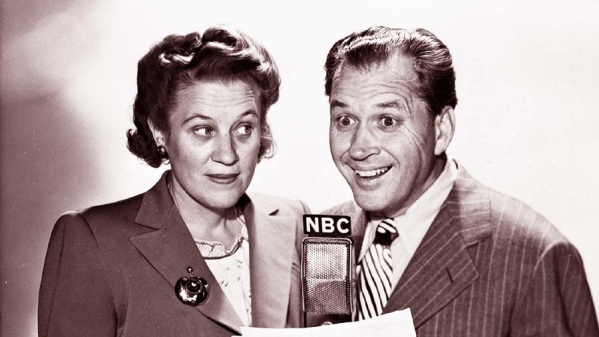
We didn’t become addicts of I Love Lucy deliberately; it was a habit that engulfed our whole family gradually. the captivating thing about Lucy and Ricky is, we think, the fact that they hold a mirror up to every married couple in America. Not a regulation mirror that reflects truth, nor a magic mirror that portrays fantasy. But a Coney Island mirror that distorts, exaggerates and makes vastly amusing every little incident, foible and idiosyncrasy of married life.

WWII Atomic Bomb Research | WWII Atomic Bomb Production
1945, Atomic Bombs, Yank Magazine

How The Atomic Bomb Was Developed
(Yank, 1945)

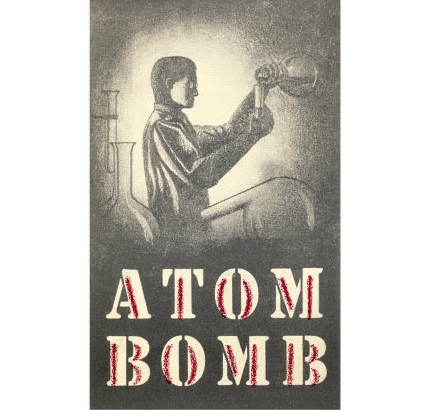
The story behind the atomic bomb is a detective story with no Sherlock Holmes for a hero. The number of scientists who took part in the search was without parallel…The dramatic story begins with Dr. Lise Meitner (1878 – 1968), a woman scientist and director of the Kaiser Wilhelm Institute in Berlin. In 1938 Dr. Meitner is bombarding uranium atoms with neutrons and then submitting the uranium to chemical analysis. To her amazement…


style=border:none

Hiroshima Two Years Later (Collier's Magazine, 1947)
1947, Atomic Bombs, Collier's Magazine

Hiroshima Two Years Later
(Collier’s Magazine, 1947)

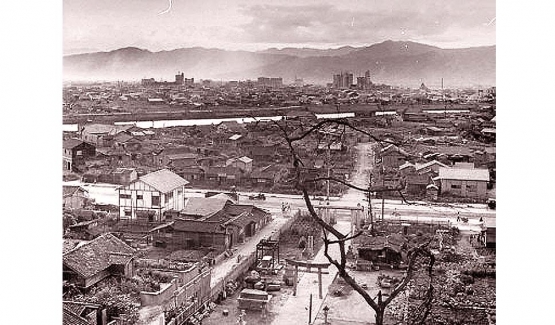
The Collier’s article attached herein, The Atom Bomb’s Invisible Offspring does not simply track the radioactive illnesses and contamination generated as a result of the bombings at Hiroshima and Nagasaki, but also discusses the nuclear testings at Bikini and Alamogordo, New Mexico. Attention is paid to how the devastated people as well as all the assorted flora and fauna in the targeted regions.

Advertisement

Use shortcode [oma_ad position="summary_top"] (or other position) in your theme or widgets to display OMA Promotions here.

Scroll to Top