Author name: editor

1930 Popularity of Prohibition Repeal | Dudley Cammet Lunt Editorial Column |
1930, Repeal, Scribner's Magazine

‘The Rising Tide of Prohibition Repeal
(Scribner’s Magazine, 1930)

Having suffered the scourge of the noble experiment for over ten years, Dudley Cammet Lunt, an attorney, penned this essay about how the states could be done with that Federal edict:

In discussing Article V in The Federalist Papers [Alexander Hamilton] said: ‘We may safely rely on the disposition of the State legislatures to erect barriers against the encroachments of the national authority.’

America After Prohibition 1933 - 1937 | Prohibition Aftermath
1937, Repeal, The Literary Digest

Repeal + Four Years
(Literary Digest, 1937)

With the [Prohibition] Repeal, approximately one million people went back to work, making wine, beer and distilled spirits, bottles and barrels; transporting, selling and serving and advertising it. Innumerable industries indirectly connected with liquor, such as printing, building and machinery-making, received a sharp stimulus. With Repeal also, sorely needed tax money started to roll into the public coffers. Since 1933 more than two billion dollars in liquor taxes has gone into national, state and local treasuries…

N.Y. Artists Discover Loft-Living (Pageant Magazine, 1960)
1960, Old New York History, Pageant Magazine

N.Y. Artists Discover Loft-Living
(Pageant Magazine, 1960)

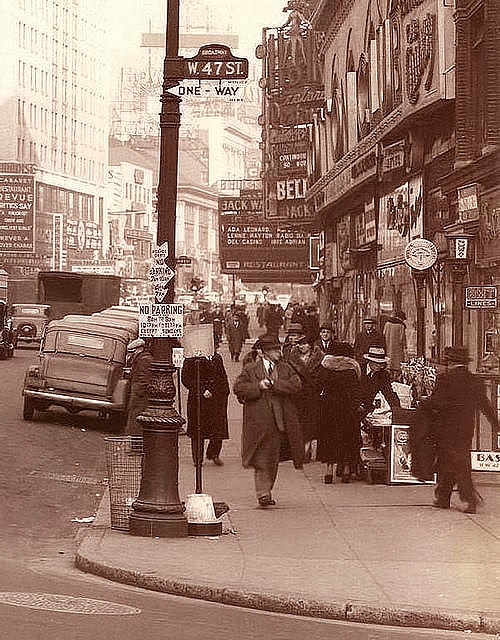
A new day dawned in Manhattan real estate history at the end of 1961 when the city elders agreed to abandon their bureaucratic jihad (a fire code issue) to evict artists from all those assorted run-down ateliers located around lower Broadway.


These were the upper floors of hundreds of old downtown business and manufacturing buildings (most over a century old) that were characterized by their heavy masonry proliferating with faux loggias, balustrades, entablatures and rows of delicately fluted columns – all scattered throughout Tribeca, SoHo and Chelsea. The artists called them Lofts.


As far as we can figure out, this was the first time in history that anybody seemed to care where an artist lived and worked.

Advertisement

Use shortcode [oma_ad position="summary_top"] (or other position) in your theme or widgets to display OMA Promotions here.

The Japanese Surrender Proceedings (Yank Magazine, 1945)
1945, VJ Day, Yank Magazine

The Japanese Surrender Proceedings
(Yank Magazine, 1945)

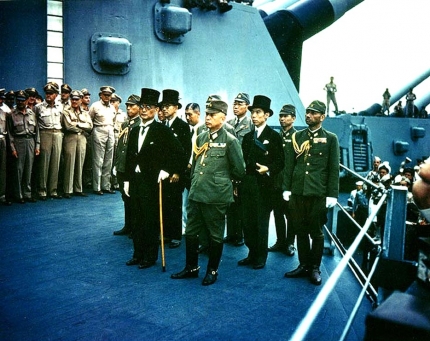
“We are gathered here, representatives of the major warring powers, to conclude a solemn agreement whereby peace may be restored.”[P]Those were the words of General Douglas MacArthur when he opened the Japanese Surrender Proceedings on board the deck of the American battleship, U.S.S. Missouri on the morning of September 2, 1945.
KKK Traditions | Quaint Traditions and customs and methods of the ku klux klan literary digest magazine 1922
1922, Ku Klux Klan, The Literary Digest

Klan Methods and Customs
(Literary Digest, 1922)

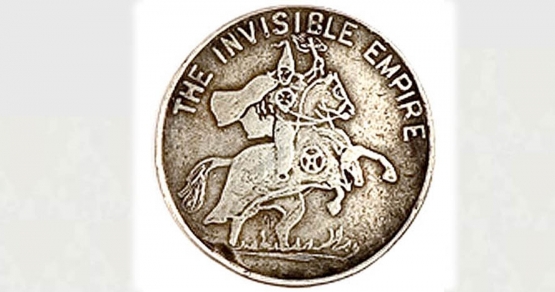
This article reported on the alarming growth and surprising appeal that the KKK was attaining in 1922. The unnamed journalist described numerous incidences that clearly reflected the Klan’s open contempt for law throughout the country- concluding that the Klan was beyond redemption. The article revealed that the newspaper editors who lived and worked in those regions where the Klan was most active had greater contempt for them than we otherwise might have been lead to believe.

Advertisement

Use shortcode [oma_ad position="summary_top"] (or other position) in your theme or widgets to display OMA Promotions here.

Victor Serge Anti-Stalin Writings | Cruelty of Soviet Secret Police 1937 | Soviet Dissident Book 1937
1937, Soviet History, The Literary Digest

The Police State
(Literary Digest, 1937)

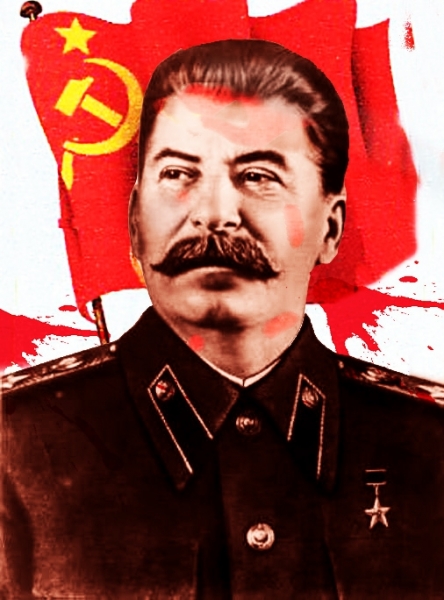
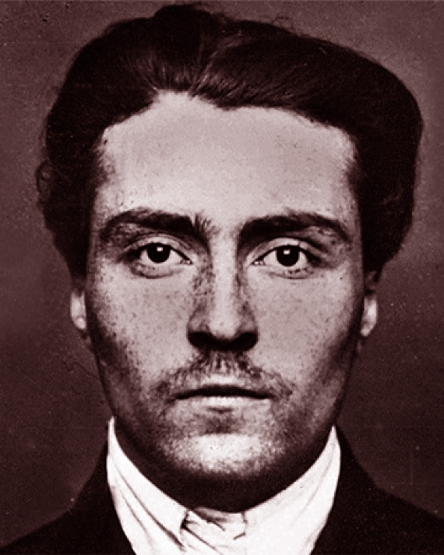
Victor Serge (1890 – 1947) was a devoted Bolshevik writer who was highly critical of Joseph Stalin; he spent five years in the gulag for his subversive activity and would have no doubt died there had not an international mishmash of humanitarians raised a stink about his incarceration. He was exiled from the Marxist-dream-land in 1936 – the attached column is an extract from his gulag writings concerning the cruelties of Stalin’s secret police.

Advertisement

Use shortcode [oma_ad position="summary_top"] (or other position) in your theme or widgets to display OMA Promotions here.

Christian Radio Broadcasting Begins in Earnest (Current Opinion, 1925)
1925, Current Opinion Magazine, Radio History

Christian Radio Broadcasting Begins in Earnest
(Current Opinion, 1925)

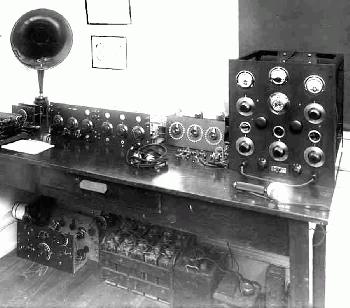
Believing that vast numbers of broadcast-clergy can only damage the credibility of the church in the long-run, this article was written which concerned the personal quest of one observant Christian who wished to see that the amount Christian programming be reduced. The author pointed out that by 1925

One out of every fourteen broadcasting stations in the United States is today owned and operated by a church or under a church’s direction…


Click here to read about the Christian broadcasts of Oral Roberts…

'My Two Years In The Red Army'' (American Magazine, 1953)
1953, The American Magazine, The Cold War

‘My Two Years In The Red Army”
(American Magazine, 1953)

Is the average soldier in the USSR eager for war with the United States? Here’s the inside story of Russian morale and military spirit, revealed by the first Soviest fighting man to escape his Communist masters and become an American GI.
“Every day my American GI friends throw questions at me. They try to find out what compelled me to leave the reputed Soviet paradise…”

Fidel Castro Magazine Article 1960 | Why We Fight by Fidel Castro Coronet Magazine November 1958
1958, Coronet Magazine, Cuba

PR from the Jungles of Cuba…
(Coronet Magazine, 1958)

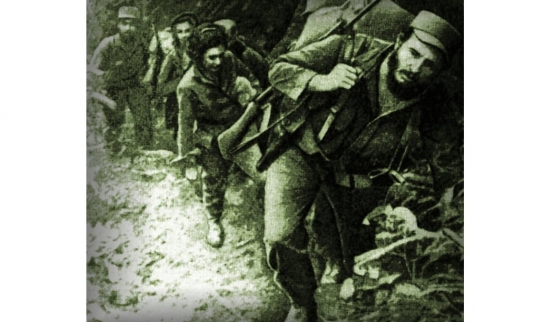
The last thing the aspiring Communist dictator Fidel Castro needed in the Fall of 1958 was to have the dreaded Yanquees breathing down his neck; and so to buy some time, he penned this seven page article for the easily-bamboozled editors of Coronet magazine and packed it full of hooey, with lines like:
A million unemployed bespeaks a terrible economic sickness which must be cured… lest it fester into communism. It was this article, among other deceptions, that made President Eisenhower believe that the new government of Cuba was deserving of diplomatic recognition in February of 1959. Less than two years later the Kennedy administration severed ties with the Cuban regime and shortly after launched an ill-fated attack on the island kleptocracy.

Advertisement

Use shortcode [oma_ad position="summary_top"] (or other position) in your theme or widgets to display OMA Promotions here.

Who was Kilroy? (Various Sources, 1945 -7)
1945, World War Two

Who was Kilroy?
(Various Sources, 1945 -7)

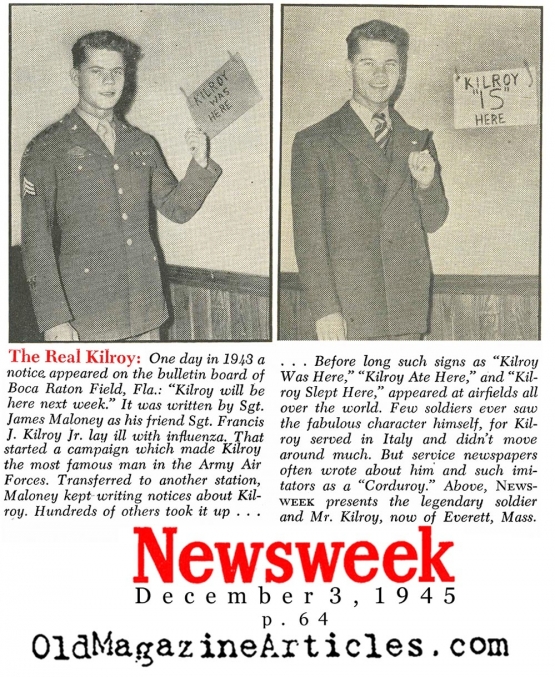
The three articles attached herein serve as good examples that illustrate the wide-spread curiosity found in most quarters of the United States as to who was this G.I. who kept writing KILROY WAS HERE on so many walls, both foreign and domestic, during the past three and a half years of war? It was not simply the returning veterans who felt a need to know, but the folks who had toiled on the home front as well.


Is your name Anderson?

Futurist Architect Mario Chiatonne | Italian Futurist Architects
1919, Current Opinion Magazine, Design

Designs of the Italian Futurists
(Current Opinion Magazine, 1919)

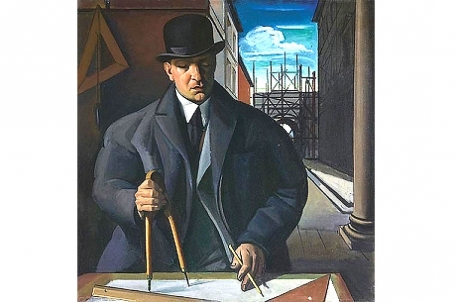
Already the young architects of Italy are looking forward to a new renaissance of building, toward the production of a new style based upon modern methods of building and adapted to modern needs. The impulse to this new movement came from the brilliant Futurist Antonio Sant’Elia, who carried the ideas of the Italian innovators into the field of architecture, but whose development was cut short by his heroic death in the war… Nevertheless, his influence upon the younger architects has been great. Fortunately, they have been able to adapt his ideas to the exigencies of practical building, and in some instances to avoid a complete severing with the traditions of the past.

Advertisement

Use shortcode [oma_ad position="summary_top"] (or other position) in your theme or widgets to display OMA Promotions here.

The Forgotten Men and the NRA (Literary Digest, 1935)
1935, National Recovery Administration, The Literary Digest

The Forgotten Men and the NRA
(Literary Digest, 1935)

A long program of suggested remedial legislation lies ahead of the 7,500 representatives of the people who gather this year in the halls of Congress and of all but four State Legislatures. The NRA (National Recovery Administration) will come under the closest scrutiny. As the old year waned, the NIRA (National Industrial Recovery Act)was being attacked and defended.

Click here to see a chart concerning the U.S. urban murder rate between the years 1926 – 1936.


In 1934, the NRA went to Hollywood and performed a task it was not legally obligated to do; click here to read about it…

A Cartoonist Slams FDR (Click Magazine, 1939)
1939, Click Magazine, F.D.R.

A Cartoonist Slams FDR
(Click Magazine, 1939)

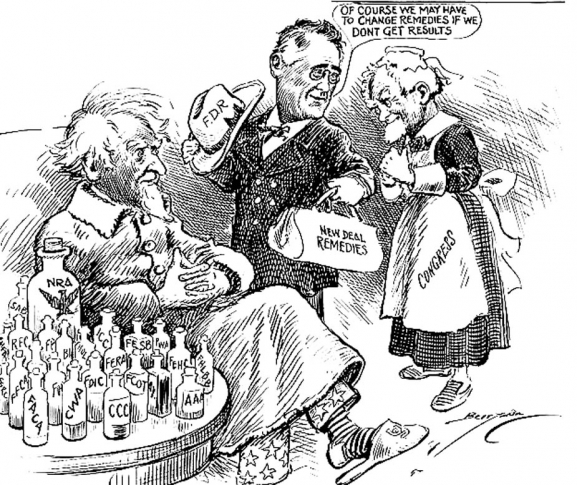
Rube Goldberg (1883 – 1970), one of the iconic, Grand Master ink slingers from days of yore, applied his signature thought pattern to presidential politics in the creation of the attached FDR cartoon. Unlike President Roosevelt, Goldberg recognized that the New Deal was naive in their belief they could create and fund numerous government agencies that bedevil small businesses, reduce productivity, and fix prices while expecting the whole time that the national economy would bloom as a result.

Nazi Kangaroo Courts in Allied POW Camps | Vaterlandverrater 1944 |
1944, Newsweek, POWs

Nazi Justice On American Soil
(Newsweek Magazine, 1944)

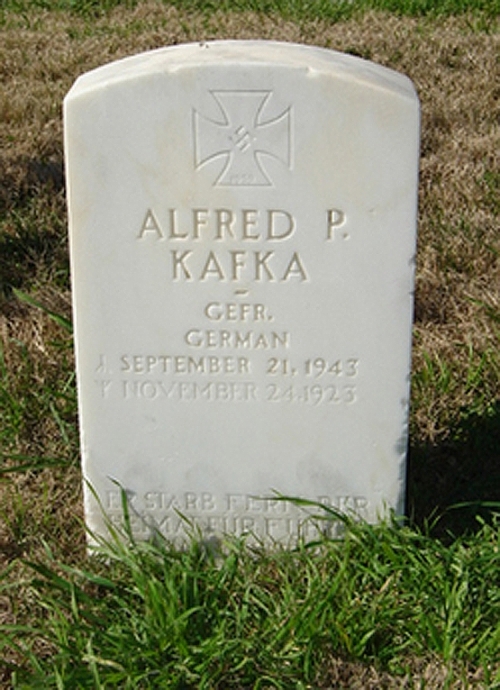
Here was the first report on the kangaroo courts that were held at frequent intervals in the American POW camps that housed captured German soldiers and sailors. It seems that it was a common practice to level the charge of treason on one of the inmates, put him in the docket where, just like the courts at home, he would fail to present an adequate defense and soon find himself condemned to death by his fellows. Beaten to death by his former compatriots, the corpse would then be presented to the American camp authorities who would see to the burial.


Click here to read about the actual event…

Advertisement

Use shortcode [oma_ad position="summary_top"] (or other position) in your theme or widgets to display OMA Promotions here.

Scroll to Top