



47 Magazine Articles
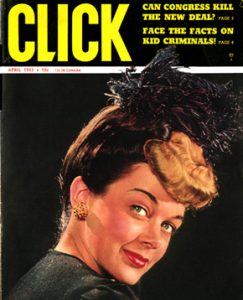
Click Magazine Articles
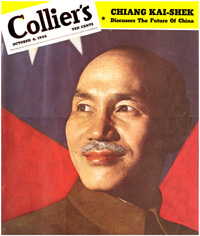
Collier's Magazine Articles
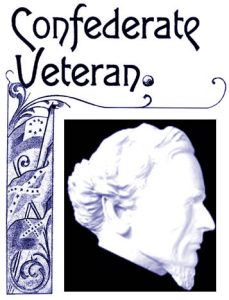
Confederate Veteran Magazine Articles
Confidential Magazine Articles
Creative Art Magazine Articles
Current Literature Magazine Articles
Direction Magazine Articles
Film Daily Magazine Articles
Freedom's Triumph Articles
Harper's Bazaar Magazine Articles
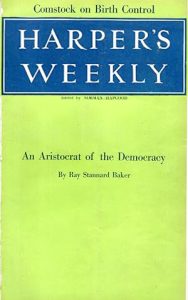
Harper's Weekly Articles
Hearst's Sunday American Articles
Ken Magazine Articles
La Baionnette Articles
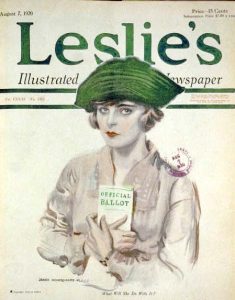
Leslie's Magazine Articles
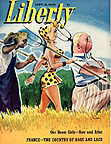
Liberty Magazine Articles
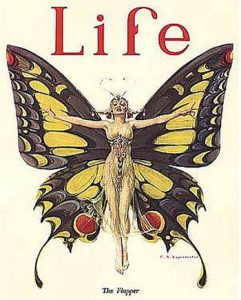
Life Magazine Articles
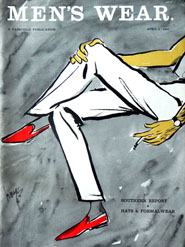
Men's Wear Magazine Articles
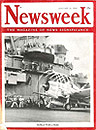
Newsweek Articles
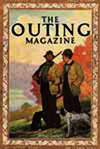
Outing Magazine Articles
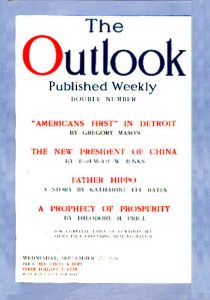
Outlook Magazine Articles
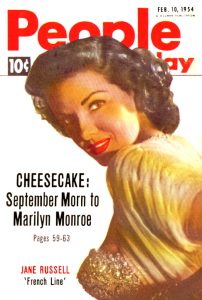
People Today Magazine Articles
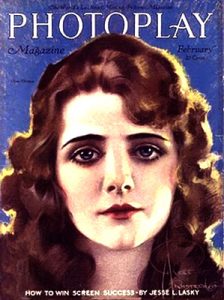
Photoplay Magazine Articles
Pic Magazine Articles
PM Tabloid Articles
Punch Magazine Articles
Rob Wagner's Script Magazine Articles
Scribner's Magazine Articles
Sea Power Magazine Articles
Stage Magazine Articles
The American Legion Monthly Articles
The American Legion Weekly Articles
The Atlantic Monthly Articles
The Dial Magazine Articles
The Film Spectator Magazine Articles
The Flapper Magazine Articles
The National Park Service Articles
The New Republic Articles
The New York Times Articles
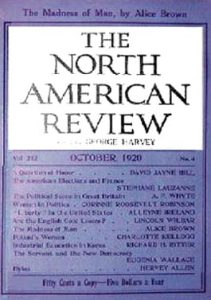
The North American Review Articles
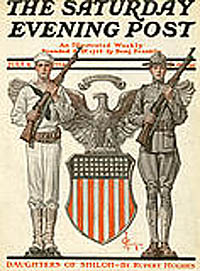
The Saturday Evening Post Articles
The Saturday Review Articles
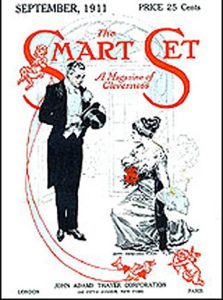
The Smart Set Articles
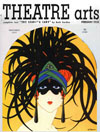
Theatre Arts Magazine Articles
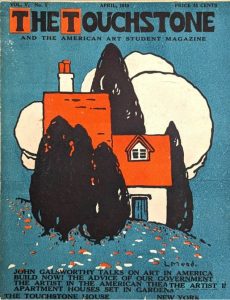
Touchstone Magazine Articles
Trench Warfare Articles
Vanity Fair Magazine Articles
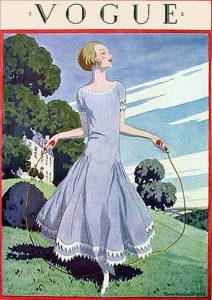
Vogue Magazine Articles

Silent Movie History

The Language of
the Movies

• Motion Picture Magazine, 1916 •


This paragraph was first seen on the pages of the March, 1916, issue of Motion Picture Magazine reporting that the overwhelming popularity of the new entertainment medium, and the public’s curiosity with the manner in which they are produced, have an impact on the everyday language of the English-speaking world:

“When a thing takes hold of a whole people its idiom enters the language; its individual verbiage begins to limber-up the common speech.”

“So the idiom of active photography has entered the English language, at least wherever the English language is Americanized. The self-conscious valedictorian is told not ‘to look into the camera’. The reporter writing of a street murder terms his description of the underlying cause a ‘cut-back’.”

– and most interestingly, one of the most popular elements of Hollywood verbiage is mentioned as having been noticed by the lexicographers: “close-up”.

The N.Y. TIMES reported that the verb “to film” was entered into the dictionary
in 1914
.

Read Silent Films and the Lexicographers<br>(Motion Picture Magazine, 1916) for Free
american-english contributions to english languagehollywood impact on english languagenew words created by hollywood silent moviesthe term close-up enters the american idiom 1916

The Language of[br] the Movies

american-english contributions to english languagehollywood impact on english languagenew words created by hollywood silent moviesthe term close-up enters the american idiom 1916
Scroll to Top