47 Magazine Articles
Click Magazine Articles
Collier's Magazine Articles
Confederate Veteran Magazine Articles
Confidential Magazine Articles
Creative Art Magazine Articles
Current Literature Magazine Articles
Direction Magazine Articles
Film Daily Magazine Articles
Freedom's Triumph Articles
G.I. Joe Magazine Articles
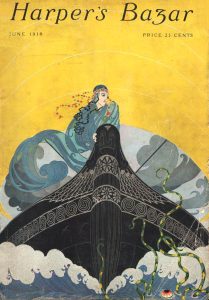
Harper's Bazaar Magazine Articles
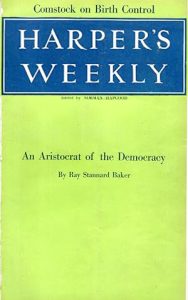
Harper's Weekly Articles
Hearst's Sunday American Articles
Ken Magazine Articles
La Baionnette Articles
Leslie's Magazine Articles
Liberty Magazine Articles
Life Magazine Articles
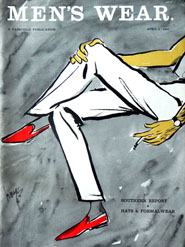
Men's Wear Magazine Articles
Newsweek Articles
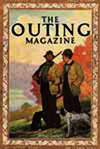
Outing Magazine Articles
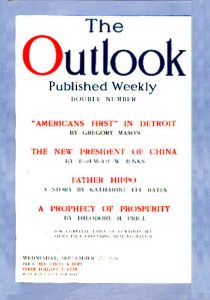
Outlook Magazine Articles
People Today Magazine Articles
Photoplay Magazine Articles
Pic Magazine Articles
PM Tabloid Articles
Punch Magazine Articles
Rob Wagner's Script Magazine Articles
Scribner's Magazine Articles
Sea Power Magazine Articles
Stage Magazine Articles
The American Legion Monthly Articles
The American Legion Weekly Articles
The Atlantic Monthly Articles
The Dial Magazine Articles
The Film Spectator Magazine Articles
The Flapper Magazine Articles
The National Park Service Articles
The New Republic Articles
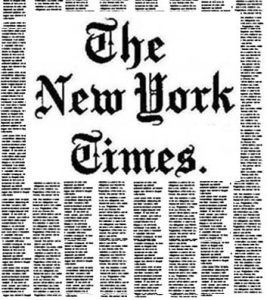
The New York Times Articles
The North American Review Articles
The Saturday Evening Post Articles
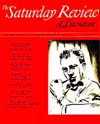
The Saturday Review Articles
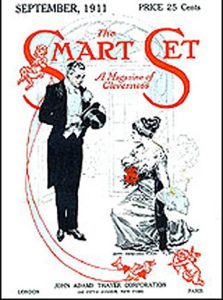
The Smart Set Articles
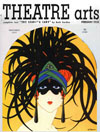
Theatre Arts Magazine Articles
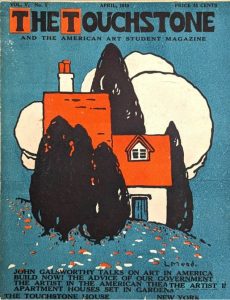
Touchstone Magazine Articles
Trench Warfare Articles
Vanity Fair Magazine Articles
Vogue Magazine Articles

Silent Movie History

New Words from
the Early Film Industry

• NY Times, 1914 •


In our era it doesn’t seem terribly odd that a fresh, exciting and highly popular industry, such as the internet, would begin generating new words to fill our dictionaries – and 1914 wasn’t any different. The column posted on the right introduced the readers of THE NEW YORK TIMES to a new verb contributed by the early film industry:

“The verb ‘to film’ having gained currency, it must be graciously admitted to the language. It will soon be in the ‘advanced’ dictionaries and it must be recognized. The old idea of protecting the English language from invasion is extinct. To ‘film’ means to make a picture for a ‘movie’ show'”.


During the past twenty years, Hollywood provided us with a whole slew of terms, such as “dramedy” (a combination between a comedy and a drama) and “romcom” (romantic comedy), “sitcom” (situation comedy) to name only a few.


Click here to read another article about the impact of film on the English language.

Read A New Word for the Dictionary<br>(NY Times, 1914) for Free
Early Film Industry Created New WordsSilent Film Industry Created New Wordsnew words from the early Film Industrygrowth of English language as a result of commercecommercial industries increased the size of English dictionaries

New Words from the Early Film Industry

New Words from the Early Film Industry

Early Film Industry Created New WordsSilent Film Industry Created New Wordsnew words from the early Film Industrygrowth of English language as a result of commercecommercial industries increased the size of English dictionaries
Scroll to Top