





47 Magazine Articles
Click Magazine Articles
Collier's Magazine Articles
Confederate Veteran Magazine Articles
Confidential Magazine Articles
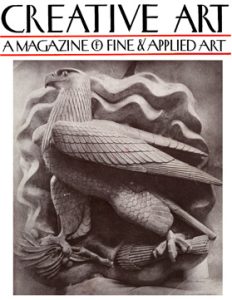
Creative Art Magazine Articles
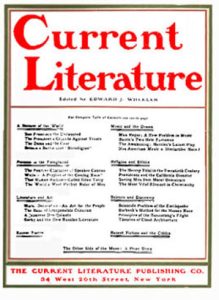
Current Literature Magazine Articles
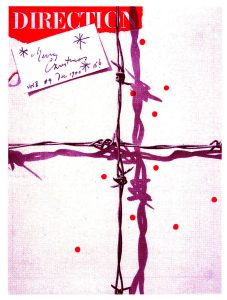
Direction Magazine Articles
Film Daily Magazine Articles
Freedom's Triumph Articles
G.I. Joe Magazine Articles
Harper's Bazaar Magazine Articles
Harper's Weekly Articles
Hearst's Sunday American Articles
Ken Magazine Articles
La Baionnette Articles
Leslie's Magazine Articles
Liberty Magazine Articles
Life Magazine Articles
Men's Wear Magazine Articles
Newsweek Articles
Outing Magazine Articles
Outlook Magazine Articles
People Today Magazine Articles
Photoplay Magazine Articles
Pic Magazine Articles
PM Tabloid Articles
Punch Magazine Articles
Rob Wagner's Script Magazine Articles
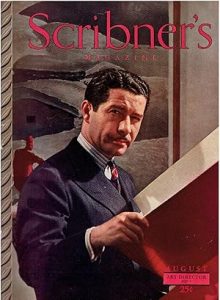
Scribner's Magazine Articles
Sea Power Magazine Articles
Stage Magazine Articles
The American Legion Monthly Articles
The American Legion Weekly Articles
The Atlantic Monthly Articles
The Dial Magazine Articles
The Film Spectator Magazine Articles
The Flapper Magazine Articles
The National Park Service Articles
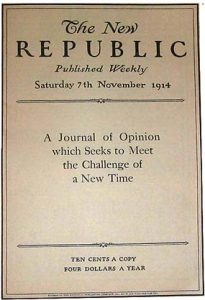
The New Republic Articles
The New York Times Articles
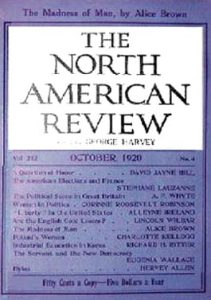
The North American Review Articles
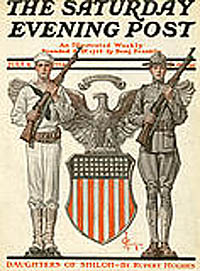
The Saturday Evening Post Articles
The Saturday Review Articles
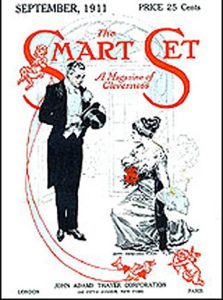
The Smart Set Articles
Theatre Arts Magazine Articles
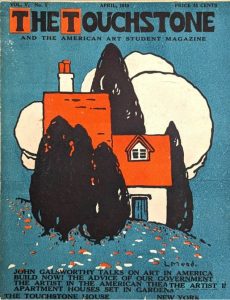
Touchstone Magazine Articles
Trench Warfare Articles
Vanity Fair Magazine Articles
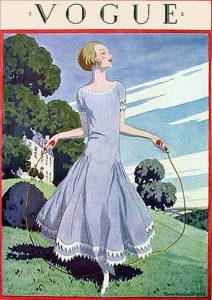
Vogue Magazine Articles

Twentieth Century Writers

P.G. Wodehouse on thePublishing World

• Vanity Fair, 1919 •


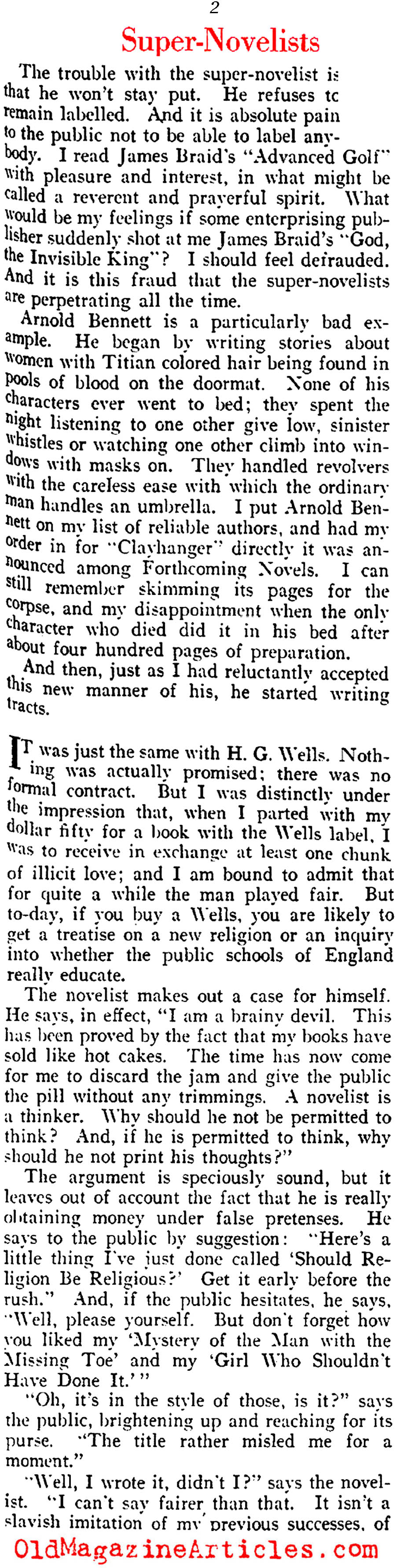
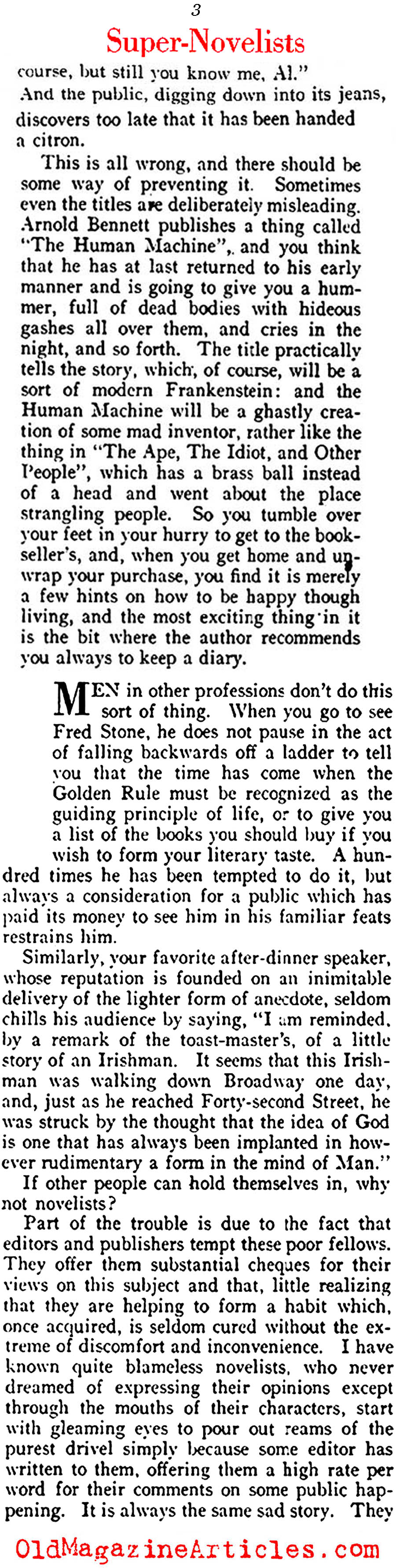
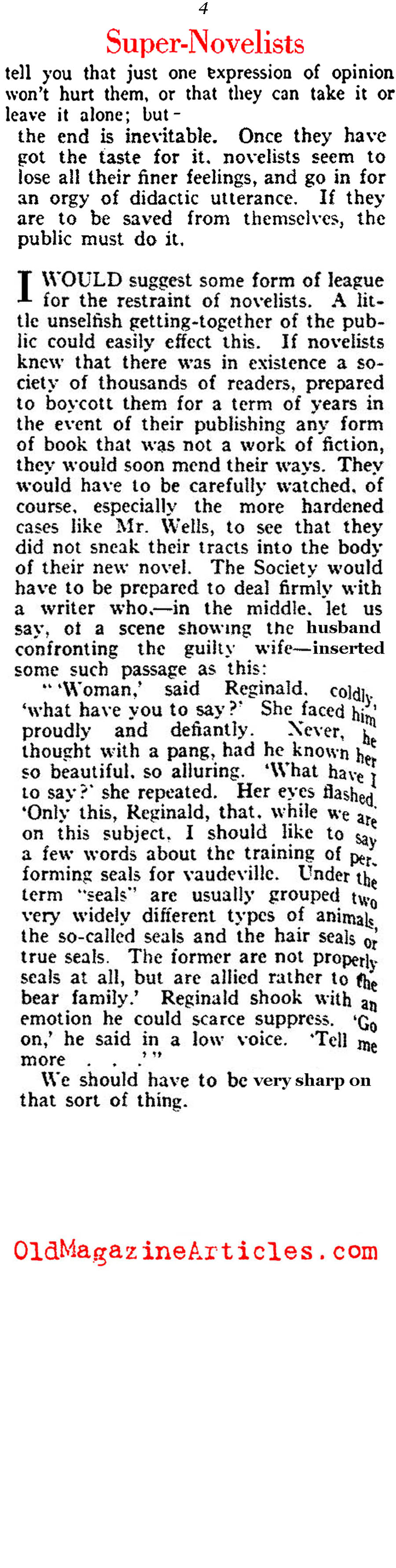
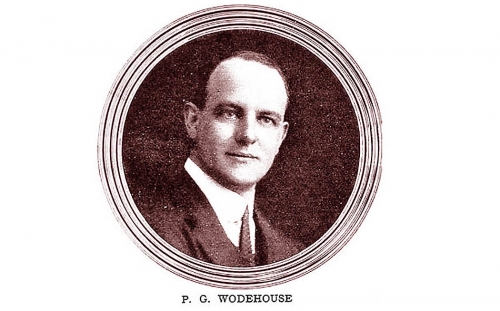
The VANITY FAIR article posted on the right was penned by P.G. Wodehouse (1904 – 1975) and it concerned a unique sort of novelist that had surfaced in 1919 – and has yet to decamp. Wodehouse divided the novelizing classes into two distinct groups:

“…the ordinary novelist, the straightforward, horny-handed dealer in narrative, who is perfectly contented to turn out two books a year, on the understanding – a gentleman’s agreement between himself and his public – that he reserves movie rights and is allowed an occasional photograph in the papers..”

The offending scribes Wodehouse called “Super-Novelists”; writers who are approached by their publishers and offered substantial checks for their views on a number of subjects that stand far outside their realm of comprehension. Wodehouse named two “Super-Novelists” who, he believed, fit this description and dominated his era: H.G. Wells (1866 – 1946) and Arnold Bennett (1867 – 1931).

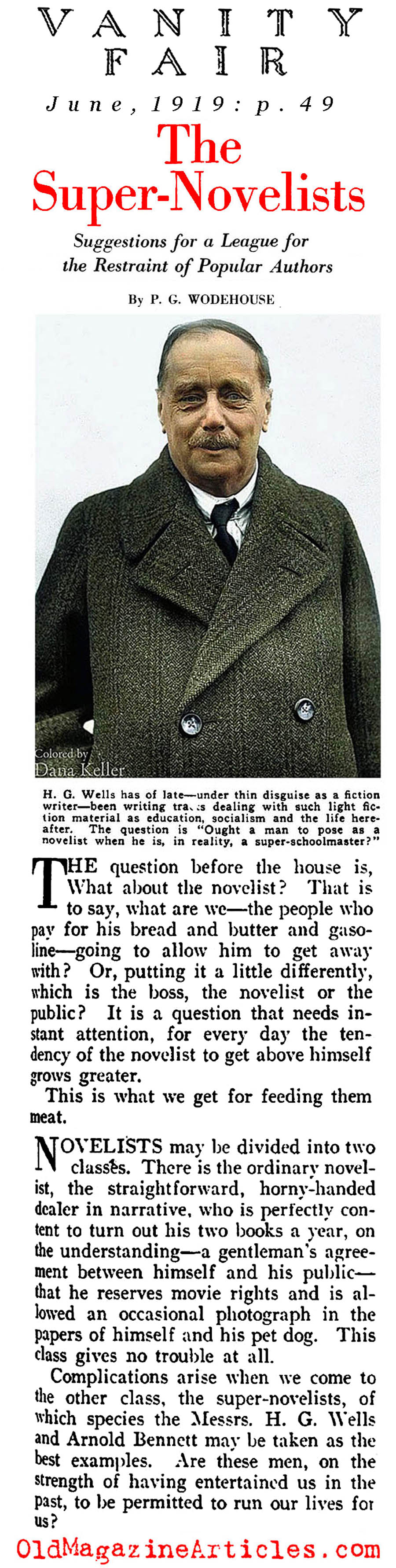
Read ‘The Attack of the Super Novelists”<br>(Vanity Fair, 1919) for Free
P.G. Wodehouse on Arnold BennettP.G. Wodehouse on H.G. WellsArnold Bennett Lampooned by PG Wodehouse 1919HG Wells Lampooned by PG Wodehouse 1919PG Wodehouse Vanity Fair Magazine Article 1919PG Wodehouse Remarks Concerning Literary Culture 1919PG Wodehouse Magazine Article Concerning Mass-Market Literary Society 1919

P.G. Wodehouse on thePublishing World

P.G. Wodehouse on thePublishing World

P.G. Wodehouse on thePublishing World

P.G. Wodehouse on thePublishing World

P.G. Wodehouse on Arnold BennettP.G. Wodehouse on H.G. WellsArnold Bennett Lampooned by PG Wodehouse 1919HG Wells Lampooned by PG Wodehouse 1919PG Wodehouse Vanity Fair Magazine Article 1919PG Wodehouse Remarks Concerning Literary Culture 1919PG Wodehouse Magazine Article Concerning Mass-Market Literary Society 1919
Scroll to Top