




47 Magazine Articles
Click Magazine Articles
Collier's Magazine Articles
Confederate Veteran Magazine Articles
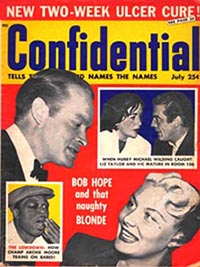
Confidential Magazine Articles
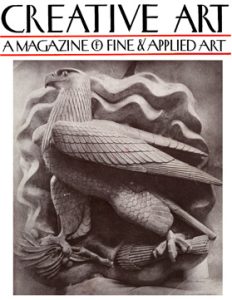
Creative Art Magazine Articles
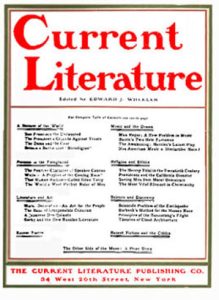
Current Literature Magazine Articles
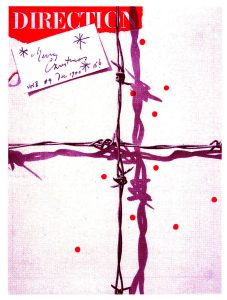
Direction Magazine Articles
Film Daily Magazine Articles
Freedom's Triumph Articles
G.I. Joe Magazine Articles
Harper's Bazaar Magazine Articles
Harper's Weekly Articles
Hearst's Sunday American Articles
Ken Magazine Articles
La Baionnette Articles
Leslie's Magazine Articles
Liberty Magazine Articles
Life Magazine Articles
Men's Wear Magazine Articles
Newsweek Articles
Outing Magazine Articles
Outlook Magazine Articles
People Today Magazine Articles
Photoplay Magazine Articles
Pic Magazine Articles
PM Tabloid Articles
Punch Magazine Articles
Rob Wagner's Script Magazine Articles
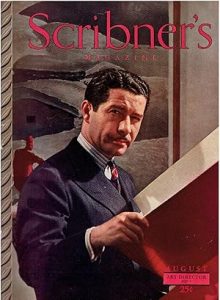
Scribner's Magazine Articles
Sea Power Magazine Articles
Stage Magazine Articles
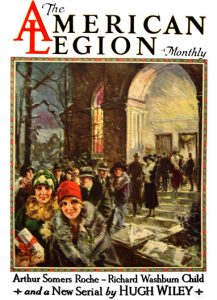
The American Legion Monthly Articles
The American Legion Weekly Articles
The Atlantic Monthly Articles
The Dial Magazine Articles
The Film Spectator Magazine Articles
The Flapper Magazine Articles
The National Park Service Articles
The New Republic Articles
The New York Times Articles
The North American Review Articles
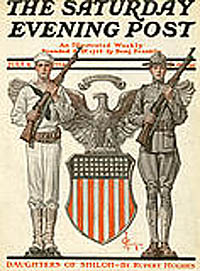
The Saturday Evening Post Articles
The Saturday Review Articles
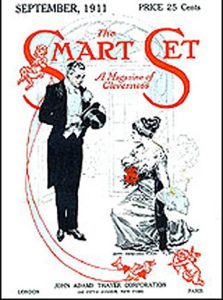
The Smart Set Articles
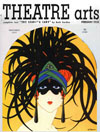
Theatre Arts Magazine Articles
Touchstone Magazine Articles
Trench Warfare Articles
Vanity Fair Magazine Articles
Vogue Magazine Articles

Twentieth Century Writers

James Joyce Interviewed
by Djuna Barnes

• Vanity Fair, 1922 •


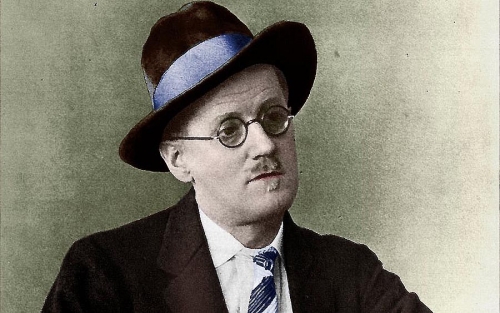
In a 1922 interview conducted at at the famed Paris cafe Deux Magots, avant-garde writer, illustrator and playwright Djuna Barnes (1892 – 1982) gave her all in an attempt to understand the man who was James Joyce (1882 – 1941).

“People say of of James Joyce that he looks both sad and tired. He does look sad and he does look tired, but it is the sadness of a man who has procured some medieval permission to sorrow out of time and and in no place; the weariness of one self-subjected to the creation and over abundance in the limited.”

“Yet James Joyce has been called eccentric, mad, incoherent, unintelligible, yes and futuristic. One wonders why, thinking what a fine lyric beginning that great Rabelaisian flower Ulysses had, with impartial addenda for foliage, the thin sweet lyricism of Chamber Music, the casual inevitability of Dubliners, the passion and prayer of Stephen Dedalus, who said that he would go alone through the world.”


The 1922 New York Times review of Ulysses can be read here…


From Amazon:
The Most Dangerous Book:
The Battle for James Joyce’s Ulysses


Read An Interview With James Joyce<br>(Vanity Fair, 1922) for Free
James Joyce Magazine Interview 1922James Joyce Vanity Fair Article 19221922 Vanity Fair Magazine Interview of James JoyceDjuna Barnes Article Vanity Fair 1922Djuna Barnes Concerning James JoyceDjuna Barnes Regarding Ulysses by James Joyce 1922James Joyce interviewed in Paris 1922 by Djuna BarnesULYSSES publicity interview with James JoyceDjuna Barnes Regarding Ulysses by James Joyce

James Joyce Interviewed by Djuna Barnes

James Joyce Interviewed by Djuna Barnes

James Joyce Interviewed by Djuna Barnes

James Joyce Interviewed by Djuna Barnes

James Joyce Magazine Interview 1922James Joyce Vanity Fair Article 19221922 Vanity Fair Magazine Interview of James JoyceDjuna Barnes Article Vanity Fair 1922Djuna Barnes Concerning James JoyceDjuna Barnes Regarding Ulysses by James Joyce 1922James Joyce interviewed in Paris 1922 by Djuna BarnesULYSSES publicity interview with James JoyceDjuna Barnes Regarding Ulysses by James Joyce
Scroll to Top