




47 Magazine Articles
Click Magazine Articles
Collier's Magazine Articles
Confederate Veteran Magazine Articles
Confidential Magazine Articles
Creative Art Magazine Articles
Current Literature Magazine Articles
Direction Magazine Articles
Film Daily Magazine Articles
Freedom's Triumph Articles
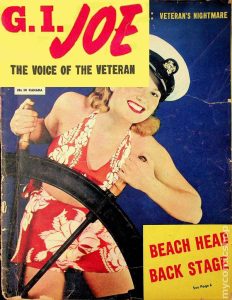
G.I. Joe Magazine Articles
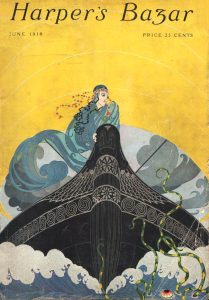
Harper's Bazaar Magazine Articles
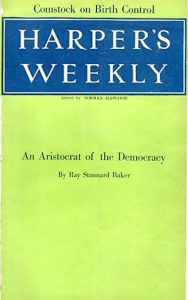
Harper's Weekly Articles
Hearst's Sunday American Articles
Ken Magazine Articles
La Baionnette Articles
Leslie's Magazine Articles
Liberty Magazine Articles
Life Magazine Articles
Men's Wear Magazine Articles
Newsweek Articles
Outing Magazine Articles
Outlook Magazine Articles
People Today Magazine Articles
Photoplay Magazine Articles
Pic Magazine Articles
PM Tabloid Articles
Punch Magazine Articles
Rob Wagner's Script Magazine Articles
Scribner's Magazine Articles
Sea Power Magazine Articles
Stage Magazine Articles
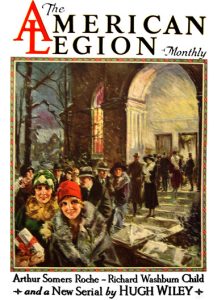
The American Legion Monthly Articles
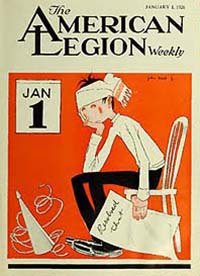
The American Legion Weekly Articles
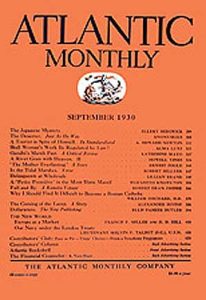
The Atlantic Monthly Articles
The Dial Magazine Articles
The Film Spectator Magazine Articles
The Flapper Magazine Articles
The National Park Service Articles
The New Republic Articles
The New York Times Articles
The North American Review Articles
The Saturday Evening Post Articles
The Saturday Review Articles
The Smart Set Articles
Theatre Arts Magazine Articles
Touchstone Magazine Articles
Trench Warfare Articles
Vanity Fair Magazine Articles
Vogue Magazine Articles

British Officer Uniforms * Uncategorized

The British Warm

• Thresher & Glenny Catalog, 1915 •


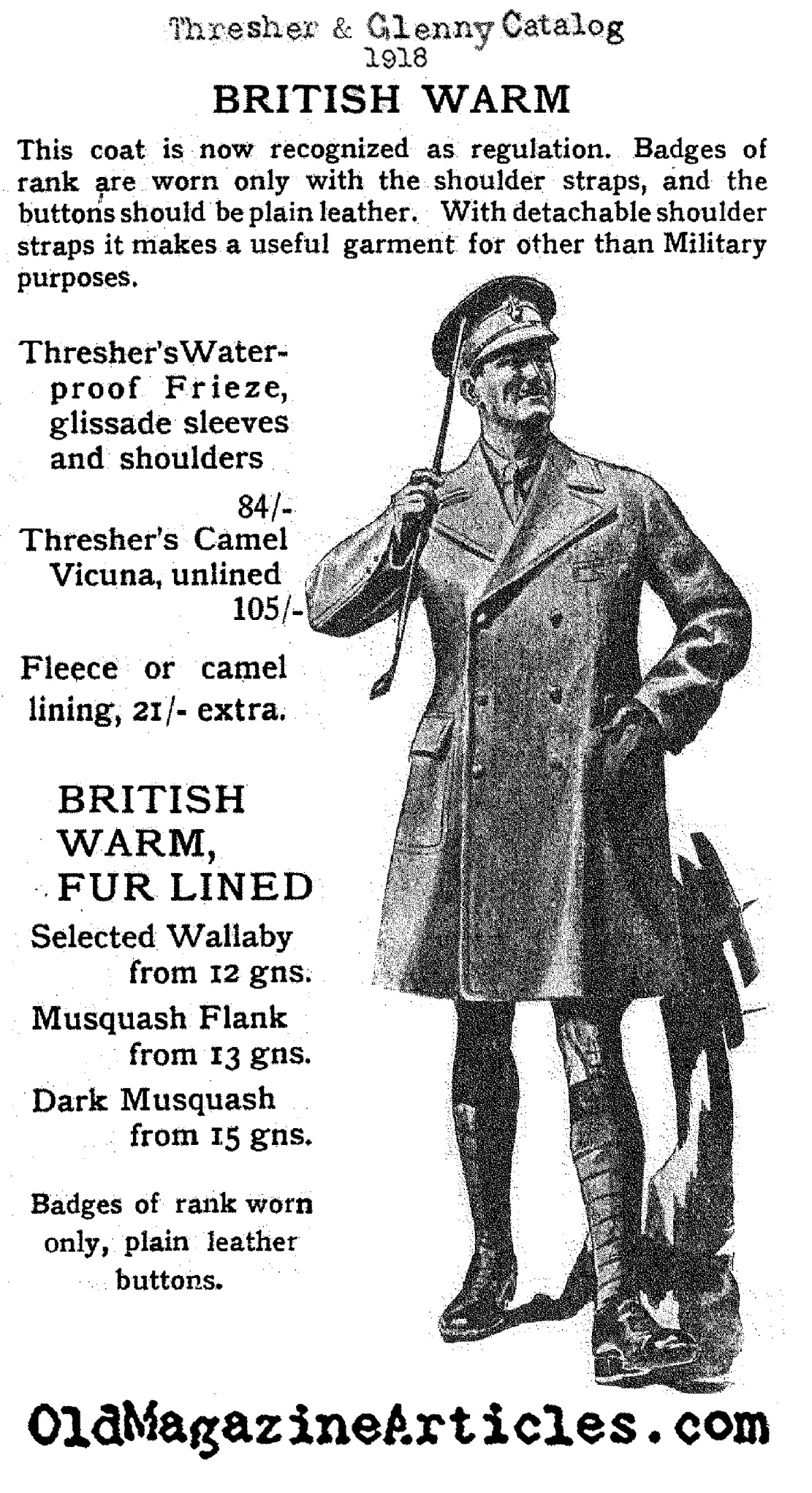
The British Warm – which was initially known by tailors as the ‘British Warmer’ – is a very distinctly British style of topcoat which was developed in the earliest days of the Twentieth Century, originally as a military coat to be worn by Army and Royal Navy officers who required the freedom of movement that was denied to them when wearing the regulation topcoats available at that time. Since greatcoats were heavy and long, they hindered a man’s movements when in combat. In the Spring of 1914, shortly before the outbreak of the World War I, Tailor & Cutter reported on a visit to Jaeger’s London showroom where the young officers were shown “a military overcoat made from fleecy blanket cloth, light in weight, but warm”. This is a distinct specialty of Jaeger, and has been named the ‘British Warm’, and is supplied among others to many of the leading West End firms.”
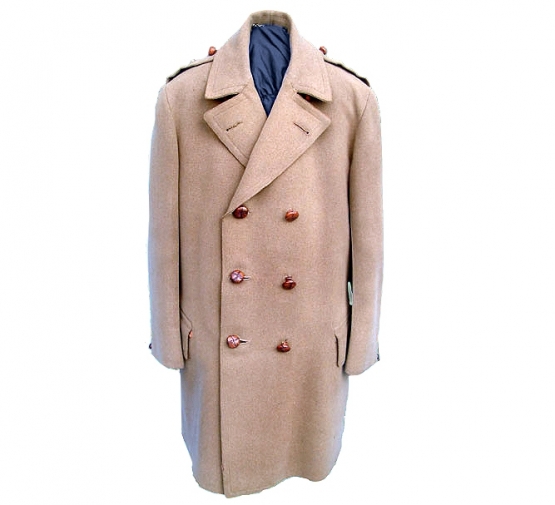
Read Officer’s British Warm<br>(Thresher & Glenny Catalog, 1915) for Free
British Warm Coat History

The British Warm

British Warm Coat History
Scroll to Top