




















47 Magazine Articles
Click Magazine Articles
Collier's Magazine Articles
Confederate Veteran Magazine Articles
Confidential Magazine Articles
Creative Art Magazine Articles
Current Literature Magazine Articles
Direction Magazine Articles
Film Daily Magazine Articles
Freedom's Triumph Articles
G.I. Joe Magazine Articles
Harper's Bazaar Magazine Articles
Harper's Weekly Articles
Hearst's Sunday American Articles
Ken Magazine Articles
La Baionnette Articles
Leslie's Magazine Articles
Liberty Magazine Articles
Life Magazine Articles
Men's Wear Magazine Articles
Newsweek Articles
Outing Magazine Articles
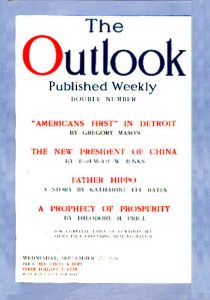
Outlook Magazine Articles
People Today Magazine Articles
Photoplay Magazine Articles
Pic Magazine Articles
PM Tabloid Articles
Punch Magazine Articles
Rob Wagner's Script Magazine Articles
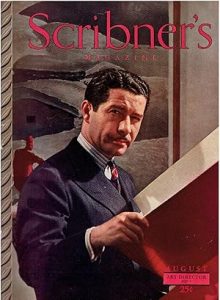
Scribner's Magazine Articles
Sea Power Magazine Articles
Stage Magazine Articles
The American Legion Monthly Articles
The American Legion Weekly Articles
The Atlantic Monthly Articles
The Dial Magazine Articles
The Film Spectator Magazine Articles
The Flapper Magazine Articles
The National Park Service Articles
The New Republic Articles
The New York Times Articles
The North American Review Articles
The Saturday Evening Post Articles
The Saturday Review Articles
The Smart Set Articles
Theatre Arts Magazine Articles
Touchstone Magazine Articles
Trench Warfare Articles
Vanity Fair Magazine Articles
Vogue Magazine Articles

Post-War Japan

The Capture of
Tokyo Rose

• Yank Magazine, 1945 •


The U.S. Army authorities arriving in Japan after the surrender proceedings in Tokyo Bay were hellbent on capturing the American traitor who presided over so many disheartening radio broadcasts — the woman they nicknamed “Tokyo Rose”:

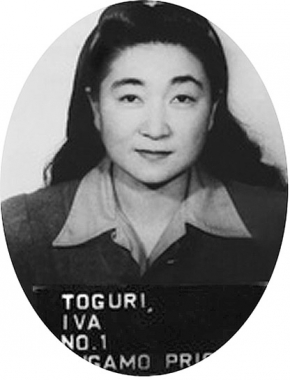
“…one of the supreme objectives of American correspondents landing in Japan was Radio Tokyo. There they hoped to find someone to pass off as the one-and-only “Rose” and scoop their colleagues. When the information had been sifted a little, a girl named Iva Toguri (Iva Toguri D’Aquino: 1916 – 2006), emerged as the only candidate who came close to filling the bill. For three years she had played records, interspersed with snappy comments, beamed to Allied soldiers on the “Zero Hour”…Her own name for herself was “Orphan Ann.”

Toguri’s story was an interesting one that went on for many years and finally resulted in a 1977 pardon granted by one who had listened to many such broadcasts: President Gerald R. Ford (1913-2006), who had served in the Pacific on board the aircraft carrier “USS Monterey”.

•Articles about the daily hardships in post-war Germany can be read by clicking here.

Read Catching Up With Tokyo Rose<br>(Yank Magazine, 1945) for Free
Tokyo Rose caught in TokyoTokyo Rose caught by American Army 1945Tokyo Rose captured by American Army 1945Tokyo Rose Incarcerated by Occupied Japan 1945occupied Japan and the imprisonment of Tokyo Rose 1945

The Capture of[BR] Tokyo Rose

The Capture of[BR] Tokyo Rose

Tokyo Rose caught in TokyoTokyo Rose caught by American Army 1945Tokyo Rose captured by American Army 1945Tokyo Rose Incarcerated by Occupied Japan 1945occupied Japan and the imprisonment of Tokyo Rose 1945
Scroll to Top