





















47 Magazine Articles
Click Magazine Articles
Collier's Magazine Articles
Confederate Veteran Magazine Articles
Confidential Magazine Articles
Creative Art Magazine Articles
Current Literature Magazine Articles
Direction Magazine Articles
Film Daily Magazine Articles
Freedom's Triumph Articles
G.I. Joe Magazine Articles
Harper's Bazaar Magazine Articles
Harper's Weekly Articles
Hearst's Sunday American Articles
Ken Magazine Articles
La Baionnette Articles
Leslie's Magazine Articles
Liberty Magazine Articles
Life Magazine Articles
Men's Wear Magazine Articles
Newsweek Articles
Outing Magazine Articles
Outlook Magazine Articles
People Today Magazine Articles
Photoplay Magazine Articles
Pic Magazine Articles
PM Tabloid Articles
Punch Magazine Articles
Rob Wagner's Script Magazine Articles
Scribner's Magazine Articles
Sea Power Magazine Articles
Stage Magazine Articles
The American Legion Monthly Articles
The American Legion Weekly Articles
The Atlantic Monthly Articles
The Dial Magazine Articles
The Film Spectator Magazine Articles
The Flapper Magazine Articles
The National Park Service Articles
The New Republic Articles
The New York Times Articles
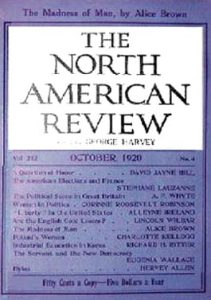
The North American Review Articles
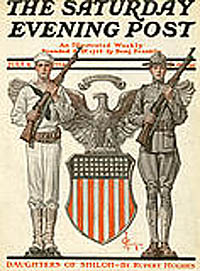
The Saturday Evening Post Articles
The Saturday Review Articles
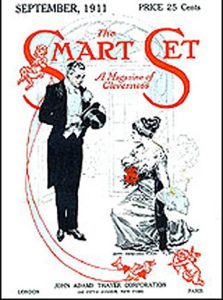
The Smart Set Articles
Theatre Arts Magazine Articles
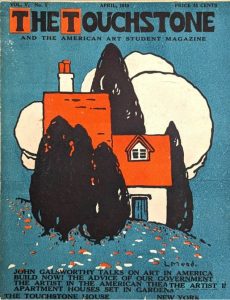
Touchstone Magazine Articles
Trench Warfare Articles
Vanity Fair Magazine Articles
Vogue Magazine Articles

World War One

Why Was W.W. I Different
from All Previous Wars?

• Hearst's Sunday American, 1917 •


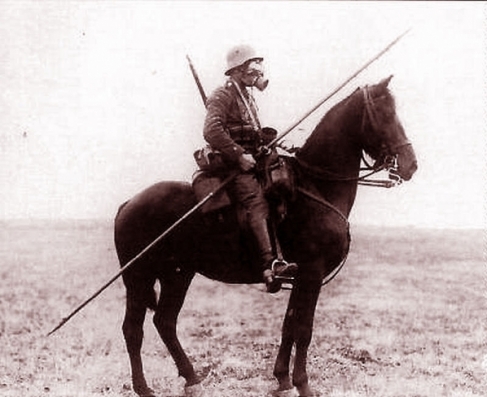
The First World War was where the 19th and 20th centuries met, and the image posted above sums it up nicely. The German cavalryman sits atop a beautiful steed, he wears a pair of elegant riding boots and carries a lance; his shiny breastplate and sword have been replaced with two elements created by the world of industrialized warfare: a steel helmet and a gas-mask. He appears to resemble a soldier who would prefer to believe that machine guns and high explosive artillery shells don’t exist, but just in case he brought along this other stuff.


Attached is a column by the admired British war correspondent Ellis Ashmead-Bartlett (1881 – 1931) concerning those distinct elements of the First World War that combined to make it something unique in the history of the world.


Click here to read about the fashion legacy of W.W. I…


Articles about trench warfare can be read here.

Read A War Like No Other <br>(Hearst’s Sunday  American, 1917) for Free
WHAT MADE WW1 DIFFERENTwhat makes ww1 uniqueWHAT MADE WW1 UNIQUEHOW WAS wwi DIFFERENT FROM PREVIOUS WARSwhat made wwi different from other warsEllis Ashmead-Bartlett ArticleWW 1 Small Unit TacticsWW1 differencesWW1 IngenuityAshmead-Bartlett Article 1917Trench Warfare InformationTrench War InformationWould War1 Ellis Ashmead-BartlettTrench Warfare as Modern WarfareEllis Ashmead-Bartlett War Correspondent

Why Was W.W. I Different from All Previous Wars?

Why Was W.W. I Different from All Previous Wars?

Why Was W.W. I Different from All Previous Wars?

Why Was W.W. I Different from All Previous Wars?

Why Was W.W. I Different from All Previous Wars?

WHAT MADE WW1 DIFFERENTwhat makes ww1 uniqueWHAT MADE WW1 UNIQUEHOW WAS wwi DIFFERENT FROM PREVIOUS WARSwhat made wwi different from other warsEllis Ashmead-Bartlett ArticleWW 1 Small Unit TacticsWW1 differencesWW1 IngenuityAshmead-Bartlett Article 1917Trench Warfare InformationTrench War InformationWould War1 Ellis Ashmead-BartlettTrench Warfare as Modern WarfareEllis Ashmead-Bartlett War Correspondent
Scroll to Top