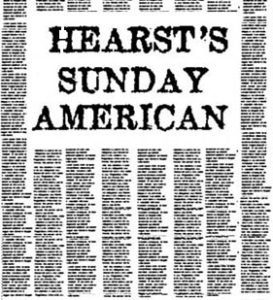
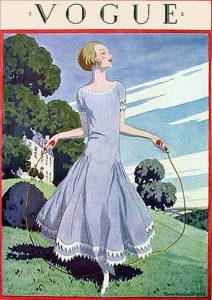
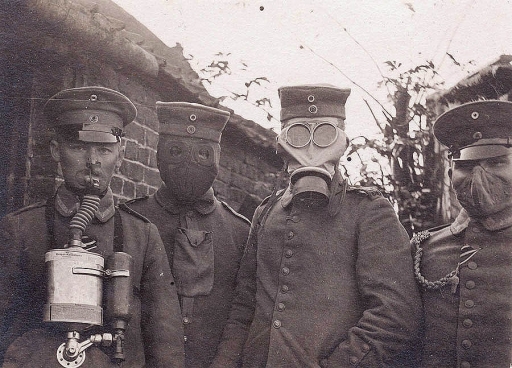
This article concerns the past and future of chemical warfare (as it was understood in 1922) and was written by Captain J.M. Scammell, an Englishman who wrote extensively on chemical warfare throughout much of the Twenties and Thirties:
“Not only is chemical warfare more humane in battle, but it decreases the likelihood of war. It excludes whole groups of peoples from fighting. For example, no longer can a savage people, or even a non-industrial nation, hope successfully to go to war with a power that uses gas. In conjunction with the submarine and with aircraft it so complicates a modern overseas campaign that again, certain nations are excluded from fighting each other.”
Click here to read more about gas warfare during World War One.

1922 arguments in favor of chemical warfare1922 magazine article about ww1 gas warfare1922 magazine article about ww1 gas warfareCaptain J.M. Scammell article concerning ww1 gas warfaremustard gas article 1922sneezing gas deployed in WW1world war one chlorine gas magazine article 1922WW1 phosgene gas magazine article 1922WW1 lachrymatory gas magazine article 1922pro-gas warfare argument 1922pro-chemical weapon argument 1922Gasses used during ww1types of chemical agents deployed in WW1ww1 chemical warfare statistics magazine article


1922 arguments in favor of chemical warfare1922 magazine article about ww1 gas warfare1922 magazine article about ww1 gas warfareCaptain J.M. Scammell article concerning ww1 gas warfaremustard gas article 1922sneezing gas deployed in WW1world war one chlorine gas magazine article 1922WW1 phosgene gas magazine article 1922WW1 lachrymatory gas magazine article 1922pro-gas warfare argument 1922pro-chemical weapon argument 1922Gasses used during ww1types of chemical agents deployed in WW1ww1 chemical warfare statistics magazine article