












47 Magazine Articles
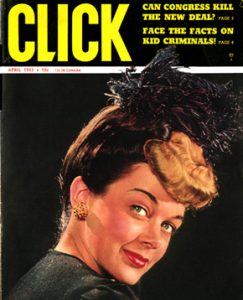
Click Magazine Articles
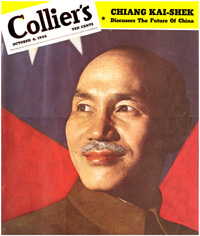
Collier's Magazine Articles
Confederate Veteran Magazine Articles
Confidential Magazine Articles
Creative Art Magazine Articles
Current Literature Magazine Articles
Direction Magazine Articles
Film Daily Magazine Articles
Freedom's Triumph Articles
G.I. Joe Magazine Articles
Harper's Bazaar Magazine Articles
Harper's Weekly Articles
Hearst's Sunday American Articles
Ken Magazine Articles
La Baionnette Articles
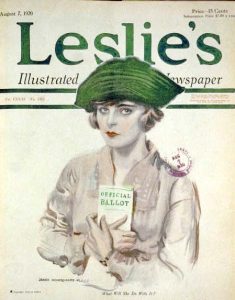
Leslie's Magazine Articles
Liberty Magazine Articles
Life Magazine Articles
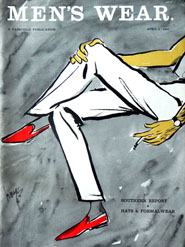
Men's Wear Magazine Articles
Newsweek Articles
Outing Magazine Articles
Outlook Magazine Articles
People Today Magazine Articles
Photoplay Magazine Articles
Pic Magazine Articles
PM Tabloid Articles
Punch Magazine Articles
Rob Wagner's Script Magazine Articles
Scribner's Magazine Articles
Sea Power Magazine Articles
Stage Magazine Articles
The American Legion Monthly Articles
The American Legion Weekly Articles
The Atlantic Monthly Articles
The Dial Magazine Articles
The Film Spectator Magazine Articles
The Flapper Magazine Articles
The National Park Service Articles
The New Republic Articles
The New York Times Articles
The North American Review Articles
The Saturday Evening Post Articles
The Saturday Review Articles
The Smart Set Articles
Theatre Arts Magazine Articles
Touchstone Magazine Articles
Trench Warfare Articles
Vanity Fair Magazine Articles
Vogue Magazine Articles

Doughboys

The Arrival

• Scribner's Magazine, 1919 •


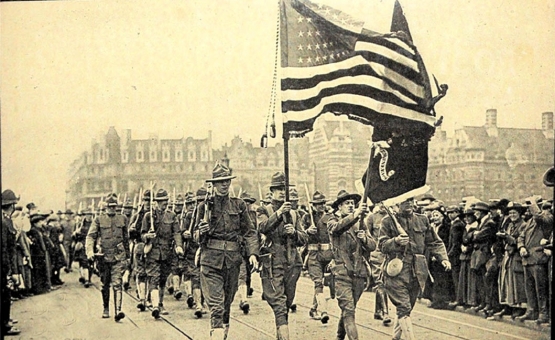
“There could be no stronger contrast than these bands of young American soldiers (they all look young), vigorous, tall, supple, nor very strongly built perhaps, neither the square-shouldered, powerful Tommy, nor the sturdy muscular Poilu, but swinging along with a firm free step – very bright eager eyes looking at everything and responding at once to the slightest sign of interest. They, too, had come to fight for an ideal – freedom and liberty of all nations, but theirs was no lost cause, their coming meant victory and they knew it.”

Contrast the above with Vera Britain’s description of her first glimpse of parading American infantry in her 1933 memoir, Testament of Youth:

“They looked larger than ordinary men,” she wrote. She knew they weren’t British soldiers, and began to wonder where they had come from. Then, she heard one of the other nurses say, “Look! Look! Here are the Americans!”

“I pressed forward with the others to watch the United States physically entering the War, so god-like, so magnificent, so splendidly unimpaired in comparison with the tired, nerve-racked men of the British Army.”

Click here to read more about the American Doughboys of the First World War.

Read ‘The Americans Are Here”<br>(Scribner’s Magazine, 1919) for Free
1917 American army men seen on Paris streetsdoughboys compared to british and french soldiers 1917US military arrive in Paris 1917city of paris welcomes american soldiers 1917

The Arrival

The Arrival

The Arrival

The Arrival

The Arrival

The Arrival

The Arrival

The Arrival

The Arrival

1917 American army men seen on Paris streetsdoughboys compared to british and french soldiers 1917US military arrive in Paris 1917city of paris welcomes american soldiers 1917
Scroll to Top