
















47 Magazine Articles
Click Magazine Articles
Collier's Magazine Articles
Confederate Veteran Magazine Articles
Confidential Magazine Articles
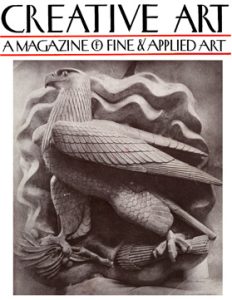
Creative Art Magazine Articles
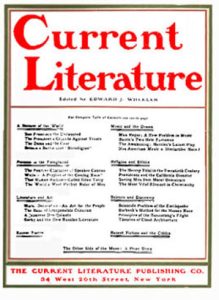
Current Literature Magazine Articles
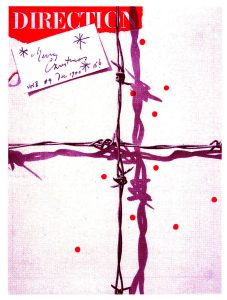
Direction Magazine Articles
Film Daily Magazine Articles
Freedom's Triumph Articles
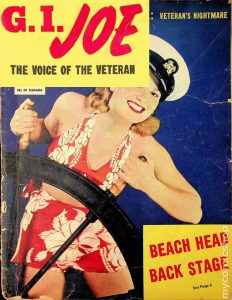
G.I. Joe Magazine Articles
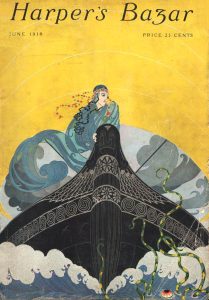
Harper's Bazaar Magazine Articles
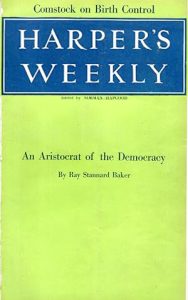
Harper's Weekly Articles
Hearst's Sunday American Articles
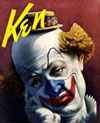
Ken Magazine Articles
La Baionnette Articles
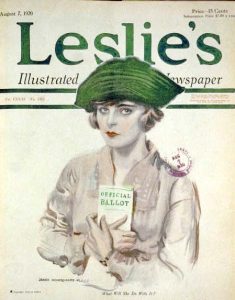
Leslie's Magazine Articles
Liberty Magazine Articles
Life Magazine Articles
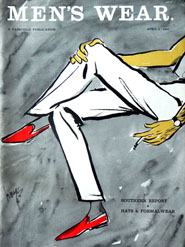
Men's Wear Magazine Articles
Newsweek Articles
Outing Magazine Articles
Outlook Magazine Articles
People Today Magazine Articles
Photoplay Magazine Articles
Pic Magazine Articles
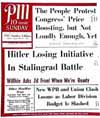
PM Tabloid Articles
Punch Magazine Articles
Rob Wagner's Script Magazine Articles
Scribner's Magazine Articles
Sea Power Magazine Articles
Stage Magazine Articles
The American Legion Monthly Articles
The American Legion Weekly Articles
The Atlantic Monthly Articles
The Dial Magazine Articles
The Film Spectator Magazine Articles
The Flapper Magazine Articles
The National Park Service Articles
The New Republic Articles
The New York Times Articles
The North American Review Articles
The Saturday Evening Post Articles
The Saturday Review Articles
The Smart Set Articles
Theatre Arts Magazine Articles
Touchstone Magazine Articles
Trench Warfare Articles
Vanity Fair Magazine Articles
Vogue Magazine Articles

Death Camps

Witnesses at
Bergen-Belsen

• PM Tabloid, 1945 •


Posted on the right is a column composed of the observations of Patrick Gordon Walker (1907 – 1980), a broadcast journalist with the BBC who was present with the British Army when they liberated the Bergen-Belsen Death Camp on April 15, 1945.


“There are three main classes in the camp: the healthy who have managed to keep themselves decent, but nearly all of these had typhus; then there were the sick who were more or less cared for by their friends; then there was a vast underworld that had lost all self-respect, crawling around in rags, living in abominable squalor, defecating in the compound, often mad or half-mad. By the other prisoners they are called musulmen. It is these who are still dying like flies. They can hardly walk on their legs. Thousands still of these cannot be saved, and if they were, they would be in lunatic asylums for the short remainder of their pitiful lives.”


Another article about Bergen-Belsen can be read here.


Click here to hear a segment of the BBC broadcast by Patrick Gordon Walker upon the liberation of Bergen-Belsen.
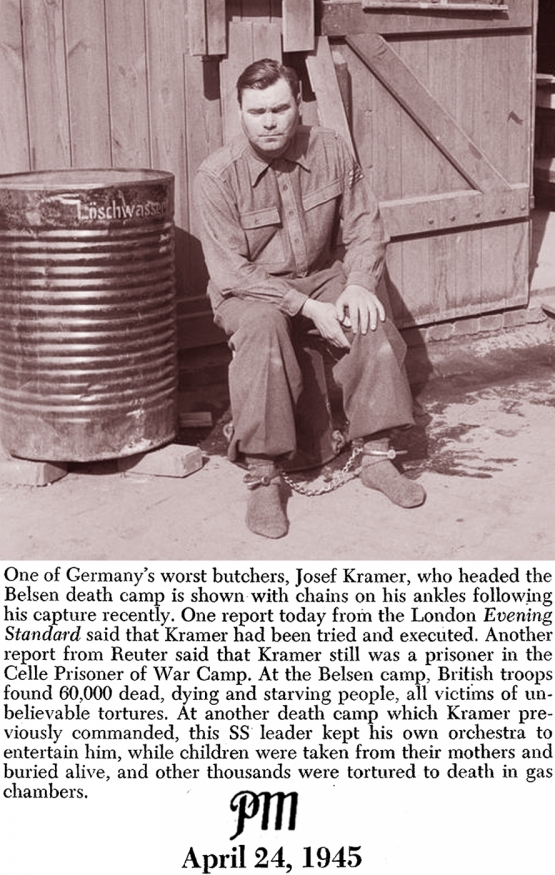

Read Memories of Bergen-Belsen<br>(PM Tabloid, 1945) for Free
Eyewitness to the Horrors of Bergen-Belsen Death Camp 1945BBC Journalist at Bergen-Belsen Death Camp 1945Bergen-Belsen Death Camp Liberated by British Army April 15 1945Anita Lasker Bergen-Belsen Inmate 1945Renata Lasker Bergen-Belsen Inmate 1945PM daily report on Bergen-Belsen death camp 1945liberated inmates of Bergen-Belsen Death Camp recall their experiences 1945victims of Bergen-Belsen Death Camp explain the three types of victims in camp 1945PM Daily journalist John Peyser at Bergen-Belsen Death Camp 1945

Witnesses atBergen-Belsen

Witnesses atBergen-Belsen

Witnesses atBergen-Belsen

Witnesses atBergen-Belsen

Eyewitness to the Horrors of Bergen-Belsen Death Camp 1945BBC Journalist at Bergen-Belsen Death Camp 1945Bergen-Belsen Death Camp Liberated by British Army April 15 1945Anita Lasker Bergen-Belsen Inmate 1945Renata Lasker Bergen-Belsen Inmate 1945PM daily report on Bergen-Belsen death camp 1945liberated inmates of Bergen-Belsen Death Camp recall their experiences 1945victims of Bergen-Belsen Death Camp explain the three types of victims in camp 1945PM Daily journalist John Peyser at Bergen-Belsen Death Camp 1945
Scroll to Top