


































47 Magazine Articles
Click Magazine Articles
Collier's Magazine Articles
Confederate Veteran Magazine Articles
Confidential Magazine Articles
Creative Art Magazine Articles
Current Literature Magazine Articles
Direction Magazine Articles
Film Daily Magazine Articles
Freedom's Triumph Articles
Harper's Bazaar Magazine Articles
Harper's Weekly Articles
Hearst's Sunday American Articles
Ken Magazine Articles
La Baionnette Articles
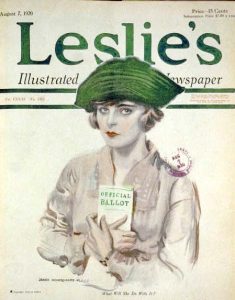
Leslie's Magazine Articles
Liberty Magazine Articles
Life Magazine Articles
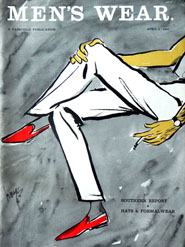
Men's Wear Magazine Articles
Newsweek Articles
Outing Magazine Articles
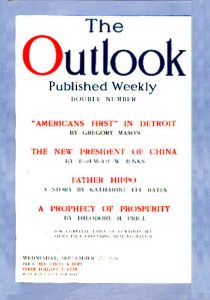
Outlook Magazine Articles
People Today Magazine Articles
Photoplay Magazine Articles
Pic Magazine Articles
PM Tabloid Articles
Punch Magazine Articles
Rob Wagner's Script Magazine Articles
Scribner's Magazine Articles
Sea Power Magazine Articles
Stage Magazine Articles
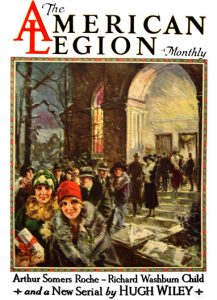
The American Legion Monthly Articles
The American Legion Weekly Articles
The Atlantic Monthly Articles
The Dial Magazine Articles
The Film Spectator Magazine Articles
The Flapper Magazine Articles
The National Park Service Articles
The New Republic Articles
The New York Times Articles
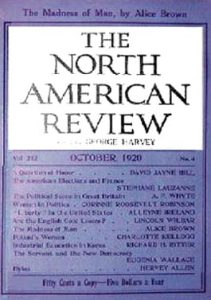
The North American Review Articles
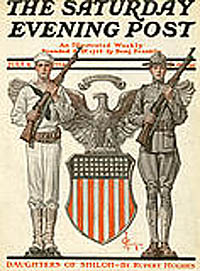
The Saturday Evening Post Articles
The Saturday Review Articles
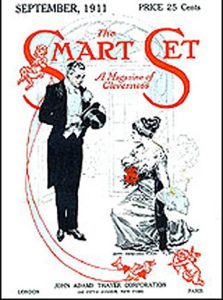
The Smart Set Articles
Theatre Arts Magazine Articles
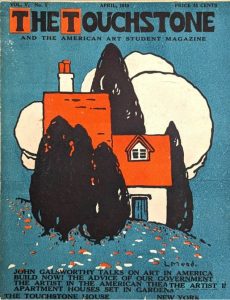
Touchstone Magazine Articles
Trench Warfare Articles
Vanity Fair Magazine Articles
Vogue Magazine Articles

Silent Movie History

Stage vs Screen

• Harper's Weekly, 1915 •


Attached herein is an article concerning all that play producers had to learn in order to compete for audiences with the very young (and far more exciting) motion picture industry in the early Twentieth Century.

The contest between film and stage was also touched upon three years earlier in the April, 1911 issue of The Motion Picture Magazine, in which a fellow known as the “Photoplay Philosopher” mused:

“Leaving my house last night at seven-thirty, I saw one motion picture performance from beginning to end, including five plays and two songs, and at nine I was back home. My neighbor in the adjoining hallroom left to go to a theater at seven-thirty and arrived home at eleven-fifteen. He saw one play, I saw five; it cost him $1.50, it cost me ten cents; nearly four hours of his life are gone, only one hour-and-a-half of mine. The moral I draw from this is, that the photoplay is in harmony with modern methods and progressive civilizations. Nearly all of our great inventions and discoveries are directed toward the elimination of distance and reduction of labor, in order that we may save time. We have the four-day ocean liners, the eighty-mile-an-hour trains, automobiles, airships, telephones, wireless telegraphy, and labor-saving machinery of every description; and what are they all for if not to gain time and to save expense?”

Click here to read further comparisons between theater and 1920s film…

From Amazon:
Aspects of American Film History Prior to 1920 by Anthony Slide.

Read Stage Productions Must Compete With Movies  <br>(Harper’s Weekly, 1915) for Free
Broadway vs HollywoodOld Broadway vs Young HollywoodStage vs ScreenLegitimate Theater vs MoviesEarly HollywoodOld Magazine Articles Concerning Silent Movie HistoryTraveling theater history in the age of silent moviesraveling theater history in the age of silent filmsilent film industry ended the era of traveling theater companies

Stage vs Screen

Broadway vs HollywoodOld Broadway vs Young HollywoodStage vs ScreenLegitimate Theater vs MoviesEarly HollywoodOld Magazine Articles Concerning Silent Movie HistoryTraveling theater history in the age of silent moviesraveling theater history in the age of silent filmsilent film industry ended the era of traveling theater companies
Scroll to Top