










47 Magazine Articles
Click Magazine Articles
Collier's Magazine Articles
Confederate Veteran Magazine Articles
Confidential Magazine Articles
Creative Art Magazine Articles
Current Literature Magazine Articles
Direction Magazine Articles
Film Daily Magazine Articles
Freedom's Triumph Articles
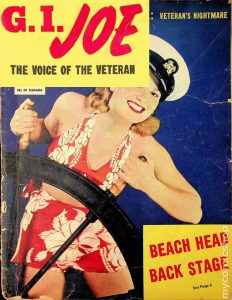
G.I. Joe Magazine Articles
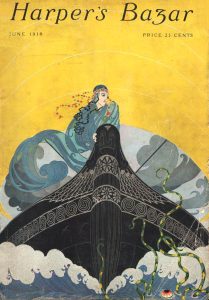
Harper's Bazaar Magazine Articles
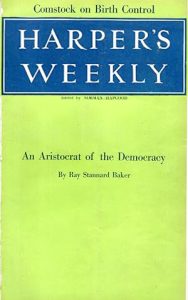
Harper's Weekly Articles
Hearst's Sunday American Articles
Ken Magazine Articles
La Baionnette Articles
Leslie's Magazine Articles
Liberty Magazine Articles
Life Magazine Articles
Men's Wear Magazine Articles
Newsweek Articles
Outing Magazine Articles
Outlook Magazine Articles
People Today Magazine Articles
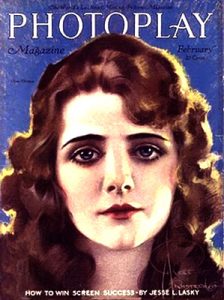
Photoplay Magazine Articles
Pic Magazine Articles
PM Tabloid Articles
Punch Magazine Articles
Rob Wagner's Script Magazine Articles
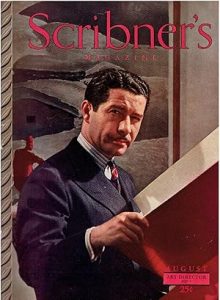
Scribner's Magazine Articles
Sea Power Magazine Articles
Stage Magazine Articles
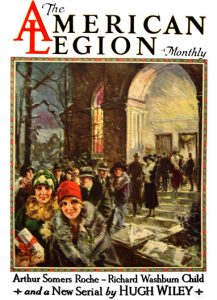
The American Legion Monthly Articles
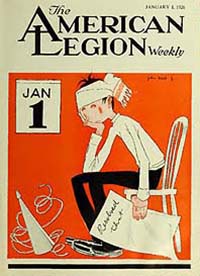
The American Legion Weekly Articles
The Atlantic Monthly Articles
The Dial Magazine Articles
The Film Spectator Magazine Articles
The Flapper Magazine Articles
The National Park Service Articles
The New Republic Articles
The New York Times Articles
The North American Review Articles
The Saturday Evening Post Articles
The Saturday Review Articles
The Smart Set Articles
Theatre Arts Magazine Articles
Touchstone Magazine Articles
Trench Warfare Articles
Vanity Fair Magazine Articles
Vogue Magazine Articles

Hollywood History

GROUCHO MARX

• Coronet Magazine, 1951 •


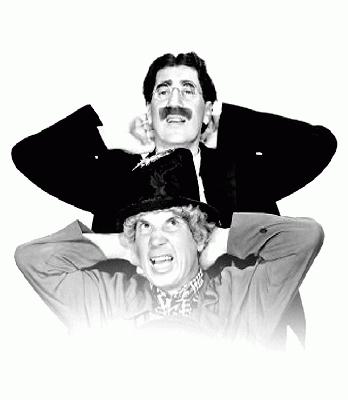
In this six page essay Harpo Marx tells the tale of Groucho (1890 – 1977) as only an older brother could see it. From the Marx family’s earliest days in the slums of New York and Groucho’s first entertainment job (he was 13), Harpo (1888 – 1964) briefly recounts his brother’s wins and losses leading up to the team’s first popular show on Broadway (“I’ll Say She Is”, 1923) and the man’s travails on his T.V. game show, “You Bet Your Life”.

“Groucho’s infatuation with the language has been the backbone of his entire life and has, undoubtedly, played the largest single part in shaping him into one of the greatest wits of our time. Groucho doesn’t regard words the way the rest of us do. He looks at a word in the usual fashion. Then he looks at it upside down, backwards, from the middle out to the ends, and from the ends back to the middle… Groucho doesn’t look for double meanings. He looks for quadruple meanings. And usually finds them.”


Click here to read about the manner in which the Marx Brothers would test their jokes.

Read My Brother Groucho<br>(Coronet Magazine, 1951) for Free
My Brother Groucho Marx by Harpo Marxarticle about Grouch Marxearly career of Grouch MarxMarx Brothers on Broadwaystories about Grouch Marxfirst job of Groucho Marx

GROUCHO MARX

GROUCHO MARX

GROUCHO MARX

GROUCHO MARX

GROUCHO MARX

GROUCHO MARX

GROUCHO MARX

GROUCHO MARX

GROUCHO MARX

GROUCHO MARX

GROUCHO MARX

GROUCHO MARX

My Brother Groucho Marx by Harpo Marxarticle about Grouch Marxearly career of Grouch MarxMarx Brothers on Broadwaystories about Grouch Marxfirst job of Groucho Marx
Scroll to Top