

47 Magazine Articles
Click Magazine Articles
Collier's Magazine Articles
Confederate Veteran Magazine Articles
Confidential Magazine Articles
Creative Art Magazine Articles
Current Literature Magazine Articles
Direction Magazine Articles
Film Daily Magazine Articles
Freedom's Triumph Articles
G.I. Joe Magazine Articles
Harper's Bazaar Magazine Articles
Harper's Weekly Articles
Hearst's Sunday American Articles
Ken Magazine Articles
La Baionnette Articles
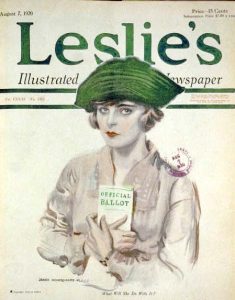
Leslie's Magazine Articles
Liberty Magazine Articles
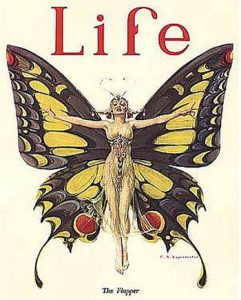
Life Magazine Articles
Men's Wear Magazine Articles
Newsweek Articles
Outing Magazine Articles
Outlook Magazine Articles
People Today Magazine Articles
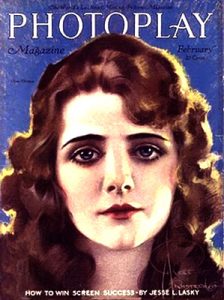
Photoplay Magazine Articles
Pic Magazine Articles
PM Tabloid Articles
Punch Magazine Articles
Rob Wagner's Script Magazine Articles
Scribner's Magazine Articles
Sea Power Magazine Articles
Stage Magazine Articles
The American Legion Monthly Articles
The American Legion Weekly Articles
The Atlantic Monthly Articles
The Dial Magazine Articles
The Film Spectator Magazine Articles
The Flapper Magazine Articles
The National Park Service Articles
The New Republic Articles
The New York Times Articles
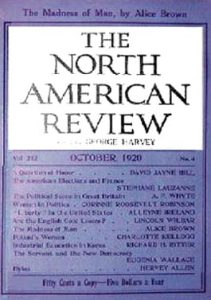
The North American Review Articles
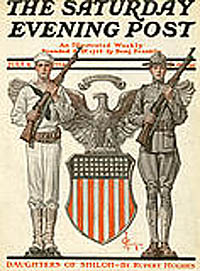
The Saturday Evening Post Articles
The Saturday Review Articles
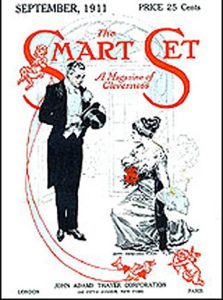
The Smart Set Articles
Theatre Arts Magazine Articles
Touchstone Magazine Articles
Trench Warfare Articles
Vanity Fair Magazine Articles
Vogue Magazine Articles

Hollywood History

Alfred Hitchcock
in Hollywood

• Film Daily, 1939 •


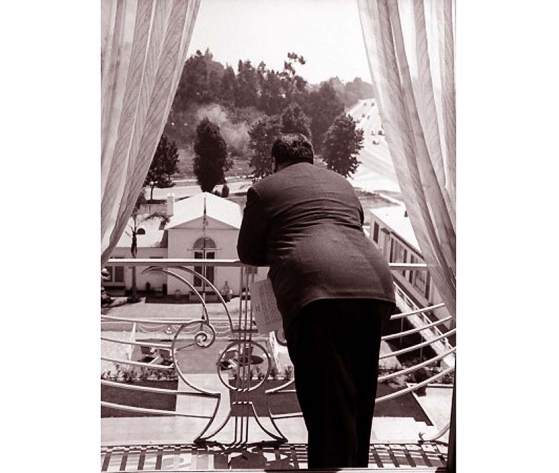
“Now at work on his first American motion picture [since arriving in the U.S.], the glossily rotund Hitchcock, whose gelatinous appearance and jocose manner belie his sinister intent, and who brightly eyes all comers with a sort of controlled effervescence, happily declares that his first Hollywood opus will surpass anything he has yet done to keep an audience poised on the edges of its chairs.”

“Early experiences in pictures taught Hitchcock “the hard way” many phases of the industry, but there is plenty more to learn, he declares. He seldom attends picture shows, and avoids reading novels in which he is not professionally interested. This, he says, is to keep his sources of plot ideas uninfluenced by outsiders. For the same reason, he seldom appears on sound stages where other pictures are being made, although he visited sets of “Gone with the Wind,” and doesn’t mind visitors on stages where he is working. When Hitchcock came to California under exclusive long-term contract to Selznick, he brought not only his wife, but his daughter, Patricia, aged 10, and her two dogs, Edward IX, a Cocker, and Mr. Jenkins, a Sealyham. The Hitchcocks, with traditional British caution, said they would need more time to get acclimated. ‘You may say,’ the director joyously commented, “that California looks to good to be true.'”
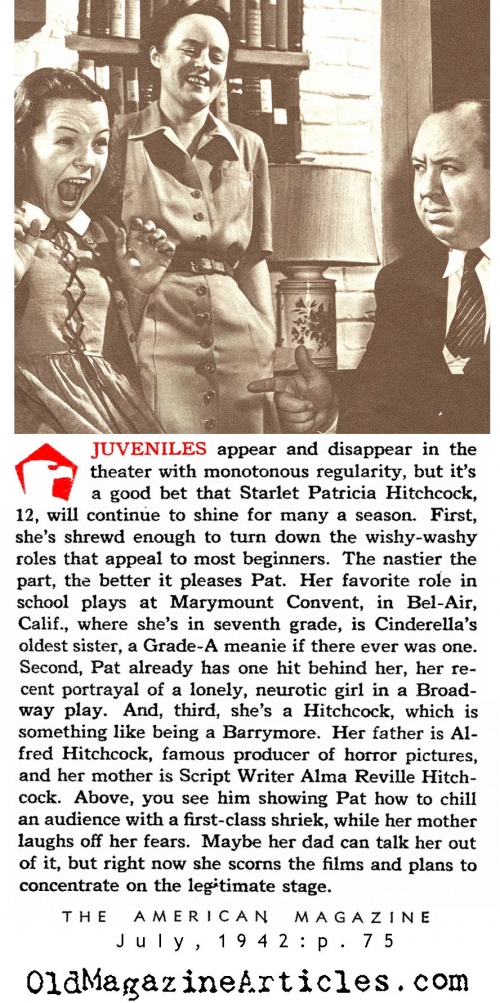

Read Director Alfred Hitchcock<br>(Film Daily, 1939) for Free
Director Alfred Hitchcock article 1939Director Alfred Hitchcock first arrival in America 1939Director Alfred Hitchcock first arrival in Hollywood 1939

Alfred Hitchcockin Hollywood

Alfred Hitchcockin Hollywood

Director Alfred Hitchcock article 1939Director Alfred Hitchcock first arrival in America 1939Director Alfred Hitchcock first arrival in Hollywood 1939
Scroll to Top