







47 Magazine Articles
Click Magazine Articles
Collier's Magazine Articles
Confederate Veteran Magazine Articles
Confidential Magazine Articles
Creative Art Magazine Articles
Current Literature Magazine Articles
Direction Magazine Articles
Film Daily Magazine Articles
Freedom's Triumph Articles
G.I. Joe Magazine Articles
Harper's Bazaar Magazine Articles
Harper's Weekly Articles
Hearst's Sunday American Articles
Ken Magazine Articles
La Baionnette Articles
Leslie's Magazine Articles
Liberty Magazine Articles
Life Magazine Articles
Men's Wear Magazine Articles
Newsweek Articles
Outing Magazine Articles
Outlook Magazine Articles
People Today Magazine Articles
Photoplay Magazine Articles
Pic Magazine Articles
PM Tabloid Articles
Punch Magazine Articles
Rob Wagner's Script Magazine Articles
Scribner's Magazine Articles
Sea Power Magazine Articles
Stage Magazine Articles
The American Legion Monthly Articles
The American Legion Weekly Articles
The Atlantic Monthly Articles
The Dial Magazine Articles
The Film Spectator Magazine Articles
The Flapper Magazine Articles
The National Park Service Articles
The New Republic Articles
The New York Times Articles
The North American Review Articles
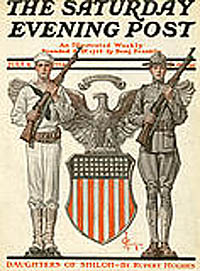
The Saturday Evening Post Articles
The Saturday Review Articles
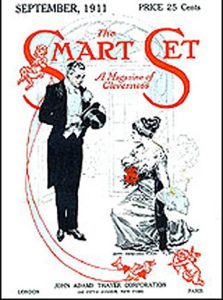
The Smart Set Articles
Theatre Arts Magazine Articles
Touchstone Magazine Articles
Trench Warfare Articles
Vanity Fair Magazine Articles
Vogue Magazine Articles

First Nations

The Natives and
Rag Time Music

• The Literary Digest, 1913 •


A foremost scholar in the field of Native American Music insisted that the American Indian had a guiding roll in the development of Rag Time:

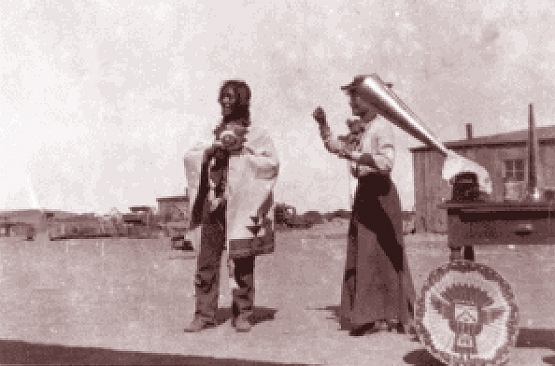
“Most people instinctively assign it to the Negro; but the Indian also, according to Natalie Curtis Burlin (1875-1921: pictured above), is to be credited with a hand in it. The syncopation, which is a predominant feature of all Rag Time, as she observes in ‘The Craftsman’, is an absolutely essential element in the songs of our North American Indians of many tribes.”

Also discussed are the efforts of Geoffrey O’Hara to make the earliest recordings of Native American Music on behalf of the U.S. Library of Congress.

Read The Influence of the Natives on Rag Time Music <br>(The Literary Digest, 1913) for Free
Native American Music at the Library of CongressNative American Music and American Popular SongInfluence of Native Americans on Rag Time MusicInfluence of Native Americans on American MusicMusical Recording of Blackfeet Tribe 1913Earliest Recording of Native American Music 1913

The Natives and[BR] Rag Time Music

Native American Music at the Library of CongressNative American Music and American Popular SongInfluence of Native Americans on Rag Time MusicInfluence of Native Americans on American MusicMusical Recording of Blackfeet Tribe 1913Earliest Recording of Native American Music 1913
Scroll to Top