




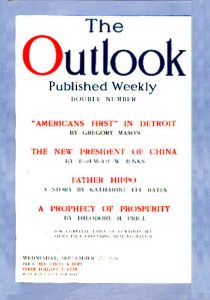




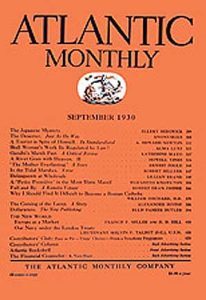





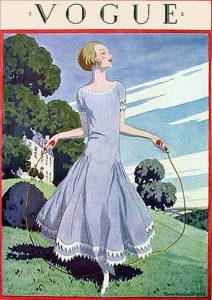

Although the author of this article, educator Cedric Fowler, does not offer a name for the subject he is proposing, yet it will not take the reader much time to recognize it as “social studies”. Fowler argued that the text books available at that time were more suited to the previous century than the tumultuous Thirties, they seemed to ignore all the assorted topics of the day that would have made subjects such as history, geography and civics come alive for those students who were enrolled at the time of the Great Depression.
“The older texts invariably contrive to give the impression that the 19th Century somehow was better than the present, that the people were happier, purer and lead led more wholesome lives. A pietistic, and often misleading, attitude is allowed to prevail on national questions of the past. A background of illusion is frequently built up for the interpretation of present issues. It is not a healthy basis for an understanding of modern life…
But the most serious charge lies against the authors of the school texts themselves. They have refused to meet the student’s right to a just and comprehensive understanding of the world he will be required to live in. Perhaps it is because we are indifferent to the need for acquainting our youth with the world we have made for them. European educational systems have recognized this need. New concepts of state and society have hastened to instruct youth in a changing philosophy, to prepare them for the altered conditions they will have to meet. America has done little to organize its school children through the materials of education to meet the demands present and future society… Our school children are worthy of a franker and more realistic treatment than they have received from the authors of of their textbooks. And it is not likely that they will thank us when they grow up to find a world as remote from their schoolbooks as the world of 1929 is from 1933.”
It has been argued that History is filled with heroes; social studies is not.


