Author name: editor

Jewish Population Increase in the U.S. (The Outlook, 1922)
1922, Jews in the 20th Century

Jewish Population Increase in the U.S.
(The Outlook, 1922)

Pogroms and other less violent forms of Antisemitism in Eastern Europe had resulted in a large increase of the Jewish migration to the United States by 1922. This growth in the Jewish population swelled from an estimated 1,777,185 in 1907 to an estimated 3,390,301 by 1918. The following one page article includes a map of the continental United States featuring those portions of the U.S. with the largest Jewish populations in 1922.

Click here to read an article about the Warsaw Ghetto.

The Submarine that Killed 9,400 People (Coronet Magazine, 1958)
1958, Coronet Magazine, Submarines

The Submarine that Killed 9,400 People
(Coronet Magazine, 1958)

This article recalls an event in W.W. II history that is still remembered today as the greatest maritime disaster of all time: January 30, 1945, when Soviet Navy submarine S-13 sank the German liner Wilhelm Gustloff as she fled the Danzig port overloaded with fleeing refugees.


Written 18 years after the attack, this article erroneously attributes the sinking to two submarines and killing 8,000; but this was not the case.

Advertisement

Use shortcode [oma_ad position="summary_top"] (or other position) in your theme or widgets to display OMA Promotions here.

Censors of the Japanese War Machine (Ken Magazine, 1938)
1938, Ken Magazine, Sino-Japanese Wars

Censors of the Japanese War Machine
(Ken Magazine, 1938)

The Japanese censorship boards have drafted regulations for the press in territory under their control, and unsuccessful attempts were made to control news dispatches in Shanghai’s foreign-owned newspapers. In Peiping, Tientsin, Tsingtao and other cities where the Japanese are in complete control, foreign editors are having their troubles, as evidenced by the ‘secret’ instructions to the press issued by the Special Military Missions to China, with Headquarters in Peiping… Under the heading ‘Important Standards for Press Censorship’ come the following regulations…


-what follows is an enormous laundry list of DONT’S issued to the officers of the foreign press stationed in Japanese-occupied China.

Advertisement

Use shortcode [oma_ad position="summary_top"] (or other position) in your theme or widgets to display OMA Promotions here.

The Women's Air Derby: Santa Monica to Cleveland (Literary Digest, 1929)
1929, The Literary Digest, Women Pilots

The Women’s Air Derby: Santa Monica to Cleveland
(Literary Digest, 1929)

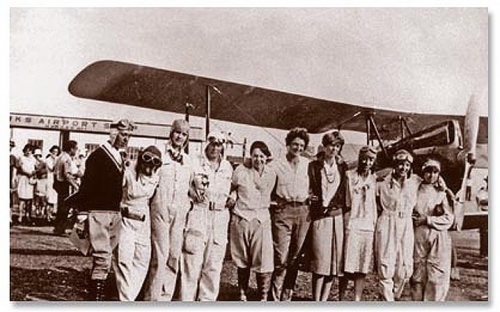
To those of us living in the digital age, the concept that the pilots of an airplane race should be segregated by gender in order to compete seems just like a dictate from Sharia law – but for our great-grandfathers, it made perfect sense. This article is about the Women’s Air Derby of 1929, which had a list of women pilots that read like the Who’s Who of 1920s women aviation.


Amelia Earhart was one of the competitors.

Advertisement

Use shortcode [oma_ad position="summary_top"] (or other position) in your theme or widgets to display OMA Promotions here.

Radar and the Allied Victory (Yank Magazine, 1945)
1945, Weapons and Inventions, Yank Magazine

Radar and the Allied Victory
(Yank Magazine, 1945)

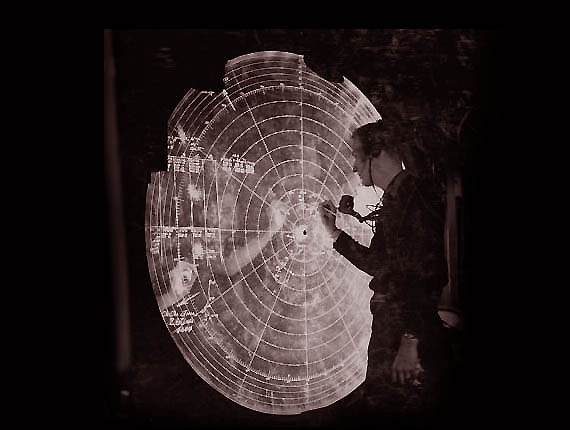
Two months after the Fascists cried uncle and raised their white flag, this article went to press that was filled with two pages-worth of previously classified information as to the important roll that British and American radar played in winning the war. It was 1945 articles like this in which the world finally learned why the German submarine blockade of Britain proved to be so unsuccessful, why the London blitz was such a devastating blow to the Luftwaffe and how the Allied navies succeeded in getting so many convoys across the North Atlantic.

WW2 European Refugees | Hitler's Refugees
1945, Battle of the Bulge, Yank Magazine

Scenes from Bastogne
(Yank Magazine, 1945)

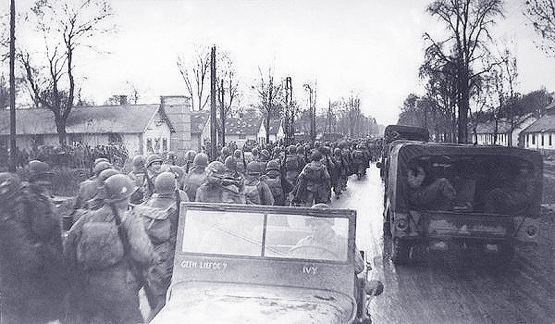
YANK correspondent, Sergeant Ed Cunningham, filed this report concerning all that he saw during the earliest stages of the German counter-attack in Bastogne; some Americans were leaving, some were staying, new ones were arriving – and all the while the Belgian townsfolk watched in confusion and hoped for the best.

Advertisement

Use shortcode [oma_ad position="summary_top"] (or other position) in your theme or widgets to display OMA Promotions here.

Robert Sherwood in Hollywood | Silent Film Critic Robert Sherwood
1922, Life Magazine, Silent Movie History

Robert Sherwood in the Dream Factory
(Life Magazine, 1922)

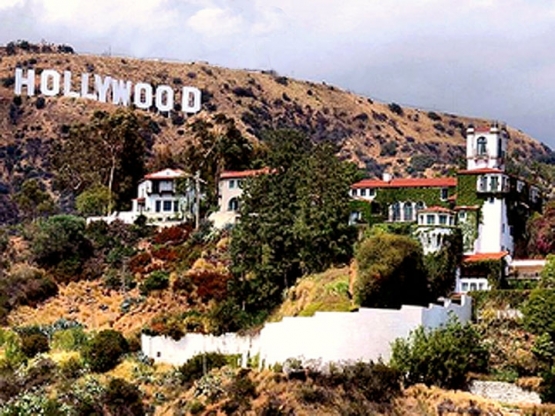
In 1922 former Vanity Fair editor (1919 – 1920) and future Algonquin wit, Robert E. Sherwood (1896 – 1955), taking his job seriously as the film critic for LIFE MAGAZINE, journeyed West to visit the growing movie kingdom of Hollywood. The doors magically opened up for him and he was able to rub elbows with many of the crowned heads of the realm. He filed these eight paragraphs recounting his experiences and observations; you might be amused to read his thoughts concerning the unfinished Hollywood sign.

The article is adorned with cartoons by John Held Jr.. In the world of American 1920s satirical art, he was the gold standard.

Paris Fashions: Nine Months into W.W. I (Vanity Fair Magazine, 1915)
1915, Fashion (WWI), Vanity Fair Magazine

Paris Fashions: Nine Months into W.W. I
(Vanity Fair Magazine, 1915)

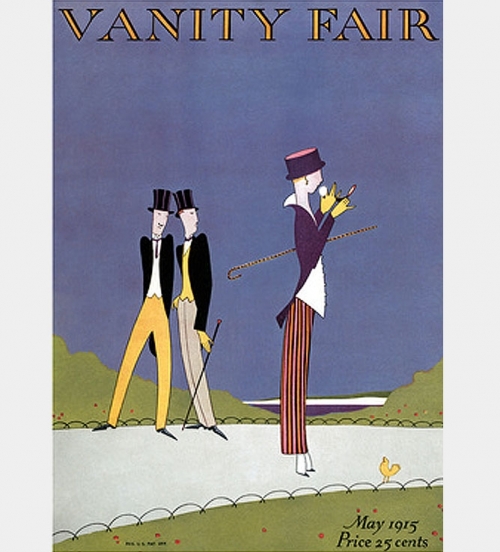
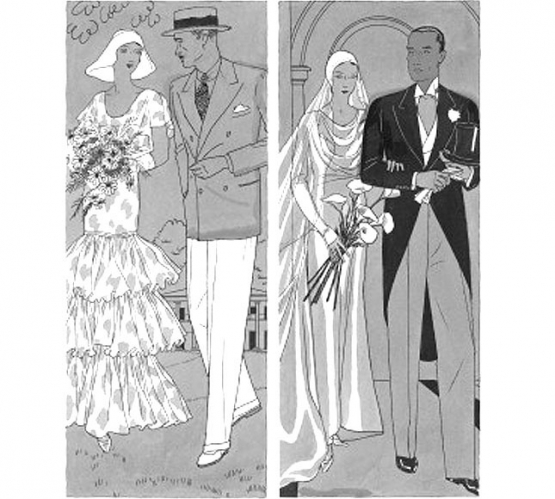
By the Spring of 1915, the women of Paris, having seen that the Great War was not going away anytime soon, decided that it was time to add some gaiety into their wardrobe. Steadily – since the August of the previous year, there had been such bad news and although the rationing of fabric continued, there was still much available for the asking.

Click to read about the U.S. fabric rationing during W.W. II.

Report on the Chinese Army 1950
1950, Pathfinder Magazine, The Korean War

The Invincible Chinese?
(Pathfinder Magazine, 1950)

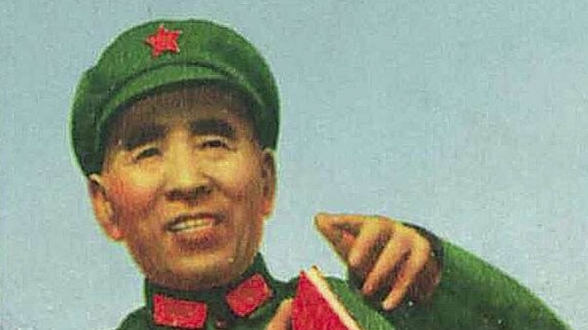
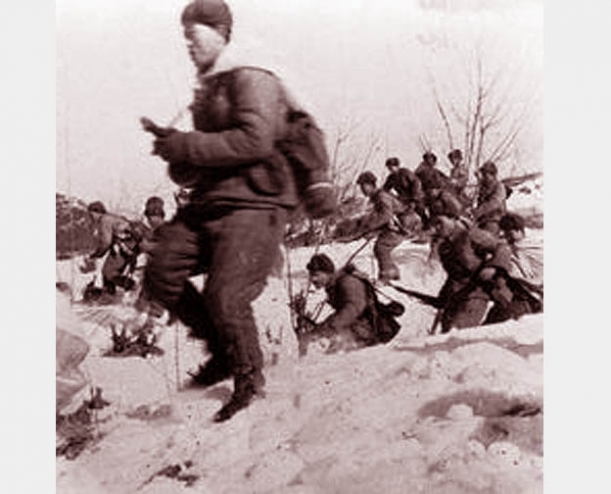
Man, those Chinese are good soldiers… You can’t see ’em; you can’t hear ’em. You don’t know they’re there until they’re on top of you… They’re experts at camouflage and the best damn night-fighters I’ve ever seen. We could walk a company over the hill and see nothing. Then we’d look around and they’d be swarming on us like flies. It was just like they’d sprouted from the ground.

Advertisement

Use shortcode [oma_ad position="summary_top"] (or other position) in your theme or widgets to display OMA Promotions here.

General Bradley on the Chinese Intervention in the Korean War 1950
1950, Pathfinder Magazine, The Korean War

The Critical Situation in Korea
(Pathfinder Magazine, 1950)

Upon hearing the news of the Chinese Army’s appearance on the Korean peninsula, President Truman turned to his trusted advisers:

At 11 a.m. the President spoke first to General Bradley. How bad, he wanted to know, would the casualties be? ‘Very bad, I’m afraid, sir. It is too early for an accurate estimate, but our losses will be heavy.’ Then President asked how serious the situation was. ‘Critical,’ was Bradley’s terse response.

Home Bomb Shelters 1950s | Kidde Kokoon Bomb Shelter
1955, People Today Magazine, The Cold War

The Allure of the Private Bomb Shelter
(People Today Magazine, 1955)

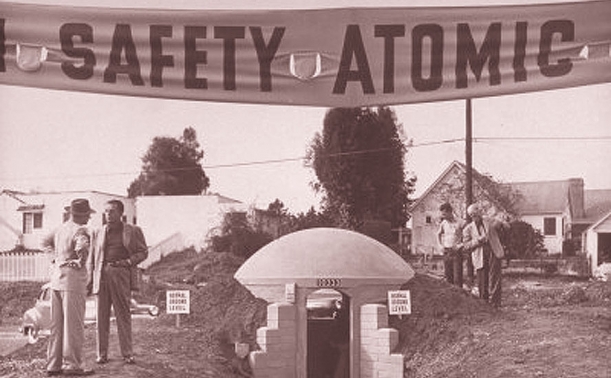
This is a consumer report concerning various bomb shelter plans that were commercially available to the American public in 1955:

The most elaborate of five government-approved home bomb shelters is a combination tunnel and emergency exit in reinforced concrete, extending outward under ground from cellar walls It holds six persons and offers maximum protection from all effects of an atomic explosion… But the FCDA (Federal Civil Defense Administration) also recommends a practical type type that can be put together by any do-it-yourselfer for around $20.00.

Advertisement

Use shortcode [oma_ad position="summary_top"] (or other position) in your theme or widgets to display OMA Promotions here.

Scroll to Top