Author name: editor

The Art of Thomas Hart Benton (Vanity Fair, 1922)
1922, Modern Art, Vanity Fair Hall of Fame

The Art of Thomas Hart Benton
(Vanity Fair, 1922)

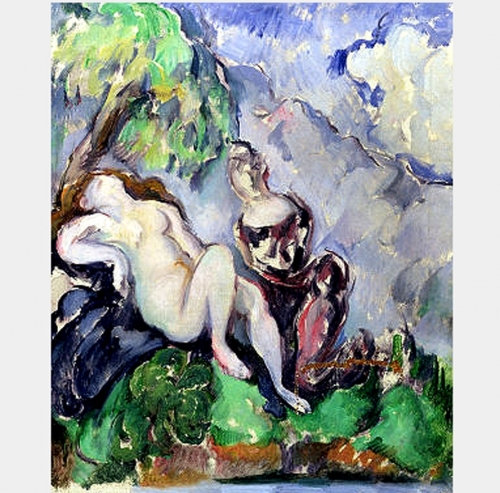
When this profile of the thirty-tree year-old Thomas Hart Benton (1889 – 1975) was published, the painter was not as yet recognized as the eccentric that history remembers him to have been. The anonymous journalist took an enormous interest in understanding Benton’s education and the source of his inspiration.


Click hereto read a 1936 art review regarding the paintings of Grant Wood.

Advertisement

Use shortcode [oma_ad position="summary_top"] (or other position) in your theme or widgets to display OMA Promotions here.

The Army Rangers in Tunisia and Italy (Yank Magazine, 1944)
1944, Army Rangers, Yank Magazine

The Army Rangers in Tunisia and Italy
(Yank Magazine, 1944)

A compelling collection of World War II combat stories involving the 1st, 3rd and 4th Ranger Battalions. Numerous Army Rangers were interviewed for this article and it is an informative read which starts with the formation of the unit taking place just seven months after the U.S. declaration of war (December 8, 1941) and their earliest deployments in North Africa and Italy.

The original outfit, the 1st Ranger Battalion, was activated in Northern Ireland on June 19, 1942, with 600 men selected from more than 2,000 soldiers who had volunteered. Their training was in Scotland, and they had more casualties there than they had on their first African landing. The British Commandos were their instructors.


Read about the hand-to-hand combat training for the Ranger Battalions here…

Advertisement

Use shortcode [oma_ad position="summary_top"] (or other position) in your theme or widgets to display OMA Promotions here.

Levi Strauss and his Denim (Coronet Magazine, 1956)
1956, Coronet Magazine, Men's Fashion

Levi Strauss and his Denim
(Coronet Magazine, 1956)

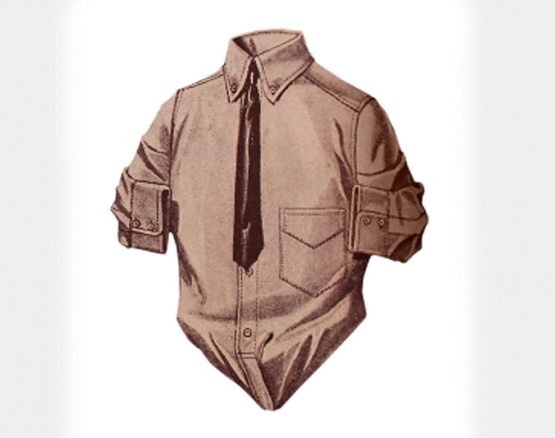
The attached piece was written in the shadows of W.W. II – a time when Levi Strauss’ famous blue jean fabric was not simply being woven for the 12,000,000 souls in the U.S. military, but also the civilian war-workers who donned jean overalls and found them ideal for the heavy, industrial labor that they faced each day.


As if this wasn’t enough to keep the factories of Levi Strauss & Co. humming happily, the American teenagers also discovered blue jeans in the around the same time and have been devoted to them ever since. The author of this article could never have known that the social revolution that made the name Levi a household word all across the globe was only nine years away.


Read About the History of the T-Shirt


An article about 1940s denim can be read here…

Advertisement

Use shortcode [oma_ad position="summary_top"] (or other position) in your theme or widgets to display OMA Promotions here.

Japanese Army Human Rights Abuses
1945, Pathfinder Magazine, Sino-Japanese Wars

Chinese Slave Labor Under The Boot of Japan
(Pathfinder Magazine, 1945)

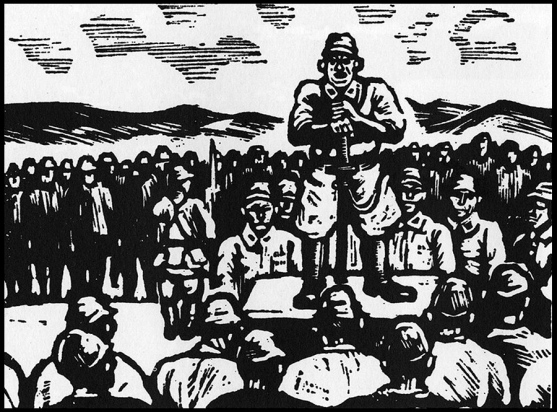
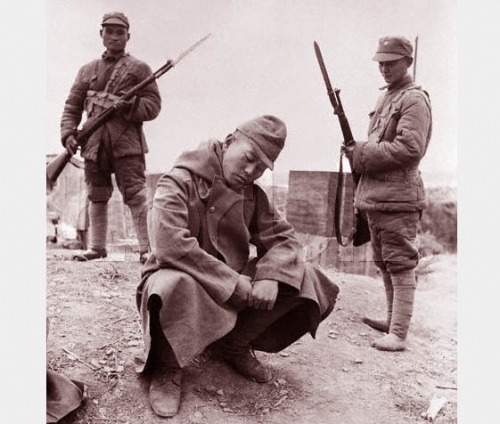
By 1945 the Japanese Army was beginning to see the writing on the wall insofar as their occupation of China was concerned. With the collapse of Germany they knew they could expect the Soviets to attack at any time – this foreboding inspired them to corral greater numbers of hapless Chinese and force them to build barricades in order to postpone the inevitable.

The Policies of King Edward VII (Review of Reviews, 1910)
1910, European Royalty, The American Review of Reviews

The Policies of King Edward VII
(Review of Reviews, 1910)

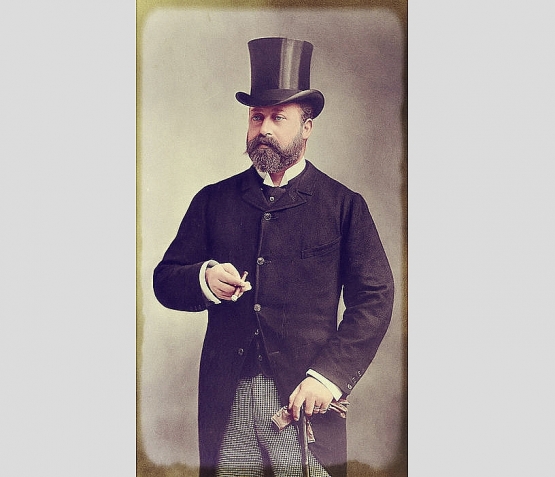
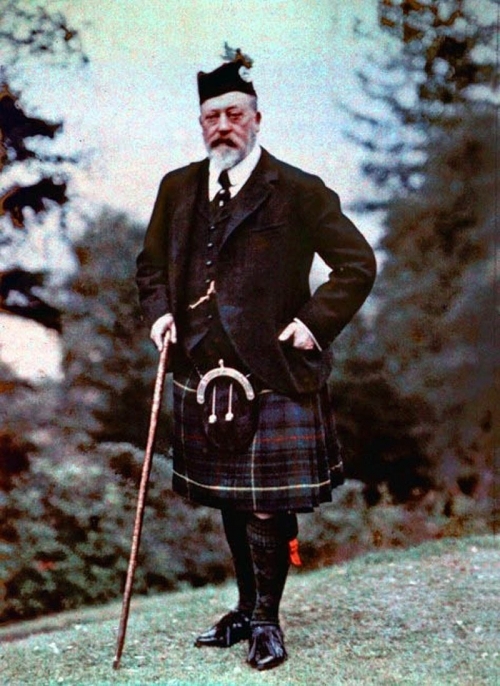
This is a brief English translation of an article that appeared in Deutsch Review by Lord Esher entitled, King Edward VII and Germany. Published during the last year of Edward’s reign, it is plea to prolong that long Indian summer before the war and a declaration of his affection for Germany, the German people and his lasting support for all disarmament treaties.

Advertisement

Use shortcode [oma_ad position="summary_top"] (or other position) in your theme or widgets to display OMA Promotions here.

The Death of Edward VII & the Accession George V (Review of Reviews, 1910)
1910, Prelude, The American Review of Reviews

The Death of Edward VII & the Accession George V
(Review of Reviews, 1910)

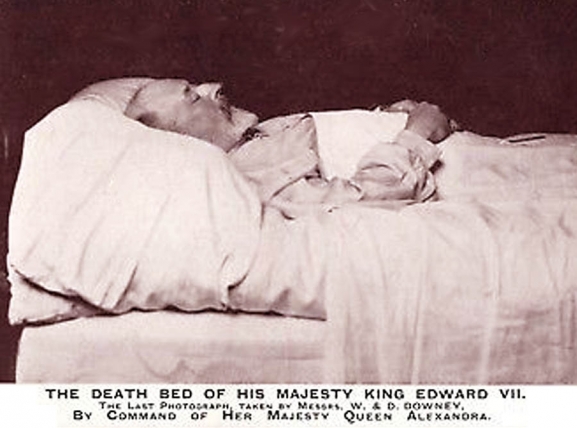
This 1910 article from THE REVIEW OF REVIEWS discusses the probable effect (that) the change of sovereigns will have upon the present so-called constitutional crises [in Britain]. The writer also concentrates on the subject of Edward VII as diplomat, his thoughts concerning Germany and Austria, his general popularity and his unique relationship with the French. The character of the incoming George V is examined as it relates to the constitutional controversy of 1910.

Army Rank Insignia (Privately Printed, 1917)
1917, A Privately Printed Manual, U.S. Army Uniforms of World War One

Army Rank Insignia
(Privately Printed, 1917)

A color illustration of the U.S. Army rank insignia worn by the American Army of World War I. Insignia noted are officer’s bronzed collar and shoulder devices as well as the sleeve chevrons and enlisted-men specialty badges. Excluded are enlisted men’s collar and cap devices. Please bare in mind that this insignia chart was not produced by the army but by civilians; we could only correct the errors that we were able to recognize.

Advertisement

Use shortcode [oma_ad position="summary_top"] (or other position) in your theme or widgets to display OMA Promotions here.

1920 Sport Shoes
1919, Men's Fashion

Shoes for Sport and Leisure
(Sears and Roebuck Catalog, 1919)

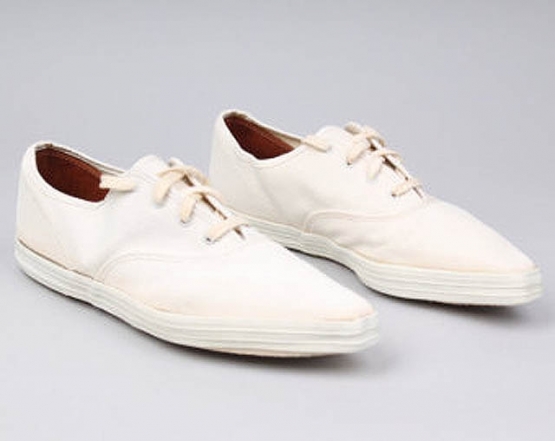
The miracle that was Volcanized Rubber allowed the well-dressed man to maintain his dashing profile even when called to compete in athletics. Two of the oldest surviving examples of a sport shoe that uses this particular style of rubber and has been in continuous production since the twenties and thirties are both made by Converse: one is the Jack Purcell tennis shoe and the other is the black canvas, high-top Chuck Taylor Basketball shoe.

Rest from Battle (Yank Magazine, 1944)
1944, World War Two, Yank Magazine

Rest from Battle
(Yank Magazine, 1944)

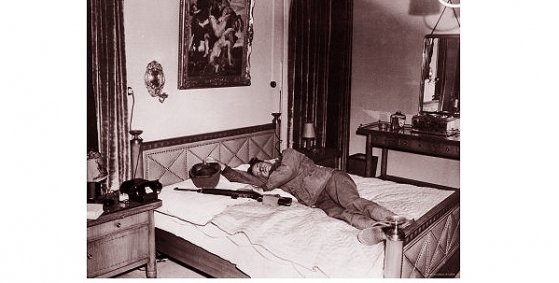
A 1944 YANK article tells the tale about a quiet little spot behind the front line where American GIs were able to enjoy 24 hours of peace before being returned to the meat-grinder:

Sergeant Carmine Daniello, of Brooklyn, New York, smoked a big cigar during the afternoon…he was taking it easy in his own way. He didn’t want to sleep just now. He said, ‘Just sitting around like this is all I want right now.’On the other side of the river it had been so bad…


CLICK HERE… to read one man’s account of his struggle with shell shock…

Advertisement

Use shortcode [oma_ad position="summary_top"] (or other position) in your theme or widgets to display OMA Promotions here.

Scroll to Top