





47 Magazine Articles
Click Magazine Articles
Collier's Magazine Articles
Confederate Veteran Magazine Articles
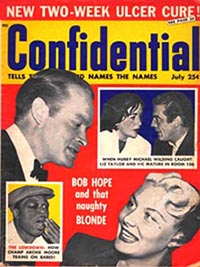
Confidential Magazine Articles
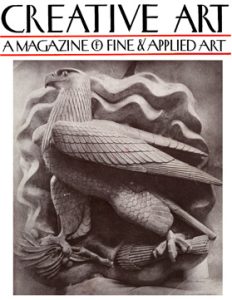
Creative Art Magazine Articles
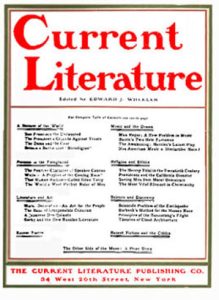
Current Literature Magazine Articles
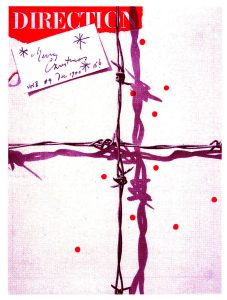
Direction Magazine Articles
Film Daily Magazine Articles
Freedom's Triumph Articles
Harper's Bazaar Magazine Articles
Harper's Weekly Articles
Hearst's Sunday American Articles
Ken Magazine Articles
La Baionnette Articles
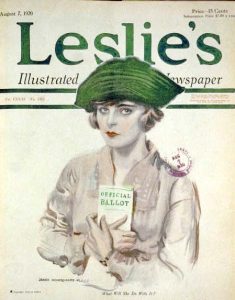
Leslie's Magazine Articles
Liberty Magazine Articles
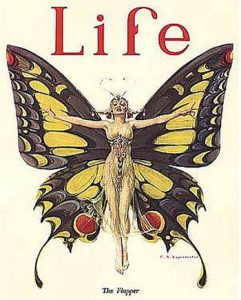
Life Magazine Articles
Men's Wear Magazine Articles
Newsweek Articles
Outing Magazine Articles
Outlook Magazine Articles
People Today Magazine Articles
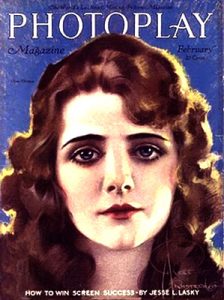
Photoplay Magazine Articles
Pic Magazine Articles
PM Tabloid Articles
Punch Magazine Articles
Rob Wagner's Script Magazine Articles
Scribner's Magazine Articles
Sea Power Magazine Articles
Stage Magazine Articles
The American Legion Monthly Articles
The American Legion Weekly Articles
The Atlantic Monthly Articles
The Dial Magazine Articles
The Film Spectator Magazine Articles
The Flapper Magazine Articles
The National Park Service Articles
The New Republic Articles
The New York Times Articles
The North American Review Articles
The Saturday Evening Post Articles
The Saturday Review Articles
The Smart Set Articles
Theatre Arts Magazine Articles
Touchstone Magazine Articles
Trench Warfare Articles
Vanity Fair Magazine Articles
Vogue Magazine Articles

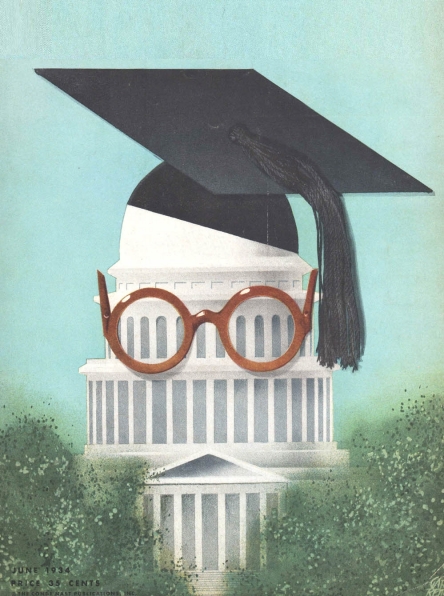
Brain Trust

Governed from
the Faculty Lounge

• New Outlook Magazine, 1934 •


A year and a half into FDR’s first term, journalist William E. Berchtold seized upon one of the softer under-bellies of the New Deal and pointed it out for all to see:

“The lot of the intellectual in politics has never been a particularly happy one, and the current experiment was certain to have its complications.Most of the men taken from universities and colleges to staff the New Deal were minor dignitaries on their own campii. Such men suffer severely from the low public esteem which are held during times of prosperity. The New Deal and it’s Brain Trust raised them to a level occupied ordinarily by men considered their superiors by the general public. It set free long oppressed egos and the most obscure lost no time in seizing the most gaudy places in the limelight. Their extravagant actions were a natural result. They sought to crack down on the Old Order with a sadistic ardor reminiscent of the New England witch-hunters in an earlier reform movement in our history. Such men are not the administrators needed to consider the interests of producer, financier, consumer and worker alike in acting as an imperial referee. It is this realization of the unfitness of many of the professors for such administrative posts which is troubling those who would like to see the notions of government control as provided in the New Deal legislation given a fair test.”


More on FDR’s “Brain Trust” can be read here.


The group that advised FDR on all matters involving the African-American community was popularly known as “the Black Brain Trust”…
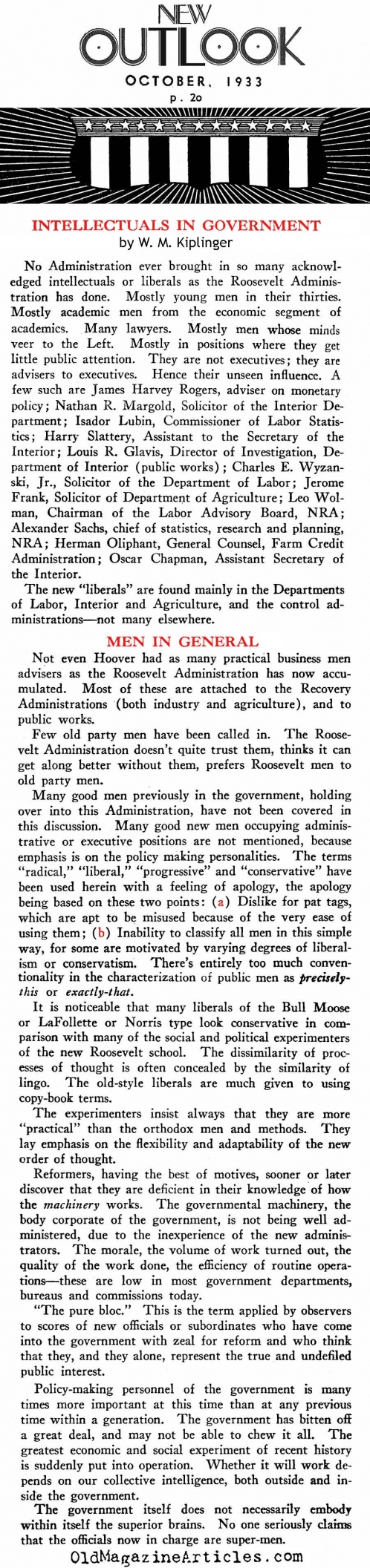

Read The Brain Trusters<br>(New Outlook Magazine, 1934) for Free
FDR View of GovernmentFDR bureaucratic agenciesintellectuals in government

Governed from the Faculty Lounge

Governed from the Faculty Lounge

Governed from the Faculty Lounge

Governed from the Faculty Lounge

Governed from the Faculty Lounge

Governed from the Faculty Lounge

Governed from the Faculty Lounge

Governed from the Faculty Lounge

FDR View of GovernmentFDR bureaucratic agenciesintellectuals in government
Scroll to Top