










47 Magazine Articles
Click Magazine Articles
Collier's Magazine Articles
Confederate Veteran Magazine Articles
Confidential Magazine Articles
Creative Art Magazine Articles
Current Literature Magazine Articles
Direction Magazine Articles
Film Daily Magazine Articles
Freedom's Triumph Articles
G.I. Joe Magazine Articles
Harper's Bazaar Magazine Articles
Harper's Weekly Articles
Hearst's Sunday American Articles
Ken Magazine Articles
La Baionnette Articles
Leslie's Magazine Articles
Liberty Magazine Articles
Life Magazine Articles
Men's Wear Magazine Articles
Newsweek Articles
Outing Magazine Articles
Outlook Magazine Articles
People Today Magazine Articles
Photoplay Magazine Articles
Pic Magazine Articles
PM Tabloid Articles
Punch Magazine Articles
Rob Wagner's Script Magazine Articles
Scribner's Magazine Articles
Sea Power Magazine Articles
Stage Magazine Articles
The American Legion Monthly Articles
The American Legion Weekly Articles
The Atlantic Monthly Articles
The Dial Magazine Articles
The Film Spectator Magazine Articles
The Flapper Magazine Articles
The National Park Service Articles
The New Republic Articles
The New York Times Articles
The North American Review Articles
The Saturday Evening Post Articles
The Saturday Review Articles
The Smart Set Articles
Theatre Arts Magazine Articles
Touchstone Magazine Articles
Trench Warfare Articles
Vanity Fair Magazine Articles
Vogue Magazine Articles

The Cold War

The Republicans & Democrats Debate Reds in the U.S. Government

• Weekly News Review, 1953 •


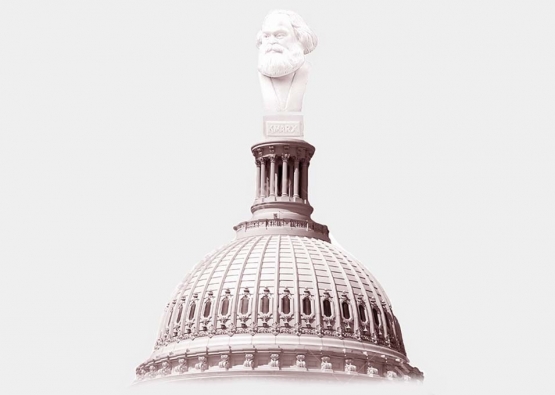
This article makes a passing reference to a Soviet defector who jumped ship in 1937 in order to escape Stalin’s seemingly random purges, his name was General Alexander Barmine (1899 – 1987). In his Readers Digest piece from October, 1944 (the article can be read here) Barmine declared that Soviet spies were rapidly filling up positions within the U.S. Government. His more alarming proclamation was when he wrote that FDR’s administration was protecting them – this implied that Red agents were already perched in the highest positions. When W.W. II ended (along with the Soviet alliance) both political parties in Washington agreed to weed out these moles – but they couldn’t agree as to how deep the infiltration was. The Democrats believed that by 1953 most of the Communists had been found, the Republicans felt otherwise.

We have a few articles about the Communists who worked in government:

Click here to read about U.S. Representative Hugh De Lacy of Seattle, Washington.

Read about Judith Coplon at the Department of Justice.

Read about Alfred Slack who worked at Los Alamos.

Read about Noel Field of the State Department and the OSS.

Read about Mary Jane Keeney at the United Nations.

Although no reference is made in this article concerning his espionage activity on behalf of the Soviets, the most highly placed spy within the U.S. government during the Second World War was FDR’s right-hand-man, Harry Hopkins.

Click here to read about Harry Hopkins close advisor, Alger Hiss.

Read Reds in the Government<br>(Weekly News Review, 1953) for Free
1940s Russian Infiltration of the US Federal Government

The Republicans & Democrats Debate Reds in the U.S. Government

The Republicans & Democrats Debate Reds in the U.S. Government

The Republicans & Democrats Debate Reds in the U.S. Government

The Republicans & Democrats Debate Reds in the U.S. Government

The Republicans & Democrats Debate Reds in the U.S. Government

The Republicans & Democrats Debate Reds in the U.S. Government

The Republicans & Democrats Debate Reds in the U.S. Government

The Republicans & Democrats Debate Reds in the U.S. Government

The Republicans & Democrats Debate Reds in the U.S. Government

The Republicans & Democrats Debate Reds in the U.S. Government

1940s Russian Infiltration of the US Federal Government
Scroll to Top