





















47 Magazine Articles
Click Magazine Articles
Collier's Magazine Articles
Confederate Veteran Magazine Articles
Confidential Magazine Articles
Creative Art Magazine Articles
Current Literature Magazine Articles
Direction Magazine Articles
Film Daily Magazine Articles
Freedom's Triumph Articles
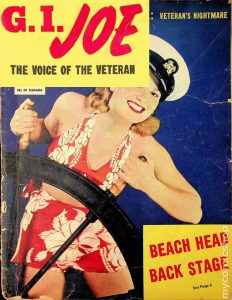
G.I. Joe Magazine Articles
Harper's Bazaar Magazine Articles
Harper's Weekly Articles
Hearst's Sunday American Articles
Ken Magazine Articles
La Baionnette Articles
Leslie's Magazine Articles
Liberty Magazine Articles
Life Magazine Articles
Men's Wear Magazine Articles
Newsweek Articles
Outing Magazine Articles
Outlook Magazine Articles
People Today Magazine Articles
Photoplay Magazine Articles
Pic Magazine Articles
PM Tabloid Articles
Punch Magazine Articles
Rob Wagner's Script Magazine Articles
Scribner's Magazine Articles
Sea Power Magazine Articles
Stage Magazine Articles
The American Legion Monthly Articles
The American Legion Weekly Articles
The Atlantic Monthly Articles
The Dial Magazine Articles
The Film Spectator Magazine Articles
The Flapper Magazine Articles
The National Park Service Articles
The New Republic Articles
The New York Times Articles
The North American Review Articles
The Saturday Evening Post Articles
The Saturday Review Articles
The Smart Set Articles
Theatre Arts Magazine Articles
Touchstone Magazine Articles
Trench Warfare Articles
Vanity Fair Magazine Articles
Vogue Magazine Articles

Poison Gas

Planning the Next Chemical War

• Current Opinion, 1921 •


“As to the effectiveness of phosphorous and thermite against machine-gun nests, there is no recorded instance where our gas troops failed to silence German machine-gun nests once they were located…In the next war, no matter how soon it may occur, a deadly composition called Lewisite will be used with far more devastating effect than that of mustard gas.”


To read this article is to understand what busy bees they must have been over at the U.S. Department of War within that year and a half following the close of the First World War. General Amos A. Fries and the lads attached to the Chemical Warfare Service had been applying much cranium power to all matters involving mustard gas, tear gas, Lewisite and White Phosphorus. Much of the post-war dollar was devoted to making ships impervious to gas attacks, masks and uniforms suited to withstand nerve agents and offensive aircraft capable of deploying chemical bombs.


Click here to read more about gas warfare during the First World War.


Click here to read about the new rules for warfare that were written as a result of the First World War – none of them pertain to poison gas.

Read The Future of War and Chemical Weapons<br>(Current Opinion, 1921) for Free
Chemical Warfare Service US Army gas warfare planningUS Army General Amos A. Fries Chemical Warfare ServiceUS Army plans for poison gas warfare 1921poison gas ww1 US ArmyWW1 poison gas studyWW1 gas warfare studyWW1 chemical warfare studyWW1 mustard gas studyWW1 tear gasWW1 Lewisite gasWW1 White Phosphorus poison gasWW1 effectiveness of phosphorous gasWW1 effectiveness of thermite gas

Planning the Next Chemical War

Planning the Next Chemical War

Chemical Warfare Service US Army gas warfare planningUS Army General Amos A. Fries Chemical Warfare ServiceUS Army plans for poison gas warfare 1921poison gas ww1 US ArmyWW1 poison gas studyWW1 gas warfare studyWW1 chemical warfare studyWW1 mustard gas studyWW1 tear gasWW1 Lewisite gasWW1 White Phosphorus poison gasWW1 effectiveness of phosphorous gasWW1 effectiveness of thermite gas
Scroll to Top