47 Magazine Articles
Click Magazine Articles
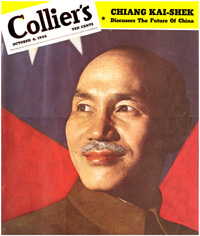
Collier's Magazine Articles
Confederate Veteran Magazine Articles
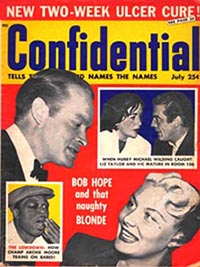
Confidential Magazine Articles
Creative Art Magazine Articles
Current Literature Magazine Articles
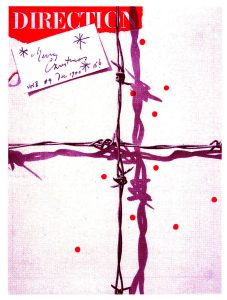
Direction Magazine Articles
Film Daily Magazine Articles
Freedom's Triumph Articles
G.I. Joe Magazine Articles
Harper's Bazaar Magazine Articles
Harper's Weekly Articles
Hearst's Sunday American Articles
Ken Magazine Articles
La Baionnette Articles
Leslie's Magazine Articles
Liberty Magazine Articles
Life Magazine Articles
Men's Wear Magazine Articles
Newsweek Articles
Outing Magazine Articles
Outlook Magazine Articles
People Today Magazine Articles
Photoplay Magazine Articles
Pic Magazine Articles
PM Tabloid Articles
Punch Magazine Articles
Rob Wagner's Script Magazine Articles
Scribner's Magazine Articles
Sea Power Magazine Articles
Stage Magazine Articles
The American Legion Monthly Articles
The American Legion Weekly Articles
The Atlantic Monthly Articles
The Dial Magazine Articles
The Film Spectator Magazine Articles
The Flapper Magazine Articles
The National Park Service Articles
The New Republic Articles
The New York Times Articles
The North American Review Articles
The Saturday Evening Post Articles
The Saturday Review Articles
The Smart Set Articles
Theatre Arts Magazine Articles
Touchstone Magazine Articles
Trench Warfare Articles
Vanity Fair Magazine Articles
Vogue Magazine Articles

War at Sea

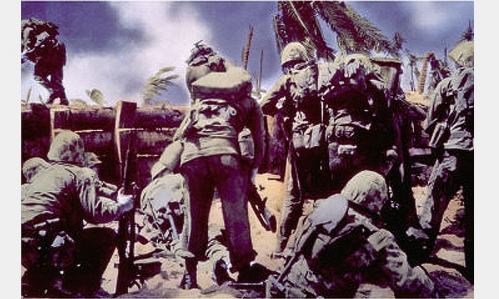
Tarawa to Tokyo with the U.S. Navy

• Dept. of the Navy, 1947 •


Here is a U.S. Navy report written in the post-war era summing up the remarkable roll that naval aviation played throughout the last half of the war with Imperial Japan:

“In the advance across the Central Pacific the carrier task force with it’s extreme flexibility and mobility had been the dominant factor. It established the conditions under which long-range amphibious advances were possible. It never failed to gain command of the air at the required time and place, successively overwhelming the air garrisons not only of the Japanese perimeter but of the major fortresses of Formosa and the Philippines, and maintained command of the air until shore-based air forces could be established.”

You can read about W.W. II carrier warfare here

– from Amazon:

Read The U.S. Navy’s War: Tarawa to Tokyo<br>(Dept. of the Navy, 1947) for Free
World War 2 Pacific Theater articleUS Navy experience during the Tarawa Campaign 1942US Navy fight at Tarawa atoll 1942US Navy WW 2 South Pacific BattleUS Navy Report Concerning WW 2 Pacific TheaterPost War History of US Navy Pacific Theater War 1947Carrier War of World War 2Naval Aviation WW 2US Naval Aviation History during WW2US Naval Aviation Midway Battle 1942Chief of US Naval Operations Report 1947Chief of US Naval Operations Report Regarding War in the PacificChief of US Naval Operations Report Regarding Naval Aviation During WW 2

Tarawa to Tokyo with the U.S. Navy

Tarawa to Tokyo with the U.S. Navy

Tarawa to Tokyo with the U.S. Navy

Tarawa to Tokyo with the U.S. Navy

Tarawa to Tokyo with the U.S. Navy

Tarawa to Tokyo with the U.S. Navy

Tarawa to Tokyo with the U.S. Navy

Tarawa to Tokyo with the U.S. Navy

Tarawa to Tokyo with the U.S. Navy

Tarawa to Tokyo with the U.S. Navy

Tarawa to Tokyo with the U.S. Navy

Tarawa to Tokyo with the U.S. Navy

Tarawa to Tokyo with the U.S. Navy

Tarawa to Tokyo with the U.S. Navy

Tarawa to Tokyo with the U.S. Navy

World War 2 Pacific Theater articleUS Navy experience during the Tarawa Campaign 1942US Navy fight at Tarawa atoll 1942US Navy WW 2 South Pacific BattleUS Navy Report Concerning WW 2 Pacific TheaterPost War History of US Navy Pacific Theater War 1947Carrier War of World War 2Naval Aviation WW 2US Naval Aviation History during WW2US Naval Aviation Midway Battle 1942Chief of US Naval Operations Report 1947Chief of US Naval Operations Report Regarding War in the PacificChief of US Naval Operations Report Regarding Naval Aviation During WW 2
Scroll to Top