







































47 Magazine Articles
Click Magazine Articles
Collier's Magazine Articles
Confederate Veteran Magazine Articles
Confidential Magazine Articles
Creative Art Magazine Articles
Current Literature Magazine Articles
Direction Magazine Articles
Film Daily Magazine Articles
Freedom's Triumph Articles
Harper's Bazaar Magazine Articles
Harper's Weekly Articles
Hearst's Sunday American Articles
Ken Magazine Articles
La Baionnette Articles
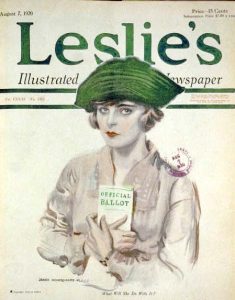
Leslie's Magazine Articles
Liberty Magazine Articles
Life Magazine Articles
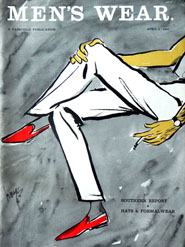
Men's Wear Magazine Articles
Newsweek Articles
Outing Magazine Articles
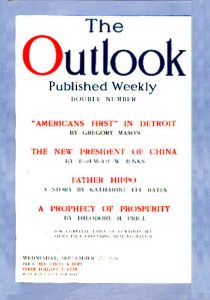
Outlook Magazine Articles
People Today Magazine Articles
Photoplay Magazine Articles
Pic Magazine Articles
PM Tabloid Articles
Punch Magazine Articles
Rob Wagner's Script Magazine Articles
Scribner's Magazine Articles
Sea Power Magazine Articles
Stage Magazine Articles
The American Legion Monthly Articles
The American Legion Weekly Articles
The Atlantic Monthly Articles
The Dial Magazine Articles
The Film Spectator Magazine Articles
The Flapper Magazine Articles
The National Park Service Articles
The New Republic Articles
The New York Times Articles
The North American Review Articles
The Saturday Evening Post Articles
The Saturday Review Articles
The Smart Set Articles
Theatre Arts Magazine Articles
Touchstone Magazine Articles
Trench Warfare Articles
Vanity Fair Magazine Articles
Vogue Magazine Articles

The Great Depression

The Problem
With Mechanization

• Pathfinder Magazine, 1937 •


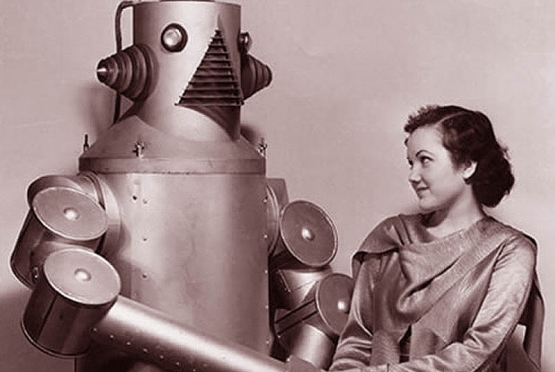
I’m so freakin’ old that I can recall the days when there were elevator operators and gas-pump jockeys. Before this decade is out technology will do away with the need for bank tellers, grocery store cashiers and assembly-line workers – and so it goes: automation marches on. Innovation is the subject of this 1937 article – and the journalist briefly reminisced about a time in Sixteenth Century Danzig when the town elders ordered an inventor strangled, “lest his invention reduce many workers to beggary”; in our age of open markets, that sort of thinking is taboo. But in 1937 there were several innovations afoot that made the economic planners in FDR’s New Deal rather uneasy about the continuing march of unemployment and with that in mind it was deemed suitable that a committee be convened to study the matter. The board of brainiacs called themselves the National Resources Committee and their study was boundless and all encompassing. This article summarizes the findings of one of the organization subcommittees; their 450,000-word report was titled “Technological Trends and National Policy, Including the Social Implications of of New Inventions”. The head of this subcommittee was the famed sociology professor William F. Ogburn, and as the title implied, the report studied the blessing and the curse that is the nature of technological innovation:

“Because ‘inventions create jobs as well as take them away,’ the subcommittee would term invention neither an unmixed bane nor an unmixed blessing. But inventive sciences influence labor, natural resources, human minds and social institutions.”


The inventions they were most curious about were television, plastics, air conditioning, synthetic rubber, synthetic fabrics, prefabricated housing, fax lines, long-distance air travel, automobile trailers and mechanical cotton picking.

Read Understanding Unemployment<br>(Pathfinder Magazine, 1937) for Free
Technological Trends and National Policy Including the Social Implications of of New Inventions 1937New Deal Report on growing unemployment1930s unemployment study financed by US GovernmentUnited States Government report on unemployment causationUnited States Government report on unemployment in the 1930s

The Problem With Mechanization

The Problem With Mechanization

The Problem With Mechanization

The Problem With Mechanization

The Problem With Mechanization

The Problem With Mechanization

The Problem With Mechanization

The Problem With Mechanization

The Problem With Mechanization

Technological Trends and National Policy Including the Social Implications of of New Inventions 1937New Deal Report on growing unemployment1930s unemployment study financed by US GovernmentUnited States Government report on unemployment causationUnited States Government report on unemployment in the 1930s
Scroll to Top