




47 Magazine Articles
Click Magazine Articles
Collier's Magazine Articles
Confederate Veteran Magazine Articles
Confidential Magazine Articles
Creative Art Magazine Articles
Current Literature Magazine Articles
Direction Magazine Articles
Film Daily Magazine Articles
Freedom's Triumph Articles
G.I. Joe Magazine Articles
Harper's Bazaar Magazine Articles
Harper's Weekly Articles
Hearst's Sunday American Articles
Ken Magazine Articles
La Baionnette Articles
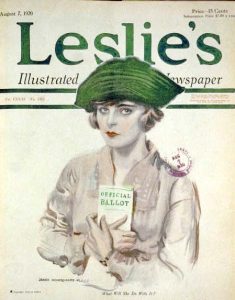
Leslie's Magazine Articles
Liberty Magazine Articles
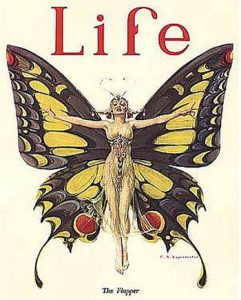
Life Magazine Articles
Men's Wear Magazine Articles
Newsweek Articles
Outing Magazine Articles
Outlook Magazine Articles
People Today Magazine Articles
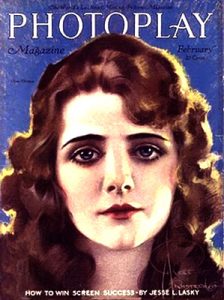
Photoplay Magazine Articles
Pic Magazine Articles
PM Tabloid Articles
Punch Magazine Articles
Rob Wagner's Script Magazine Articles
Scribner's Magazine Articles
Sea Power Magazine Articles
Stage Magazine Articles
The American Legion Monthly Articles
The American Legion Weekly Articles
The Atlantic Monthly Articles
The Dial Magazine Articles
The Film Spectator Magazine Articles
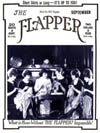
The Flapper Magazine Articles
The National Park Service Articles
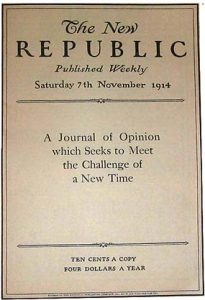
The New Republic Articles
The New York Times Articles
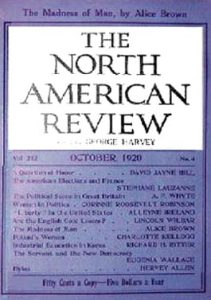
The North American Review Articles
The Saturday Evening Post Articles
The Saturday Review Articles
The Smart Set Articles
Theatre Arts Magazine Articles
Touchstone Magazine Articles
Trench Warfare Articles
Vanity Fair Magazine Articles
Vogue Magazine Articles

Silent Movie History

''The Flickers''

• ''Our Times'', 1936 •


As the sun came up over 1913 America it would find Douglas Fairbanks, the man who would soon be Silent Hollywood’s most favored leading man, wowing the crowds on Broadway. Hawthorne of the U.S.A. starred Fairbanks in the title roll and closed after 72 performances; he was also married to a woman who wasn’t named “Pickford” – but rather named Anna Beth Sully, who had sired his namesake. Life was good for the actor and he wouldn’t turn his gaze West for another two years. By contrast, his future bride, Mary Pickford (né Gladys Smith, 1892 – 1979) had been prancing before the cameras since 1909 and by the time 1913 rolled around had appeared in well-over 100 short films and earned the nickname “Little Mary”.


1913 was also the year that Cecil B. DeMille and Dustin Farnum first stepped onto the dry, manure-strewn streets of Hollywood, California in order to start production on the very first feature-length film, The Squaw Man (you can read about that here). As the attached article makes clear, America was making “moving pictures”, money was being made and heads were turning.

“The craze for ‘Westerns’ was so great that cattlemen suffered a labor problem due to the cowboys trying to get into the ‘movies’.”


CLICK HERE to read an article about 1914 Hollywood.

Read 1913 American Films<br>(”Our Times”, 1936) for Free
popular films of 1913popular film stars of 1913popular culture produced in 1913 Hollywood1913 Hollywood movies of note1913 Hollywood movie stars listedlist of the most popular movie stars of 19131913 movie production in AmericaUSA film production 1913movie theaters in 1913movie theaters in 1913

''The Flickers''

''The Flickers''

popular films of 1913popular film stars of 1913popular culture produced in 1913 Hollywood1913 Hollywood movies of note1913 Hollywood movie stars listedlist of the most popular movie stars of 19131913 movie production in AmericaUSA film production 1913movie theaters in 1913movie theaters in 1913
Scroll to Top