













47 Magazine Articles
Click Magazine Articles
Collier's Magazine Articles
Confederate Veteran Magazine Articles
Confidential Magazine Articles
Creative Art Magazine Articles
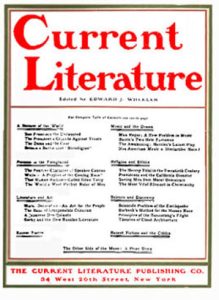
Current Literature Magazine Articles
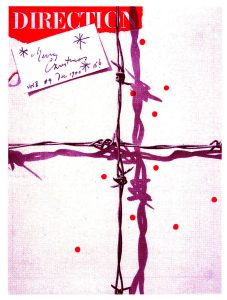
Direction Magazine Articles
Film Daily Magazine Articles
Freedom's Triumph Articles
Harper's Bazaar Magazine Articles
Harper's Weekly Articles
Hearst's Sunday American Articles
Ken Magazine Articles
La Baionnette Articles
Leslie's Magazine Articles
Liberty Magazine Articles
Life Magazine Articles
Men's Wear Magazine Articles
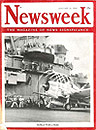
Newsweek Articles
Outing Magazine Articles
Outlook Magazine Articles
People Today Magazine Articles
Photoplay Magazine Articles
Pic Magazine Articles
PM Tabloid Articles
Punch Magazine Articles
Rob Wagner's Script Magazine Articles
Scribner's Magazine Articles
Sea Power Magazine Articles
Stage Magazine Articles
The American Legion Monthly Articles
The American Legion Weekly Articles
The Atlantic Monthly Articles
The Dial Magazine Articles
The Film Spectator Magazine Articles
The Flapper Magazine Articles
The National Park Service Articles
The New Republic Articles
The New York Times Articles
The North American Review Articles
The Saturday Evening Post Articles
The Saturday Review Articles
The Smart Set Articles
Theatre Arts Magazine Articles
Touchstone Magazine Articles
Trench Warfare Articles
Vanity Fair Magazine Articles
Vogue Magazine Articles

POWs

A Tale of Two
Military Cultures

• Newsweek Magazine, 1945 •


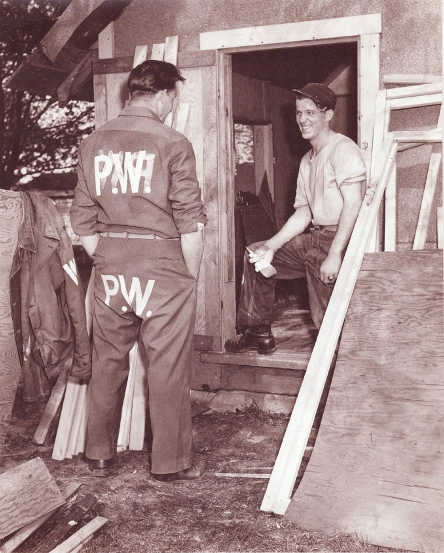
During the closing weeks of the war it was estimated that the Germans lorded over as many as 65,000 American POWs. Likewise, in the United States, there were 320,118 German Prisoners of War held captive. This article compares and contrasts how each army chose to treat their prisoners.

“On the particular point most interesting to the home front -that charge that Nazi POWs are being fed too well – US Army General B.M Bryan told the House Military affairs Committee investigation that originally, when there had been ‘plenty of food’, Nazi POWs were given the same diet as GIs in this country (steak, chicken, ham, etc); that on July 1, 1944, a change in POW menus was authorized ‘in the interest of food conservation’ and that on February 2 of this year a new directive ordered sugar and butter substitutes and no more 4 ounces of meat daily. Because of discretion vested in each service command, ‘mistakes’ had occured, Bryan admitted. Nevertheless, he insisted:”


“We do not coddle prisoners of war but treat them firmly and fairly.”

Read ‘Anger at Nazi Atrocities”<br>(Newsweek Magazine, 1945) for Free
How were prisoners of war treated in WW2How were American POWs treated in Germanywho treated pows worse in ww2How did the US treat POWs in WW2Worst German POW camp in WW2What happened to POWs in ww2Who treated POWs the best in ww2food conservation and rationing at US POW camps

A Tale of TwoMilitary Cultures

A Tale of TwoMilitary Cultures

A Tale of TwoMilitary Cultures

How were prisoners of war treated in WW2How were American POWs treated in Germanywho treated pows worse in ww2How did the US treat POWs in WW2Worst German POW camp in WW2What happened to POWs in ww2Who treated POWs the best in ww2food conservation and rationing at US POW camps
Scroll to Top