


























47 Magazine Articles
Click Magazine Articles
Collier's Magazine Articles
Confederate Veteran Magazine Articles
Confidential Magazine Articles
Creative Art Magazine Articles
Current Literature Magazine Articles
Direction Magazine Articles
Film Daily Magazine Articles
Freedom's Triumph Articles
G.I. Joe Magazine Articles
Harper's Bazaar Magazine Articles
Harper's Weekly Articles
Hearst's Sunday American Articles
Ken Magazine Articles
La Baionnette Articles
Leslie's Magazine Articles
Liberty Magazine Articles
Life Magazine Articles
Men's Wear Magazine Articles
Newsweek Articles
Outing Magazine Articles
Outlook Magazine Articles
People Today Magazine Articles
Photoplay Magazine Articles
Pic Magazine Articles
PM Tabloid Articles
Punch Magazine Articles
Rob Wagner's Script Magazine Articles
Scribner's Magazine Articles
Sea Power Magazine Articles
Stage Magazine Articles
The American Legion Monthly Articles
The American Legion Weekly Articles
The Atlantic Monthly Articles
The Dial Magazine Articles
The Film Spectator Magazine Articles
The Flapper Magazine Articles
The National Park Service Articles
The New Republic Articles
The New York Times Articles
The North American Review Articles
The Saturday Evening Post Articles
The Saturday Review Articles
The Smart Set Articles
Theatre Arts Magazine Articles
Touchstone Magazine Articles
Trench Warfare Articles
Vanity Fair Magazine Articles
Vogue Magazine Articles

World War Two

The Necessity of Signal
Corps Film Footage

• Click Magazine, 1943 •


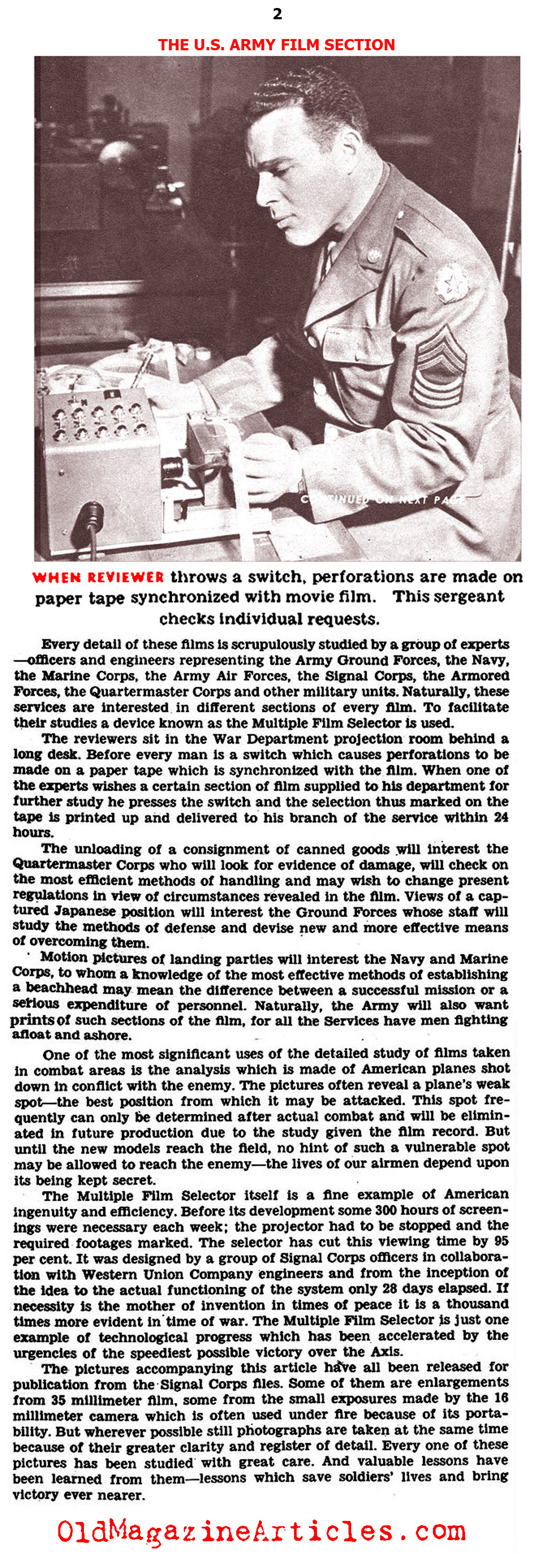
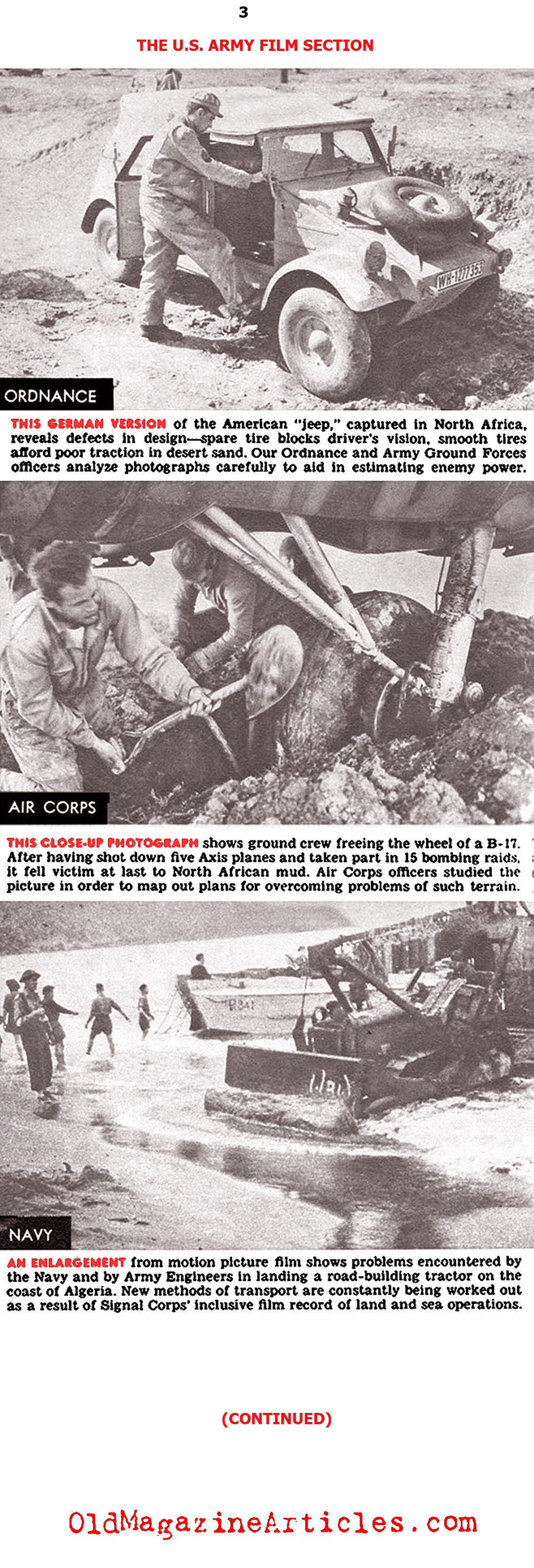
This W.W. II magazine article from Click intended purely for civilian consumption concerned the U.S. Signal Corps and their efforts to film and photograph as much of the war as was possible in order that the brass hats far off to the rear could sit comfortably and understand what was needed. The article is illustrated with six war photographs and the captions explaining what information was gleaned from each:

“Every detail of these films is scrupulously studied by a group of experts, officers and engineers representing the Army Ground Force, the Navy, the Marine Corps, the Army Air Corps, the Signal Corps the Armored Forces, the Quartermaster Corps and other military units. Naturally, these services are interested in different sections of every film. To facilitate their studies, a device known as the Multiple Film Selector is used.”

The Signal Corps Movies of World War I were intended for different uses…


Click here to read a about a particularly persuasive and
highly effective W.W. II training film…
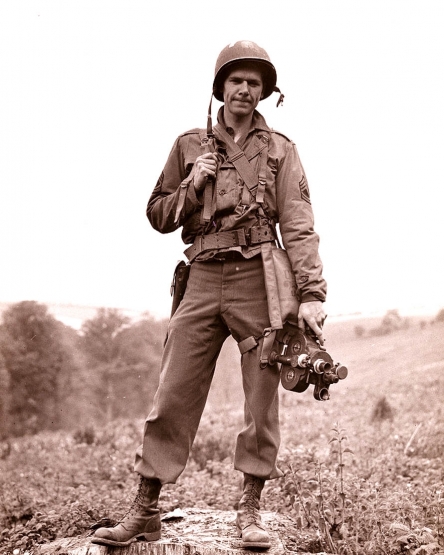


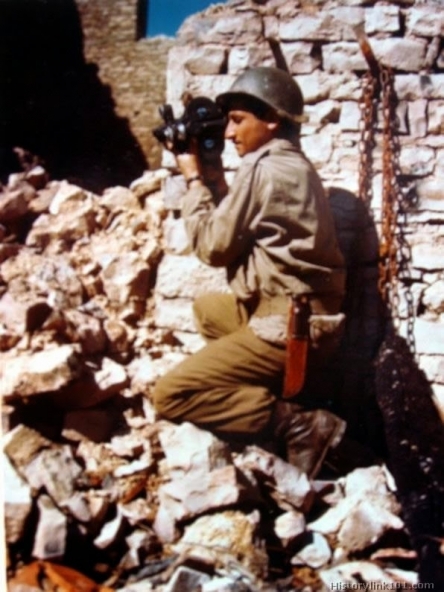
Pictured above is one of the U.S. Army signal corps motion picture camera operators in Europe.
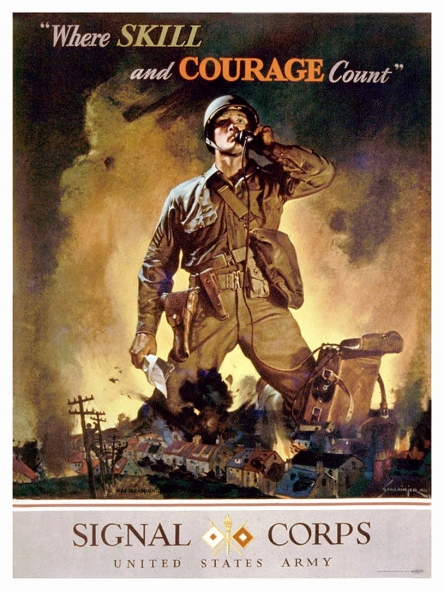


A Signal Corps recruiting poster

Read The Films of the U.S. Army Signal Corps<br>(Click Magazine, 1943) for Free
ww2 U.S. Signal Corps magazine article1943 Signal Corps magazine articleWW2 Films of the US Signal Corpsuses for US Signal Corps movie footageMultiple Film Selector device designed for use by US army signal corps 1943ww2 signal corps film footage usage 1943ww2 signal corps film crews 1943US Army Ground Force learned from Signal Corps films 1943US Navy learned from Signal Corps films 1943US Marine Corps learned from Signal Corps films 1943Army Air Corps learned from Signal Corps films 1943US Quartermaster Corps learned from Signal Corps films 1943

The Necessity of Signal Corps Film Footage

The Necessity of Signal Corps Film Footage

The Necessity of Signal Corps Film Footage

The Necessity of Signal Corps Film Footage

ww2 U.S. Signal Corps magazine article1943 Signal Corps magazine articleWW2 Films of the US Signal Corpsuses for US Signal Corps movie footageMultiple Film Selector device designed for use by US army signal corps 1943ww2 signal corps film footage usage 1943ww2 signal corps film crews 1943US Army Ground Force learned from Signal Corps films 1943US Navy learned from Signal Corps films 1943US Marine Corps learned from Signal Corps films 1943Army Air Corps learned from Signal Corps films 1943US Quartermaster Corps learned from Signal Corps films 1943
Scroll to Top