



















47 Magazine Articles
Click Magazine Articles
Collier's Magazine Articles
Confederate Veteran Magazine Articles
Confidential Magazine Articles
Creative Art Magazine Articles
Current Literature Magazine Articles
Direction Magazine Articles
Film Daily Magazine Articles
Freedom's Triumph Articles
G.I. Joe Magazine Articles
Harper's Bazaar Magazine Articles
Harper's Weekly Articles
Hearst's Sunday American Articles
Ken Magazine Articles
La Baionnette Articles
Leslie's Magazine Articles
Liberty Magazine Articles
Life Magazine Articles
Men's Wear Magazine Articles
Newsweek Articles
Outing Magazine Articles
Outlook Magazine Articles
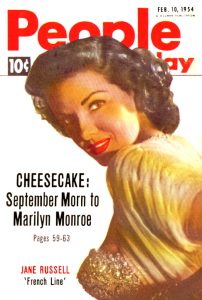
People Today Magazine Articles
Photoplay Magazine Articles
Pic Magazine Articles
PM Tabloid Articles
Punch Magazine Articles
Rob Wagner's Script Magazine Articles
Scribner's Magazine Articles
Sea Power Magazine Articles
Stage Magazine Articles
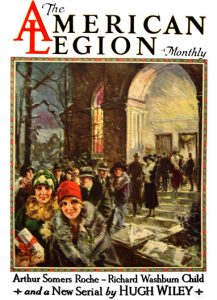
The American Legion Monthly Articles
The American Legion Weekly Articles
The Atlantic Monthly Articles
The Dial Magazine Articles
The Film Spectator Magazine Articles
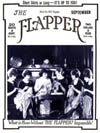
The Flapper Magazine Articles
The National Park Service Articles
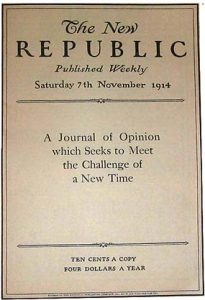
The New Republic Articles
The New York Times Articles
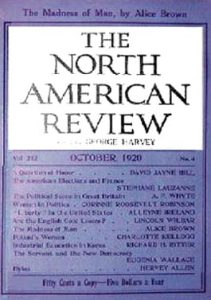
The North American Review Articles
The Saturday Evening Post Articles
The Saturday Review Articles
The Smart Set Articles
Theatre Arts Magazine Articles
Touchstone Magazine Articles
Trench Warfare Articles
Vanity Fair Magazine Articles
Vogue Magazine Articles

Poison Gas

Only Two Percent
of American Gas Casualties Actually Died...

• Literary Digest, 1927 •


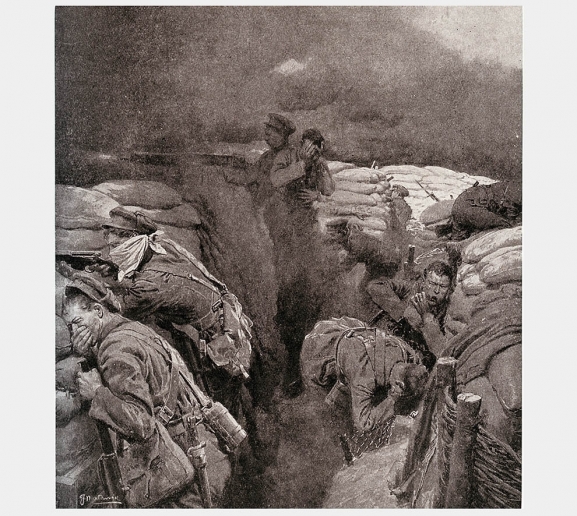
This article from The Literary Digest is a typical 1920s piece of journalism that reconsidered the the concept that chemical warfare is inhumane. Having examined the collected data from the First World War, scientists and soldiers alike were drawing surprising conclusions as to the inefficiency of chemical agents in warfare. No doubt, it was articles such as this that lead to the decision not to use gas in the Second World War:

“Poisonous gas as used in warfare is ‘a blessing, not a curse,’ and makes for the future security and peace of the world, declares J.E. Mills, of the U.S. Chemical Warfare Service…Theoretically one ton of mustard gas could kill 45,000,000 men. Actually one ton of mustard gas as used at the front caused about twenty-nine casualties, of which one died.”

“Is gas warfare inhumane? All warfare is inhumane and barbarous, but the facts are that 2 percent of American gas casualties died, while more than 24 percent of American battle casualties died.”

Click here to read more about gas warfare during World War One.

Click here to read about the new rules for warfare that were written as a result of the First World War – none of them pertain to poison gas.

Read The Blessings of Poison Gas<br>(Literary Digest, 1927) for Free
effects of gas in ww1poison gas in ww1 was ineffectivepoison gas warfare is not inhumaneJE Mills of the US Chemical Warfare Servicewhy didn't germans use gas in ww2pro-gas argumenthow many americans were killed with poison gas in WW1

Only Two Percent[br] of American Gas Casualties Actually Died...

Only Two Percent[br] of American Gas Casualties Actually Died...

effects of gas in ww1poison gas in ww1 was ineffectivepoison gas warfare is not inhumaneJE Mills of the US Chemical Warfare Servicewhy didn't germans use gas in ww2pro-gas argumenthow many americans were killed with poison gas in WW1
Scroll to Top