










47 Magazine Articles
Click Magazine Articles
Collier's Magazine Articles
Confederate Veteran Magazine Articles
Confidential Magazine Articles
Creative Art Magazine Articles
Current Literature Magazine Articles
Direction Magazine Articles
Film Daily Magazine Articles
Freedom's Triumph Articles
G.I. Joe Magazine Articles
Harper's Bazaar Magazine Articles
Harper's Weekly Articles
Hearst's Sunday American Articles
Ken Magazine Articles
La Baionnette Articles
Leslie's Magazine Articles
Liberty Magazine Articles
Life Magazine Articles
Men's Wear Magazine Articles
Newsweek Articles
Outing Magazine Articles
Outlook Magazine Articles
People Today Magazine Articles
Photoplay Magazine Articles
Pic Magazine Articles
PM Tabloid Articles
Punch Magazine Articles
Rob Wagner's Script Magazine Articles
Scribner's Magazine Articles
Sea Power Magazine Articles
Stage Magazine Articles
The American Legion Monthly Articles
The American Legion Weekly Articles
The Atlantic Monthly Articles
The Dial Magazine Articles
The Film Spectator Magazine Articles
The Flapper Magazine Articles
The National Park Service Articles
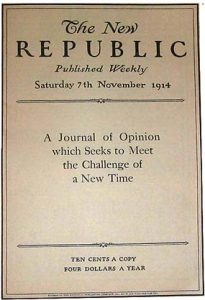
The New Republic Articles
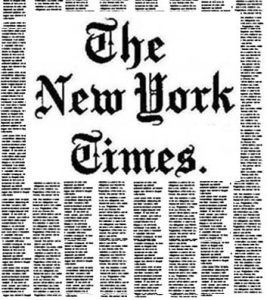
The New York Times Articles
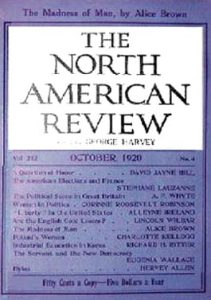
The North American Review Articles
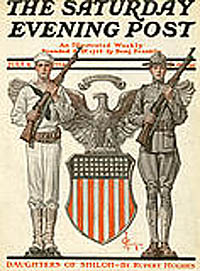
The Saturday Evening Post Articles
The Saturday Review Articles
The Smart Set Articles
Theatre Arts Magazine Articles
Touchstone Magazine Articles
Trench Warfare Articles
Vanity Fair Magazine Articles
Vogue Magazine Articles

Siberian Expedition

''I Was There''

• Collier's Magazine, 1951 •


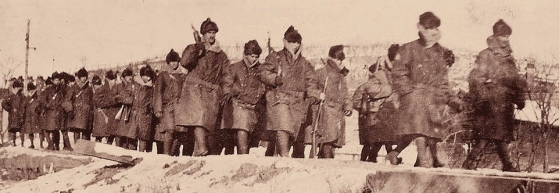
With America and her allies engaged in bitter fighting on the Korean peninsula against a Soviet client state, U.S. Army Major General Edward E. MacMorland recalled his experiences some forty-odd years earlier when he was a field grade officer fighting the nascent Soviet Army:

“It was a tough and surprisingly well-equipped enemy that our soldiers faced in this region: the 6th Bolshevik Army, which – although varying in strength from month to month (and almost from week-to-week) never fell below 16,000 men, or slightly more than the Allies could muster at their peak strength. The Communists operated in small companies of about 80 men, most of them draftees (it was join or be shot, Red prisoners told us).”

“Not only was their equipment as good as ours, but frequently their artillery was better, numerically, anyhow. It was manned by well-trained Germans, either forced into service or serving voluntarily. On the whole, the Red morale appeared to be good. Their troops at the front were relieved every two days when the Bolsheviks could afford it; if not, whenever it was possible.”

– from Amazon:

Why Did We Go to Russia? by Harry Costello

Read ‘Our First War With The Russians”<br>(Collier’s Magazine, 1951) for Free
memories of the ww1 polar bear expedition 1918-1919US Army in Siberia 1918US Army Major General Edward E. MacMorland recalled his experiences fighting the Soviets in Siberia 1918americans fighting soviet army in Siberia 1918

''I Was There''

''I Was There''

''I Was There''

''I Was There''

''I Was There''

''I Was There''

''I Was There''

''I Was There''

''I Was There''

''I Was There''

memories of the ww1 polar bear expedition 1918-1919US Army in Siberia 1918US Army Major General Edward E. MacMorland recalled his experiences fighting the Soviets in Siberia 1918americans fighting soviet army in Siberia 1918
Scroll to Top