









47 Magazine Articles
Click Magazine Articles
Collier's Magazine Articles
Confederate Veteran Magazine Articles
Confidential Magazine Articles
Creative Art Magazine Articles
Current Literature Magazine Articles
Direction Magazine Articles
Film Daily Magazine Articles
Freedom's Triumph Articles
G.I. Joe Magazine Articles
Harper's Bazaar Magazine Articles
Harper's Weekly Articles
Hearst's Sunday American Articles
Ken Magazine Articles
La Baionnette Articles
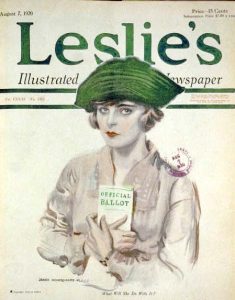
Leslie's Magazine Articles
Liberty Magazine Articles
Life Magazine Articles
Men's Wear Magazine Articles
Newsweek Articles
Outing Magazine Articles
Outlook Magazine Articles
People Today Magazine Articles
Photoplay Magazine Articles
Pic Magazine Articles
PM Tabloid Articles
Punch Magazine Articles
Rob Wagner's Script Magazine Articles
Scribner's Magazine Articles
Sea Power Magazine Articles
Stage Magazine Articles
The American Legion Monthly Articles
The American Legion Weekly Articles
The Atlantic Monthly Articles
The Dial Magazine Articles
The Film Spectator Magazine Articles
The Flapper Magazine Articles
The National Park Service Articles
The New Republic Articles
The New York Times Articles
The North American Review Articles
The Saturday Evening Post Articles
The Saturday Review Articles
The Smart Set Articles
Theatre Arts Magazine Articles
Touchstone Magazine Articles
Trench Warfare Articles
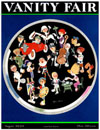
Vanity Fair Magazine Articles
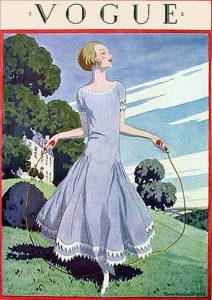
Vogue Magazine Articles

Aftermath (WWI)

The Disenchanted Twenties

• The Independent, 1920 •


“Our stock of idealism has temporarily run low and a mood of cynicism has replaced the devoted enthusiasm of 1918…Without enthusiasm nothing worthwhile is ever done, and thus in the long run the idealist is the only practical man. The mood of cynicism, of indifference of ‘don’t care’ is the mood of death; it is literally the work of Mephistopheles, the Spirit of Denial.”

The quote posted above is a segment from the attached 1920 article by one writer who recognized that the modern era that was ushered in following the end of the Great War was lacking in hope and enthusiasm. It was a period of both bitter disillusionment and visionary progress. Morbid symptoms emerged simultaneously from the decay of World War I. In Europe disenchanted voters flocked to Communism and fascism, forming political parties based on violence and revenge that presaged the horror of next world war. The writer was one of many to realize that the legacy of the First World War was disillusionment and cynicism.

Read a related article from 1923…

From Amazon:

Read Post-W.W. I Society and the New Spirit of the Twenties<br>(The Independent, 1920) for Free
1920s new attitude of Disillusionnew attitude of Jazz Age1920s Era of Disillusionnew attitude of the 1920snew attitude after WW1new attitude post-wwiPost-WW1 Attitude ChangesCynicism of the TwentiesDisillusion in Modernism eraJazz Age and disillusionment1920s Era of DisillusionPost-World War One Angst and DisillusionPost-World War One AttitudePost-World War One Culture of cynicismPost-World War One Disillusioned cynicismNew Spirit Following World War Western Nations

The Disenchanted Twenties

The Disenchanted Twenties

1920s new attitude of Disillusionnew attitude of Jazz Age1920s Era of Disillusionnew attitude of the 1920snew attitude after WW1new attitude post-wwiPost-WW1 Attitude ChangesCynicism of the TwentiesDisillusion in Modernism eraJazz Age and disillusionment1920s Era of DisillusionPost-World War One Angst and DisillusionPost-World War One AttitudePost-World War One Culture of cynicismPost-World War One Disillusioned cynicismNew Spirit Following World War Western Nations
Scroll to Top