



























47 Magazine Articles
Click Magazine Articles
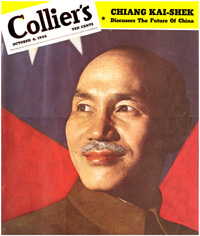
Collier's Magazine Articles
Confederate Veteran Magazine Articles
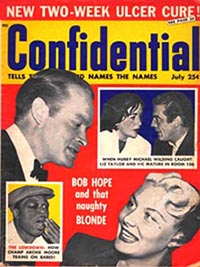
Confidential Magazine Articles
Creative Art Magazine Articles
Current Literature Magazine Articles
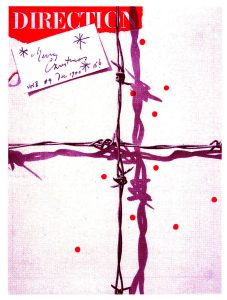
Direction Magazine Articles
Film Daily Magazine Articles
Freedom's Triumph Articles
G.I. Joe Magazine Articles
Harper's Bazaar Magazine Articles
Harper's Weekly Articles
Hearst's Sunday American Articles
Ken Magazine Articles
La Baionnette Articles
Leslie's Magazine Articles
Liberty Magazine Articles
Life Magazine Articles
Men's Wear Magazine Articles
Newsweek Articles
Outing Magazine Articles
Outlook Magazine Articles
People Today Magazine Articles
Photoplay Magazine Articles
Pic Magazine Articles
PM Tabloid Articles
Punch Magazine Articles
Rob Wagner's Script Magazine Articles
Scribner's Magazine Articles
Sea Power Magazine Articles
Stage Magazine Articles
The American Legion Monthly Articles
The American Legion Weekly Articles
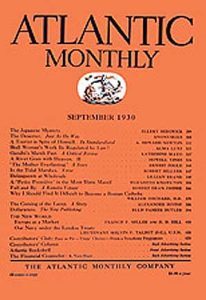
The Atlantic Monthly Articles
The Dial Magazine Articles
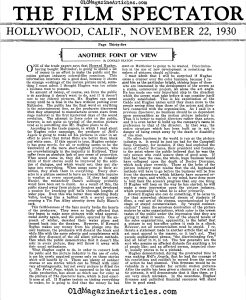
The Film Spectator Magazine Articles
The Flapper Magazine Articles
The National Park Service Articles
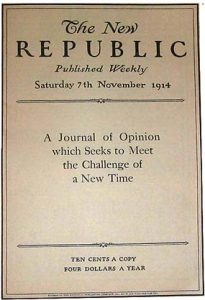
The New Republic Articles
The New York Times Articles
The North American Review Articles
The Saturday Evening Post Articles
The Saturday Review Articles
The Smart Set Articles
Theatre Arts Magazine Articles
Touchstone Magazine Articles
Trench Warfare Articles
Vanity Fair Magazine Articles
Vogue Magazine Articles

African-American History

The Social Meaning
of Lighter Skin Color

• Literary Digest, 1922 •


The varying shades of skin color found among African-Americans has been, and still is, a sensitive topic, and it was addressed in 1922 with some wit by an African-American journalist.


The attached article is good deal of fun to read and speaks of a social structure that, we prefer to think, is gone with the wind. Words appear in this article that seem queer to us in the digital age; there is much talk of

yellow gals”
“golden-skinned slave girls”
“tawny-skinned maids”
“midnight”
“stove-pipe

-all originating from African-American verses and songs. The author of this digest summed up the topic just so:

“Like all indications of caste, they require some tradition and enough of a leisure class or a class having genteel employment to entertain itself. A little more race pride is the remedy.”


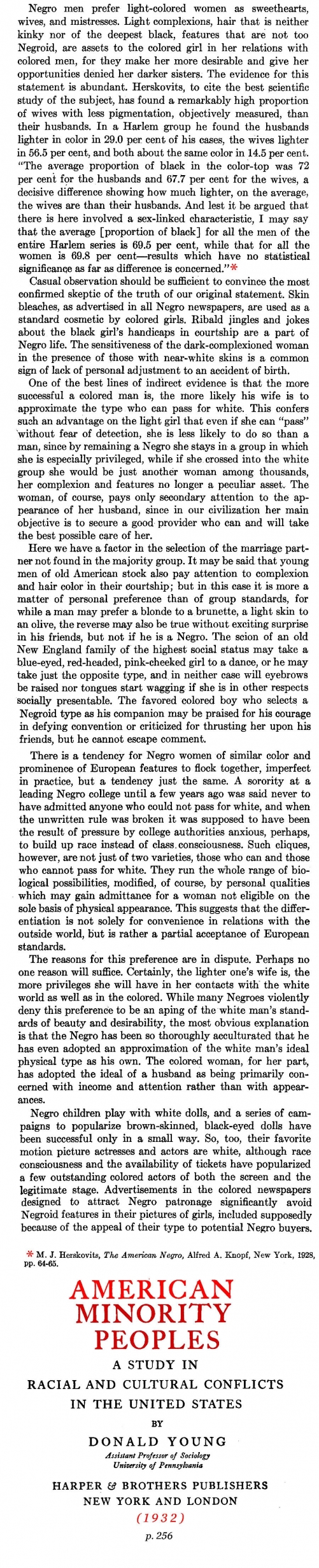
Posted below are the sociological observations of Donald Young as they appeared in his study (available at Amazon), American Minority Peoples (1932):


Click here to read about black women who pass for white.

Read Social Differences Among the Lighter Skinned and Darker Skinned Blacks<br>(Literary Digest, 1922) for Free
lighter-skinned African-Americans and Darker-skinned African Americans compared 1922color terminology for raceAfrican American CultureAfrican American FriendshipSocial Meaning of Lighter Skin ColorOline LibrarySkin Colors of African AmericansAmerican Caste SystemAfrican-American Caste SystemAfrican American Skin Color HierarchyLight Skinned African American Dark Skinned African AmericanSkin Color in America 1922Light Skinned Blacks Dark Skinned Blacks 1922

The Social Meaning of Lighter Skin Color

The Social Meaning of Lighter Skin Color

The Social Meaning of Lighter Skin Color

The Social Meaning of Lighter Skin Color

lighter-skinned African-Americans and Darker-skinned African Americans compared 1922color terminology for raceAfrican American CultureAfrican American FriendshipSocial Meaning of Lighter Skin ColorOline LibrarySkin Colors of African AmericansAmerican Caste SystemAfrican-American Caste SystemAfrican American Skin Color HierarchyLight Skinned African American Dark Skinned African AmericanSkin Color in America 1922Light Skinned Blacks Dark Skinned Blacks 1922
Scroll to Top