




























47 Magazine Articles
Click Magazine Articles
Collier's Magazine Articles
Confederate Veteran Magazine Articles
Confidential Magazine Articles
Creative Art Magazine Articles
Current Literature Magazine Articles
Direction Magazine Articles
Film Daily Magazine Articles
Freedom's Triumph Articles
G.I. Joe Magazine Articles
Harper's Bazaar Magazine Articles
Harper's Weekly Articles
Hearst's Sunday American Articles
Ken Magazine Articles
La Baionnette Articles
Leslie's Magazine Articles
Liberty Magazine Articles
Life Magazine Articles
Men's Wear Magazine Articles
Newsweek Articles
Outing Magazine Articles
Outlook Magazine Articles
People Today Magazine Articles
Photoplay Magazine Articles
Pic Magazine Articles
PM Tabloid Articles
Punch Magazine Articles
Rob Wagner's Script Magazine Articles
Scribner's Magazine Articles
Sea Power Magazine Articles
Stage Magazine Articles
The American Legion Monthly Articles
The American Legion Weekly Articles
The Atlantic Monthly Articles
The Dial Magazine Articles
The Film Spectator Magazine Articles
The Flapper Magazine Articles
The National Park Service Articles
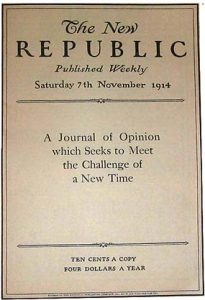
The New Republic Articles
The New York Times Articles
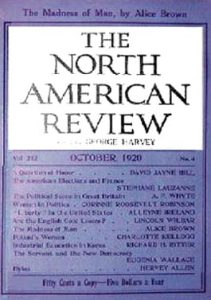
The North American Review Articles
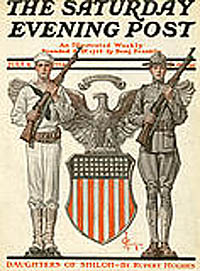
The Saturday Evening Post Articles
The Saturday Review Articles
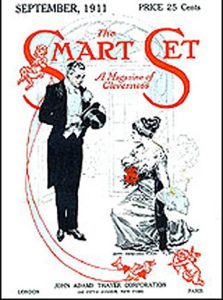
The Smart Set Articles
Theatre Arts Magazine Articles
Touchstone Magazine Articles
Trench Warfare Articles
Vanity Fair Magazine Articles
Vogue Magazine Articles

Suburbia

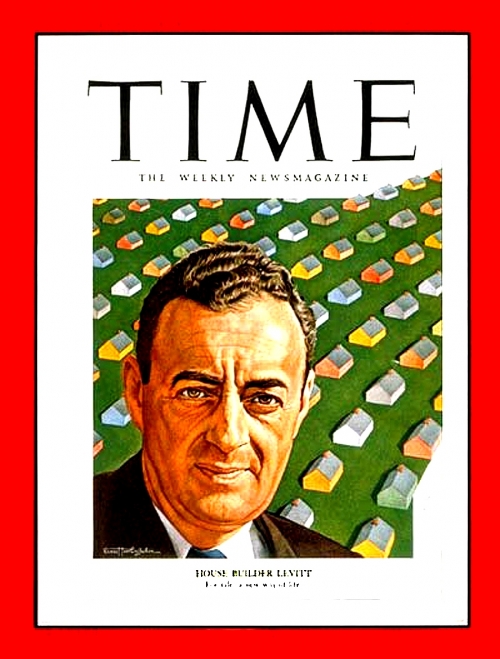
William J. Levitt

• Pageant Magazine, 1952 •


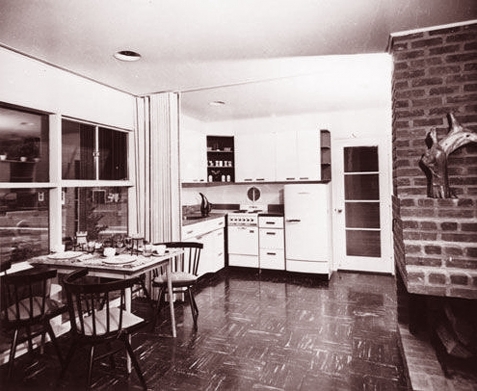
In the mid-Forties the American cognoscenti believed that modernism’s day in America had arrived at last – convinced that the modernist vision of “worker’s housing” for the masses would multiply throughout the fruited plane, creating a wiser and more equitable nation. Wishing to tip the scale in the favor of these brainiacs, the Museum of Modern Art launched the exhibit
Tomorrow’s Small House. But instead, something else happened, an event that involved structures that were built to loosely resemble houses found on a western ranch or a New England farm! Author Russell Lynes wrote clearly about this phenomenon in his book, The Tastemakers (1949):


“Hundreds and then thousands of almost identical houses began to spread out over a 1,400-acre tract of land on Long Island. In 1947 William J. Levitt started to build Levittown, and by [1950] he was putting up houses at a rate of 150 a week until he had completed 6,000 of them.”


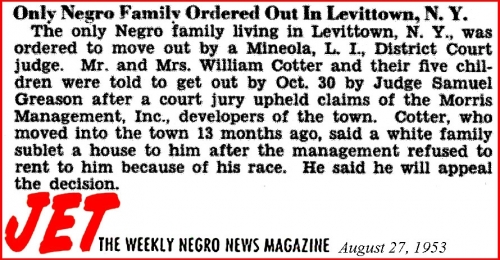
By 1954 there were 70,000 people living there, and more on the way. Levitt built similar tracts in other locales while hundreds of admiring and like-minded real estate developers across North America followed suit, all of them applying the same building principles learned during the W.W. II housing crises: prefabricated domestic structures made in a factory and then hastily erected on site.


EUREKA! the great American suburb had been born – but what became of the “worker’s housing”? These, too, were built, but in time they came to be known as “the projects”; despised by their “inmates” many have been demolished by now.
The affluence of the Fifties brought with it a need for new how-to books and grander fashions. Read about it here…


From Amazon:


Read Levittown: The Birth of the Modern Suburb<br>(Pageant Magazine, 1952) for Free
1950 s prefab housing popularitylevitt home builders1940s home styles1940s suburban house styles1940s home design1940s design style1950s house styles1950s suburban house styles1940 home stylesmid century home designLevittown housesLevittown historyLevittown founder william j levitLevittown newspaper articleLevittown magazine articleLevittown prefab housing innovationwilliam j levit biopost wwii housingbirth of modern suburbs1950s consumerism1950s economic boomlevitt and sons builders

William J. Levitt

William J. Levitt

William J. Levitt

William J. Levitt

William J. Levitt

1950 s prefab housing popularitylevitt home builders1940s home styles1940s suburban house styles1940s home design1940s design style1950s house styles1950s suburban house styles1940 home stylesmid century home designLevittown housesLevittown historyLevittown founder william j levitLevittown newspaper articleLevittown magazine articleLevittown prefab housing innovationwilliam j levit biopost wwii housingbirth of modern suburbs1950s consumerism1950s economic boomlevitt and sons builders
Scroll to Top