

47 Magazine Articles
Click Magazine Articles
Collier's Magazine Articles
Confederate Veteran Magazine Articles
Confidential Magazine Articles
Creative Art Magazine Articles
Current Literature Magazine Articles
Direction Magazine Articles
Film Daily Magazine Articles
Freedom's Triumph Articles
G.I. Joe Magazine Articles
Harper's Bazaar Magazine Articles
Harper's Weekly Articles
Hearst's Sunday American Articles
Ken Magazine Articles
La Baionnette Articles
Leslie's Magazine Articles
Liberty Magazine Articles
Life Magazine Articles
Men's Wear Magazine Articles
Newsweek Articles
Outing Magazine Articles
Outlook Magazine Articles
People Today Magazine Articles
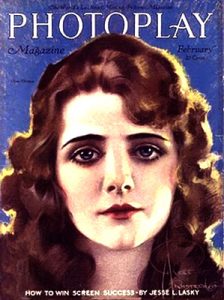
Photoplay Magazine Articles
Pic Magazine Articles
PM Tabloid Articles
Punch Magazine Articles
Rob Wagner's Script Magazine Articles
Scribner's Magazine Articles
Sea Power Magazine Articles
Stage Magazine Articles
The American Legion Monthly Articles
The American Legion Weekly Articles
The Atlantic Monthly Articles
The Dial Magazine Articles
The Film Spectator Magazine Articles
The Flapper Magazine Articles
The National Park Service Articles
The New Republic Articles
The New York Times Articles
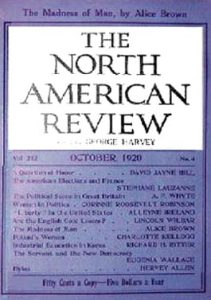
The North American Review Articles
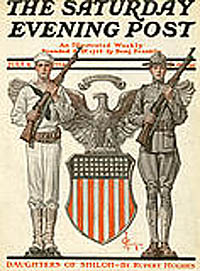
The Saturday Evening Post Articles
The Saturday Review Articles
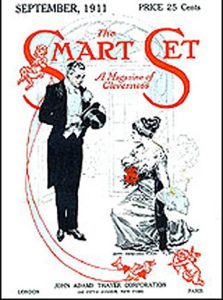
The Smart Set Articles
Theatre Arts Magazine Articles
Touchstone Magazine Articles
Trench Warfare Articles
Vanity Fair Magazine Articles
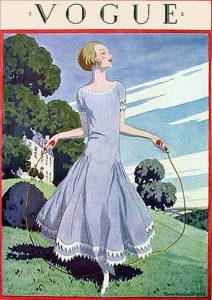
Vogue Magazine Articles

World War One

War Correspondent Philip Gibbs

• The Literary Digest, 1917 •


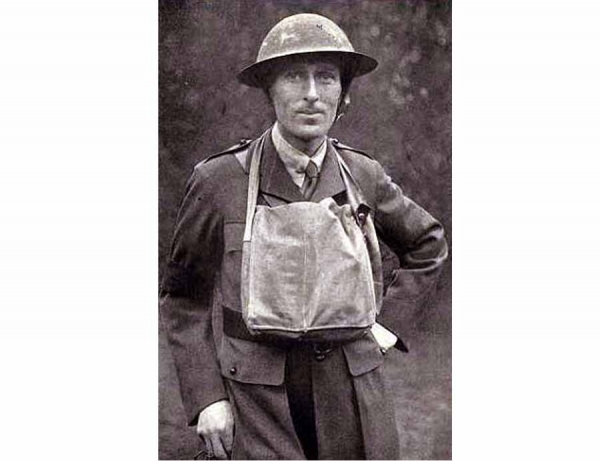
Attached are two articles from 1917 heaping praise upon the laurelled cranium of the British war correspondent Philip Gibbs (1877 – 1962). Having written diligently for the readers of the Daily Mail and Daily Chronicle, who were also anticipating his book The Battle of the Somme (1917), Gibbs was “admitted” to the Vanity Fair “Hall of Fame” (for whatever that was worth):

“He has been able to bring the wide, modern, romantic outlook to bear in his survey and analysis of fighting and the conditions of fighting”…He is a war-correspondent of a ‘new dispensation’, giving ‘not a realistic or a melodramatic vision of war, but a naturalistic vision'”.

At the close of hostilities in 1918, Philip Gibbs was filled with disgust concerning his cooperation with the censors and would begin writing Now it Can Be Told (1920), in which he angrily names the bunglers in command and admits that he wrote lies all through the war.

Read A Tribute to Philip Gibbs:  War – Correspondent<br>(The Literary Digest, 1917) for Free
Somme Battle 1916 Correspondent Philip GibbsSomme Eyewitness Correspondent Philip GibbsSomme Slaughter as told by Correspondent Philip GibbsWar Correspondent Philip Gibbs Welcomed Into Vanity Fair Hall of Fame 1917War Journalism and Philip GibbsWW1 Correspondent Philip Gibbs hailed as talented War Correspondent 1917Article concerning War Correspondent Philip Gibbs 1917Philip Gibbs Praised As War Correspondent 1917Business ethics articles

War Correspondent Philip Gibbs

War Correspondent Philip Gibbs

War Correspondent Philip Gibbs

Somme Battle 1916 Correspondent Philip GibbsSomme Eyewitness Correspondent Philip GibbsSomme Slaughter as told by Correspondent Philip GibbsWar Correspondent Philip Gibbs Welcomed Into Vanity Fair Hall of Fame 1917War Journalism and Philip GibbsWW1 Correspondent Philip Gibbs hailed as talented War Correspondent 1917Article concerning War Correspondent Philip Gibbs 1917Philip Gibbs Praised As War Correspondent 1917Business ethics articles
Scroll to Top