































47 Magazine Articles
Click Magazine Articles
Collier's Magazine Articles
Confederate Veteran Magazine Articles
Confidential Magazine Articles
Creative Art Magazine Articles
Current Literature Magazine Articles
Direction Magazine Articles
Film Daily Magazine Articles
Freedom's Triumph Articles
G.I. Joe Magazine Articles
Harper's Bazaar Magazine Articles
Harper's Weekly Articles
Hearst's Sunday American Articles
Ken Magazine Articles
La Baionnette Articles
Leslie's Magazine Articles
Liberty Magazine Articles
Life Magazine Articles
Men's Wear Magazine Articles
Newsweek Articles
Outing Magazine Articles
Outlook Magazine Articles
People Today Magazine Articles
Photoplay Magazine Articles
Pic Magazine Articles
PM Tabloid Articles
Punch Magazine Articles
Rob Wagner's Script Magazine Articles
Scribner's Magazine Articles
Sea Power Magazine Articles
Stage Magazine Articles
The American Legion Monthly Articles
The American Legion Weekly Articles
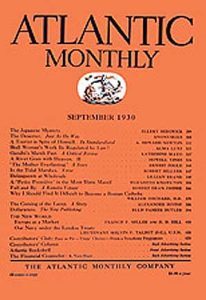
The Atlantic Monthly Articles
The Dial Magazine Articles
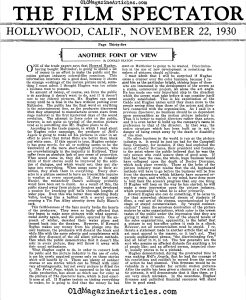
The Film Spectator Magazine Articles
The Flapper Magazine Articles
The National Park Service Articles
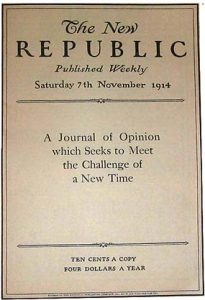
The New Republic Articles
The New York Times Articles
The North American Review Articles
The Saturday Evening Post Articles
The Saturday Review Articles
The Smart Set Articles
Theatre Arts Magazine Articles
Touchstone Magazine Articles
Trench Warfare Articles
Vanity Fair Magazine Articles
Vogue Magazine Articles

Home Front

The Recycling of Tin Cans During W.W. II

• Click Magazine, 1945 •


“In peacetime Americans open, discard, and replace an average of 45 million tin cans daily. Today, as part of of America’s industrial might, those tin cans are helping to win the war. They are cans filled with food and explosives, and and an amazing variety of necessities for the fighting fronts. Nothing is more American than the tin can…[and] the campaign to get housewives to turn in every tin can to the salvage depot has been intensified and yet it is reported that a third of the cans New Yorkers use are being thrown away. These cans are badly needed today to make morphine holders for wounded soldiers on the battlefronts. They are also needed to carry blood plasma.”


The attached article first appeared within the stapled bindings of a 1945 issue of Click Magazine in order to show the need for full civilian participation in the tin recycling programs along the home front (in that era, recycling was called “salvaging”). In order to guarantee that this message would get out to everyone, magazine editors would have been provided with these photographs and an assortment facts by a government agency called the Office of War Information.


Pictured above is the Salvage Queen of 1943.


Click here food rationing at U.S. POW camps.


Click here to learn more about the American W.W. II home front…

Read Tin Cans Go to War <br>(Click Magazine, 1945) for Free
Recycling During WW 2Recycling Tin Cans During WW 2Recycling Consumer Products During WW 2WW2 Home Front Recycling During WW 2salvaging efforts in WW2 AmericaWW2 salvage efforts 1942-1945salvage of tin canoffice of war information and home front recycling

The Recycling of Tin Cans During W.W. II

The Recycling of Tin Cans During W.W. II

The Recycling of Tin Cans During W.W. II

Recycling During WW 2Recycling Tin Cans During WW 2Recycling Consumer Products During WW 2WW2 Home Front Recycling During WW 2salvaging efforts in WW2 AmericaWW2 salvage efforts 1942-1945salvage of tin canoffice of war information and home front recycling
Scroll to Top