
















47 Magazine Articles
Click Magazine Articles
Collier's Magazine Articles
Confederate Veteran Magazine Articles
Confidential Magazine Articles
Creative Art Magazine Articles
Current Literature Magazine Articles
Direction Magazine Articles
Film Daily Magazine Articles
Freedom's Triumph Articles
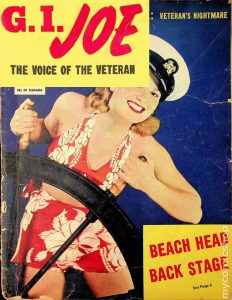
G.I. Joe Magazine Articles
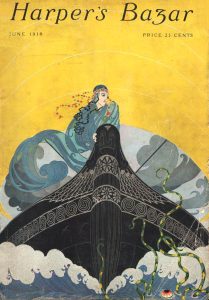
Harper's Bazaar Magazine Articles
Harper's Weekly Articles
Hearst's Sunday American Articles
Ken Magazine Articles
La Baionnette Articles
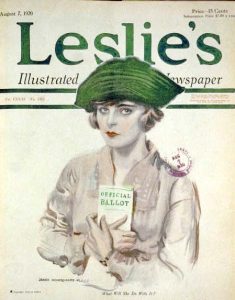
Leslie's Magazine Articles
Liberty Magazine Articles
Life Magazine Articles
Men's Wear Magazine Articles
Newsweek Articles
Outing Magazine Articles
Outlook Magazine Articles
People Today Magazine Articles
Photoplay Magazine Articles
Pic Magazine Articles
PM Tabloid Articles
Punch Magazine Articles
Rob Wagner's Script Magazine Articles
Scribner's Magazine Articles
Sea Power Magazine Articles
Stage Magazine Articles
The American Legion Monthly Articles
The American Legion Weekly Articles
The Atlantic Monthly Articles
The Dial Magazine Articles
The Film Spectator Magazine Articles
The Flapper Magazine Articles
The National Park Service Articles
The New Republic Articles
The New York Times Articles
The North American Review Articles
The Saturday Evening Post Articles
The Saturday Review Articles
The Smart Set Articles
Theatre Arts Magazine Articles
Touchstone Magazine Articles
Trench Warfare Articles
Vanity Fair Magazine Articles
Vogue Magazine Articles

Posters

Howard Chandler Christy:
Thoughts his Two Most Famous Posters

• Sea Power Magazine, 1918 •


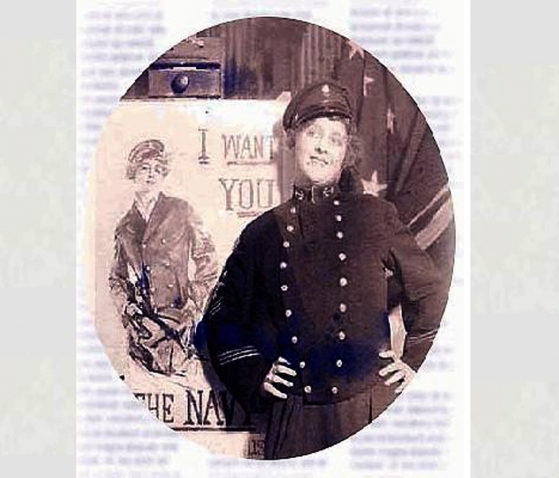
When the songwriter Irving Berlin sat down in 1915 to write his well-loved ditty I love the Girl on the Magazine Cover, we have no doubt that it was the Christy Girl who inspired him. The Christy-Girl, so-called, was the creation of the American commercial illustrator Howard Chandler Christy (1873 – 1952) who placed her famous mug on thousands of magazine covers, newspaper ads and billboards throughout the entire period of the Gilded Age.

The file attached herein consists of two articles from 1918, both pertaining to recruiting posters; one for the U.S. Navy and the other for the Marines. In the interest of national security, the Christy-Girl is depicted as a cross-dresser in both of them, and the sailors loved it; they preferred to call her “Honey Girl”, and that name fit her just fine.

It mattered little at the time what the icon was called, but you can be sure that the Kaiser and his staff must have grown weak in the knee when they learned that she, too, had received her orders to deploy.

Click here to read mare articles about W.W. I posters.

Read The ‘Christy Girl’ at War<br>(Sea Power Magazine, 1918) for Free
Howard Chandler Christy ww1 posterstwo ww1 posters by Howard Chandler ChristyCHRISTY GIRLS deployed for WW1Christy Girl magazine articleIF I WERE A MAN WW1 posters historypopular reaction to ww1 posters by Howard Chandler ChristyIF I WERE A MAN WW1 Christy Girl WW1 posterspopular reaction to the IF I WERE A MAN WW1 poster

Howard Chandler Christy:[BR]Thoughts his Two Most Famous Posters

Howard Chandler Christy ww1 posterstwo ww1 posters by Howard Chandler ChristyCHRISTY GIRLS deployed for WW1Christy Girl magazine articleIF I WERE A MAN WW1 posters historypopular reaction to ww1 posters by Howard Chandler ChristyIF I WERE A MAN WW1 Christy Girl WW1 posterspopular reaction to the IF I WERE A MAN WW1 poster
Scroll to Top