












47 Magazine Articles
Click Magazine Articles
Collier's Magazine Articles
Confederate Veteran Magazine Articles
Confidential Magazine Articles
Creative Art Magazine Articles
Current Literature Magazine Articles
Direction Magazine Articles
Film Daily Magazine Articles
Freedom's Triumph Articles
G.I. Joe Magazine Articles
Harper's Bazaar Magazine Articles
Harper's Weekly Articles
Hearst's Sunday American Articles
Ken Magazine Articles
La Baionnette Articles
Leslie's Magazine Articles
Liberty Magazine Articles
Life Magazine Articles
Men's Wear Magazine Articles
Newsweek Articles
Outing Magazine Articles
Outlook Magazine Articles
People Today Magazine Articles
Photoplay Magazine Articles
Pic Magazine Articles
PM Tabloid Articles
Punch Magazine Articles
Rob Wagner's Script Magazine Articles
Scribner's Magazine Articles
Sea Power Magazine Articles
Stage Magazine Articles
The American Legion Monthly Articles
The American Legion Weekly Articles
The Atlantic Monthly Articles
The Dial Magazine Articles
The Film Spectator Magazine Articles
The Flapper Magazine Articles
The National Park Service Articles
The New Republic Articles
The New York Times Articles
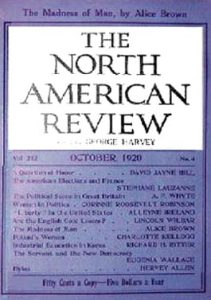
The North American Review Articles
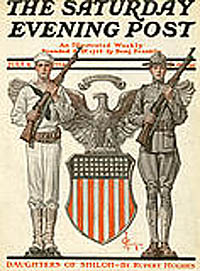
The Saturday Evening Post Articles
The Saturday Review Articles
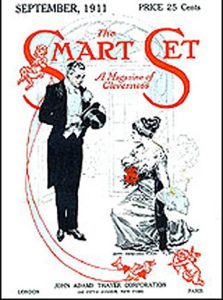
The Smart Set Articles
Theatre Arts Magazine Articles
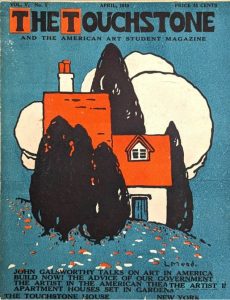
Touchstone Magazine Articles
Trench Warfare Articles
Vanity Fair Magazine Articles
Vogue Magazine Articles

WACs

The Army Stylist

• The American Magazine, 1942 •


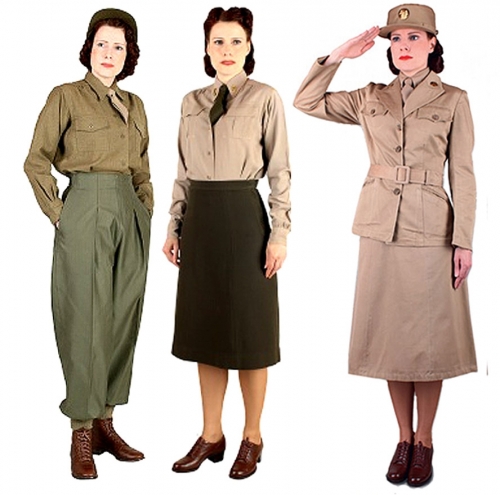
The tiny piece posted on the right tells the story of U.S. Army Colonel Letcher O. Grice, Deputy Director of the Quartermaster Corps Production Service – he was a very busy man in 1942, as the Army’s ranks slowly swelled to as many as 12,000,000 strong, posted in every climate imaginable. Among his many tasks was the assembling a suitable uniform for the Women’s Army Auxiliary Corps:

“He picked everything from purses to panties for Uncle Sam’s powder-puff army, the WAACs… as Deputy Director of the Quartermaster Corps Production Service, Colonel Grice selects everything our army wears and carries – except weapons.”

Author Jill Halcomb Smith had more to say on this subject in her 2004 book, Dressed for Duty: America’s Women in Uniform, 1898-1973 – Volume 2 – her thoughts can be read below:

“At first, and to the relief of everyone, it was announced that the Army would not design the WAAC uniform. That assignment was given to Dorthy Shaver (1893 – 1959), who was vice-president of Lord & Taylor of Manhattan. Colonel Hobby (who headed the Corps) assisted with the creation of the WAAC uniform. However, the design of the uniform eventually became the responsibility of men in the Quartermaster Corps, who tried to design a WAAC uniform based upon men’s standard sizes, such as 42 long, 42 short etc…, whereas women’s sizes were entirely different. The result was a stiff and masculine-looking uniform. Finally, a Woman’s clothing Section was created within the the Research and Development Branch, Military Planning Division, which was located in New York, instead of Philadelphia. Ira Markwett, Captain R.H. Barmon and Maxine Spengler were appointed to this new department.”

(It should be known that the WAAC cap was designed by Colonel Oveta Culp Hobby.)

Click here to read about the WAVE’s uniform…

– two books from Amazon:

Read The Man Behind The WAAC Uniforms<br>(The American Magazine, 1942) for Free
Maxine Spengler chief of women's clothing division research and development branch US ArmyUS Army Quartermaster Corps Colonel Letcher O Grice chief of the Standardization BranchWAC uniforms WW2US Army Quartermaster clothing and equipment for Womens Army Auxiliary Corps

The Army Stylist

Maxine Spengler chief of women's clothing division research and development branch US ArmyUS Army Quartermaster Corps Colonel Letcher O Grice chief of the Standardization BranchWAC uniforms WW2US Army Quartermaster clothing and equipment for Womens Army Auxiliary Corps
Scroll to Top