Author name: editor

The Ground Taken by the German Armies (NY Times, 1915)
1915, World War One

The Ground Taken by the German Armies
(NY Times, 1915)

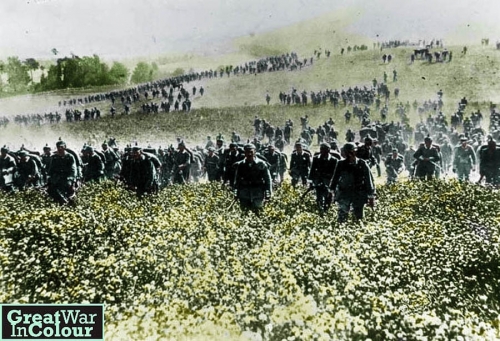
Here is a numeric account, estimated by the Germans, indicating how much of Europe was conquered and occupied by their army on the first anniversary of World War One. The report also accounts for the amount of land being occupied by the Entente powers, and the number of Allied prisoners, machine guns and artillery pieces taken by the central powers within this same time frame. The report was interpreted by the Berlin-based American Association of Commerce before being filed in its entirety by the Associated Press.

The French Navy Sank Their Own Submarine (The Atlanta Georgian, 1917)
1917, The Atlanta Georgian, World War One

The French Navy Sank Their Own Submarine
(The Atlanta Georgian, 1917)

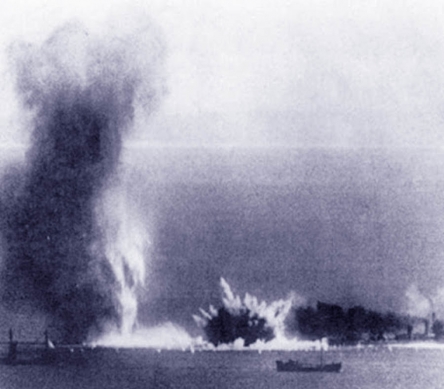
This news piece appeared in a Georgia newspaper during the closing weeks of American neutrality. The first report of this French naval blunder involving a French torpedo boat sinking a French submarine came from Berlin, rather from Paris or London, where such events would never make it past the censors.

This brief notice makes no mention as to the original source or who witnessed the accident.

Advertisement

Use shortcode [oma_ad position="summary_top"] (or other position) in your theme or widgets to display OMA Promotions here.

Life in WW2 Germany | Reporter Ralph Heinzen in Nazi Germany | Collier's Magazine June 10 1944
1944, Collier's Magazine, German Home Front

Inside Germany
(Collier’s Magazine, 1944)

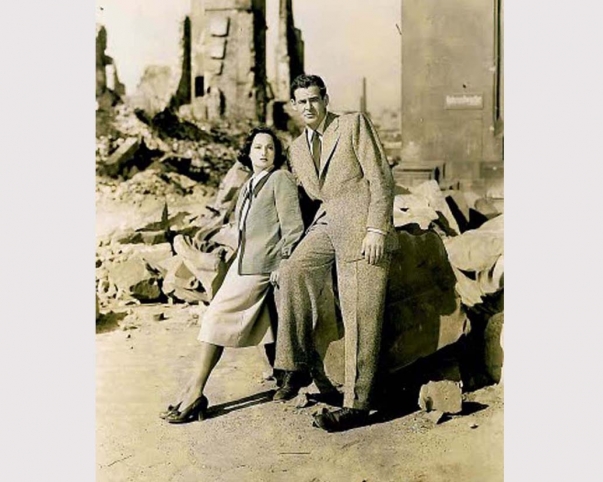
The most striking thing about Germany today is its quiet. There is no noise. The people are sullen… There are no parades, no bands, no singing in Germany now. When American internees heard the Allied bombers, saw cities in flames and felt the shock of four-ton bombs, they knew why.


This account of war-torn Germany was written by one of those internees who was incarcerated since December of 1941 and subsequently released in March, 1944.

The Rebellious Souls in Post-War Germany (Collier's Magazine, 1947)
1947, Aftermath (WWII), Collier's Magazine

The Rebellious Souls in Post-War Germany
(Collier’s Magazine, 1947)

This Collier’s Magazine article from 1947 was penned by the German-speaking Sigrid Schultz (1893 – 1980) who’s report told on those discontented Germans who enjoyed tweaking the collective noses of the armies that lorded over them – oddly believing that a war between the Western Powers and the Soviet Union was the best answer to their hopes. Elements of the populace spoke openly about the good old days under Hitler and sang the old Nazi anthem, The Horst Wessel Song:

In Munich, the signs on the square named for ‘The Victims of Fascism’ were replaced by signs reading ‘The Victims of Democracy’. The police only acted after a Munich paper front-paged the story.


A similar article from 1951 can be read here…


Read about American censorship in Occupied-Japan…

Advertisement

Use shortcode [oma_ad position="summary_top"] (or other position) in your theme or widgets to display OMA Promotions here.

Secular America on the Rise (Literary Digest, 1933)
1933, Miscellaneous, The Literary Digest

Secular America on the Rise
(Literary Digest, 1933)

The most fundamental change in the intellectual life of the United States is the apparent shift from Biblical authority and religious sanctions to scientific and factual authority and sanctions.

So, at any rate, Professor Hornell Hart, of Bryn Mawr College reads the signs…Two other investigators find evidence of a decline in dogma and a rise in the ‘social gospel’ as evidence of the humanist form of religion which Professor Hart sees foreshadowed by the morning sun.


In 1900 people wanted to know why men didn’t like going to church…

Advertisement

Use shortcode [oma_ad position="summary_top"] (or other position) in your theme or widgets to display OMA Promotions here.

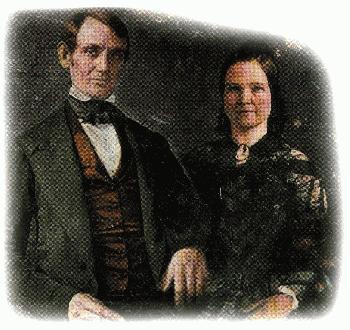
The Women Lincoln Loved (McCall's Magazine, 1920)
1920, Abraham Lincoln, McCall's Magazine

The Women Lincoln Loved
(McCall’s Magazine, 1920)

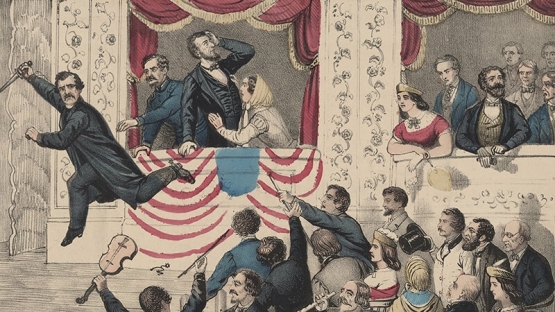
This brief article, The Women Lincoln Loved, illustrates the strong influences that four remarkable women made in the important process of molding the character of young Abraham Lincoln.

All four of these women share in and are a part of Lincoln’s greatness. They were the most powerful influences in the molding and shaping of the man and his career. Their valuation of life and their aspirations were the secret and noble forces that guided his heart and mind… Out of them was born a great and tender spirit with ‘malice toward none, charity for all.’

Advertisement

Use shortcode [oma_ad position="summary_top"] (or other position) in your theme or widgets to display OMA Promotions here.

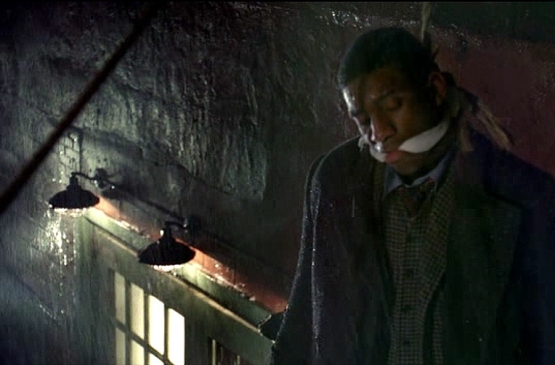
Lynching Record For The Year 1918 (The Crises, 1918)
1918, Lynchings, The Crises

Lynching Record For The Year 1918
(The Crises, 1918)

Attached is a two page account of the sixty-four lynchings that took place during 1918; the names of the victims, dates, locations, and their alleged violations. There is no mention made concerning how the data was collected.

According to THE CRISES records there were 64 Negroes, 5 of whom were Negro women, and four white men, lynched in the United States during the year 1918, as compared with 224 persons lynched and killed in mob violence during 1917, 44 of whom were lynchings of Negroes…

The Lynching Evil as Understood by Robert Moton (Review of Reviews, 1919)
1919, Lynchings, The American Review of Reviews

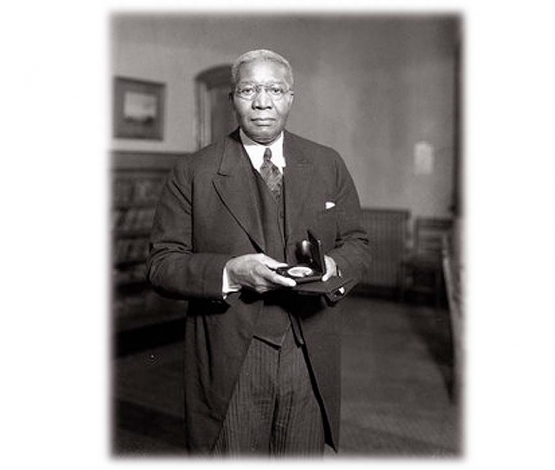
The Lynching Evil as Understood by Robert Moton
(Review of Reviews, 1919)

A digest concerning the thoughts of Tuskegee Institutes’s Robert R. Moton (1867 – 1940) and his reflections on the 1919 lynchings. Principal Moton pointed out that lynching served as the primary cause for the northerly migration of the African-Americans and was creating a labor shortage that would in no way benefit the economies of the Southern states. He stated that more and more Whites were recognizing the injustice of the crime and taking measures to actively oppose it. Seven influential Southern newspapers were named that had recently condemned lynching.

Advertisement

Use shortcode [oma_ad position="summary_top"] (or other position) in your theme or widgets to display OMA Promotions here.

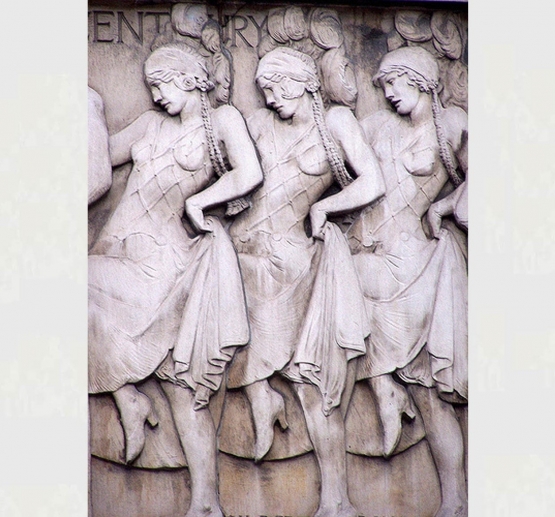
1922, Silent Movie History, The Flapper Magazine

Silent Film Flapper Colleen Moore
(Flapper Magazine, 1922)

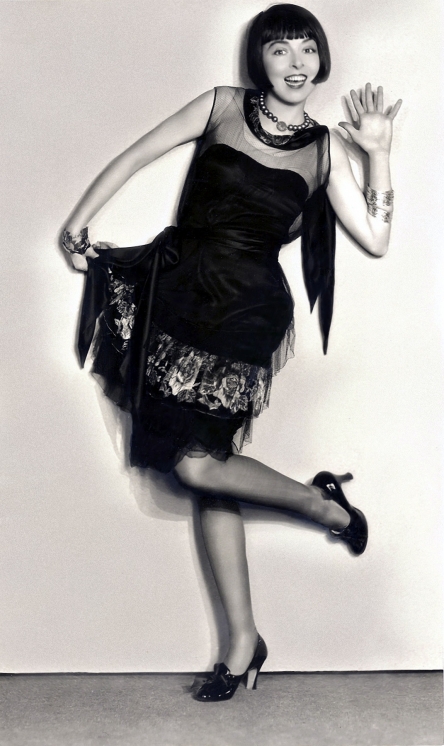
By the time this piece first appeared in THE CHICAGO DAILY NEWS (prior to being picked up by the fast crowd at FLAPPER MAGAZINE) Colleen Moore was all of twenty-one years of age with fourteen Hollywood films to her credit. This interview was conducted over lunch by the polished Hollywood reporter Gladys Hall, who no doubt, picked up the check; on that day Miss Moore wanted to talk about flappers.


The wise elders of Hollywood were perfectly fine about casting flappers to play in various movies, but they didn’t always produce films that were sympathetic to their causes; for example, the editors of FLAPPER MAGAZINE hated this movie.


We recommend this book: The Silent Feministsstyle=border:none

Famous Flapper | Flapper Movie Star Colleen Moore | 1920s Celebrity Flapper
1922, Flappers, The Flapper Magazine

Colleen Moore: A Flapper in Hollywood
(The Flapper Magazine, 1922)

By the time this piece appeared in The Chicago Daily News (prior to being picked up by the fast crowd at Flapper Magazine) Colleen Moore was all of twenty-one years of age with fourteen Hollywood films to her credit. This interview was conducted over lunch by the polished Hollywood reporter Gladys Hall, who we’re sure picked up the check; on that day Miss Moore wanted to talk about flappers, a flock she was proud to be numbered among (and a subject she seemed to know well).

George Bernard Shaw Witticisms | Wit of George Bernard Shaw | George Bernard Shaw Epigrams
1947, Coronet Magazine, Miscellaneous

Shavian Witticisms
(Coronet Magazine, 1947)

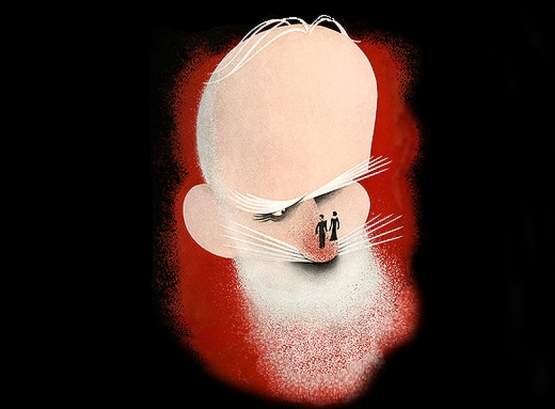
Myriad are the clever epigrams that have been attributed to the famed Anglo-Irish playwright George Bernard Shaw (1856 – 1950) – and attached you’ll find additional chestnuts to add to the list. These particular ones recall the bon mots he tossed out while prattling-on with various assorted glitterati of his day; yapers like Clare Boothe Luce, Orson Welles, Judith Anderson and tennis champ Helen Wills.


More about Shaw can be read here.

Advertisement

Use shortcode [oma_ad position="summary_top"] (or other position) in your theme or widgets to display OMA Promotions here.

Scroll to Top