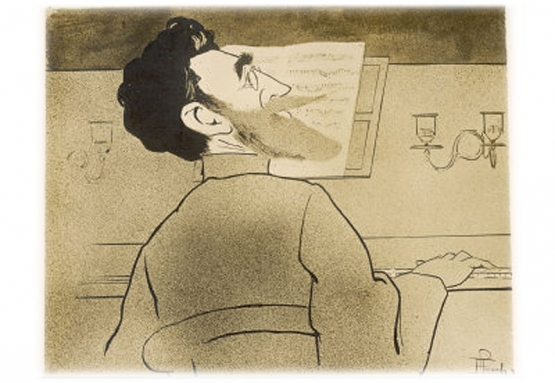
Isamu Noguchi
(Creative Art, 1933)
A profile of the twenty-eight year old artist Isamu Noguchi (1904 – 1988).
Here is a paragraph about the school of dance that was maintained by Isadora Duncan in Rye, New York; the notice is illustrated by three stunning photographs by Frances Benjamin Johnston (1864 – 1952) depicting thirteen young girls in Grecian attire.
For those of you out there who collect facts about American World War II medals, here is an article from the early post-war period involving the amount of gallantry medals that were awarded throughout the course of the U.S. involvement to U.S. Army personnel. Keep in mind that this is an immediate assessment from the fall of 1945 and that the Army would continue to distribute the decorations to the deserving G.I.s for many more years to come. The article discusses the amount of Medals of Honor that were awarded and the percentage of that number that were posthumously awarded. The number of Purple Hearts that were distributed is a topic that is not touched upon here.
Read what the U.S. Army psychologists had to say about courage.
Strong arguments were put to verse by the popular song writer Howard Dietz (1896 – 1983) as to why the up-town theater crowd had it all wrong.
The picture theater is always dark
So things you throw won’t hit the mark.
The actor in the movie play
Can’t hear the things you often say.
The spoken drama’s always longer;
The movie hero’s always stronger.
Click here to read more comparisons between film and stage.
Photographic portraits of the six sons and one daughter of the German Kaiser. The sons pose polished, varnished and bemedaled as the military fops they were trained to be: Born in a palace; in a barracks bred. The journalist points out that even Wilhelm’s one daughter served as a Colonel in an elite cavalry regiment.
Click here to read about the royal princess colonels of of the pre-war period.
While so many European men were suffering on the Somme and at Verdun, some American fellows were having a swelligant time on the golf links; beautifully attired in linen golf clothes that are pictured in the accompanying attachment.
As far as we know, this 1945 page from YANK was the first article to tell the tale of the incredible Herbert Zipper (1904 – 1997); a story that began in Austria during the Anschluss (1938), carried on through two German concentration camps (Dachau and Buchenwald), continued through to Paris, Manila, and an Imperial Japanese detention center after which the story concludes with Dr. Zipper happily conducting his orchestra in a post-war concert before the victorious American Army.
This story was told in the highly celebrated 1995 documentary film, Never Give Up: The 20th-Century Odyssey of Herbert Zipper (American Film Foundation Production). This is a good read; it is a remarkable World War Two story about a rebellious soul with a lot of guts.
Two and a half months into the war, a devoted reader of THE SPECTATOR (and we are among them) responded to an earlier article concerning partisan sniping activity in occupied France and Belgium, wrote to the editors to point out that the Hague Convention (precursor to the Geneva Convention) condemned the practice of summary sniper executions. Mention is made of the fact that the occupying German forces
disregarded the law.
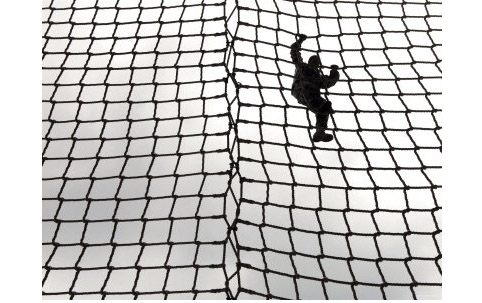
Erroneously believing that their new recruits were lacking in a sufficient amounts of anti-Teutonic zeal, the brass-hats in charge of the U.S. Army training gulag at Fort Knox, Kentucky decided to employ roving bands of faux-Nazis to frustrate and bedevil the men in training. The hard-charging editors of YANK belittled the scheme.
Attached is black and white diagram of the Walther P-38 pistol, with all parts named.
This diagram, accompanied by a few paragraphs concerning it’s unique characteristics, appeared in the American Army weekly YANK MAGAZINE, and was intended to be read by all those who were most likely to stand before the business end of this German side arm.
We regret that the scan is not very clear and should be printed for better viewing.
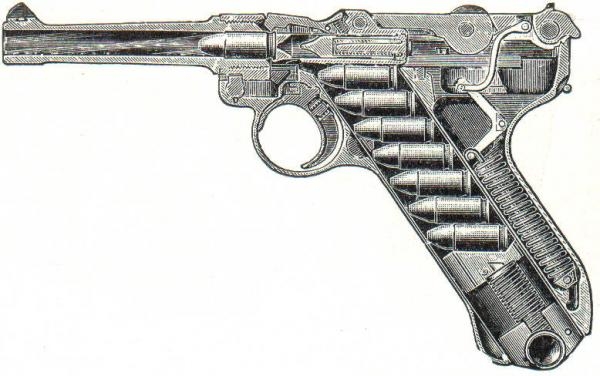
Two black and white diagrams illustrating the unique features of the German Luger pistol appear alongside a brief history of the weapon. Additional information included in the article are operating instructions and a table of characteristics which lists assorted fun facts about the weapon; it’s weight, length and range, as well as an explanation as to how the piece compares to the M1911 A1 Colt 45 (the standard issue side arm of the U.S. Army):
Since 1908 the Luger pistol has been the official German military side arm. George Luger of the DWM Arms Company in Germany developed this weapon, known officially as Pistole 08, from the American Borchart pistol invented in 1893
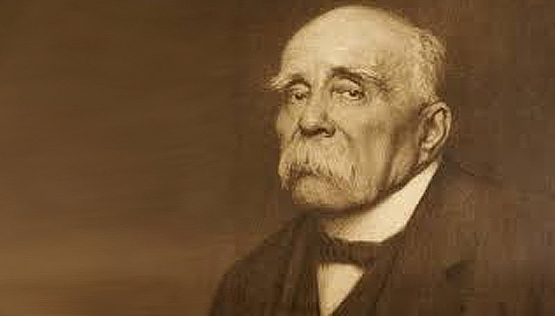
Georges Clemenceau (1841-1929) served as one of France’s wartime Premieres (1917-1920). The following is an excerpt from his letter to the American people imploring them to share in his outrage concerning Germany’s open contempt for their obligations agreed to under the Versailles Treaty. Clemenceau would die seven years later, fully convinced that another devastating war with Germany was just around the corner.
Click here if you would like to read about the 1936 Versailles Treaty violations.
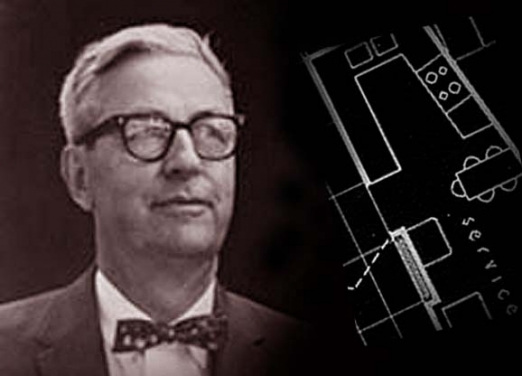
Living, as he did, at a time when the average American homeowner was more inclined to prefer a ranch house over a machine for living that those vulgar, snail-eating European modernists were capable of creating, American architect George Frederick Keck (1895 – 1980) saw fit to write this spirited defense on behalf of modern design. Playing the part of a modernist missionary seeking to convert the heathens, Keck argued that his tribe of architects – with their understanding of contemporary building materials and respect for simplicity – were suited to create a better standard of living for one and all.
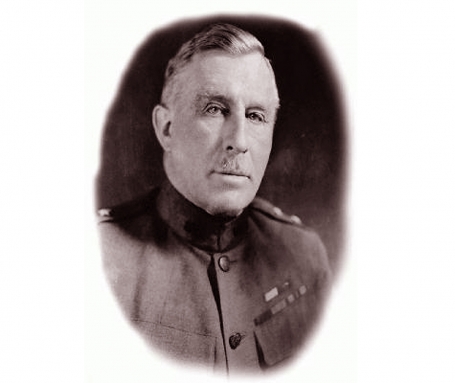
Major General Leonard Wood (1860 – 1927) served as the U.S. Army Chief of Staff between the years 1910 through 1914 and was relieved of that office by President Wilson, who was unnerved by his wariness concerning America’s inability to wage a modern war. Having alienated the president and other prominent generals in Washington, he continued on this path by launching the Preparedness Movement a year later in which he established four volunteer army training camps across the country.
Wood’s admirer’s were legion, and this article opines that his finely tuned military mind was not being put to proper use:
General Wood has committed the sin of having been right from the very start. He has always been right. He has been right when Washington has been wrong. It is upon the heads of the entire pacifist crew who sold their shriveled souls and their country’s safety to the devil of German propaganda, that is falling the blame for the blood of those who are dying on the hills of Picardy and the plains of Flanders.
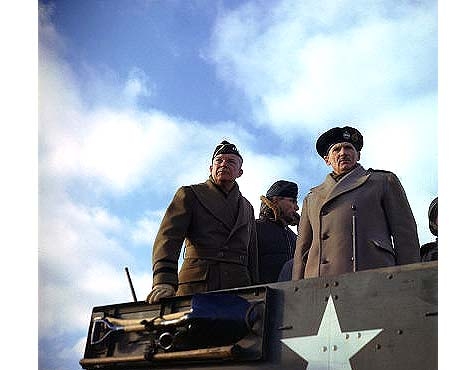
In two full-dress interviews in Paris and Washington, General Dwight D. Eisenhower talked about some of the high spots of the campaign for Europe and about certain post-VE-Day questions. It’s been generally agreed that the interviews were pretty historic. Here are highlights of the general’s talks to the press in the two Allied capitals…
Clike here to read about General Eisenhower and the German surrender.
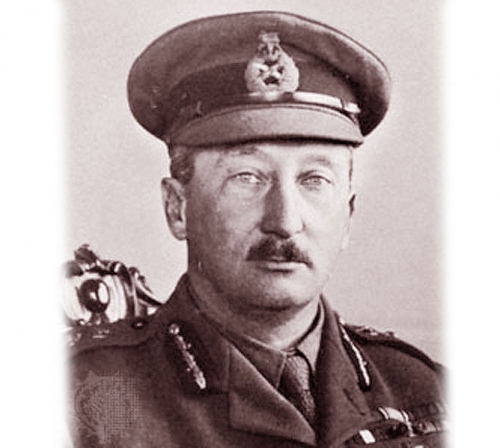
The following book review is for all of you who toss and turn all night concerning the damaged reputation that was thrust upon the British Fifth Army General Hubert Gough (1870 – 1963) as a result of the German offensive that was launched during March of 1918.
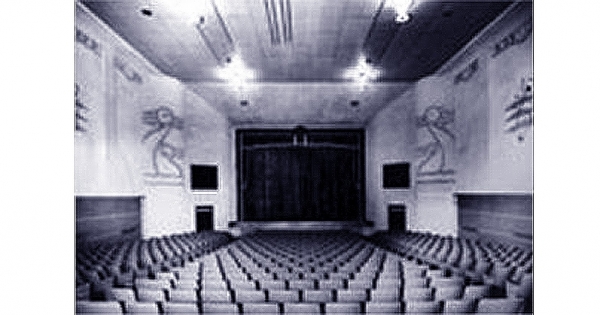
An article from TRICOLOR MAGAZINE explains how the French film industry fared under the German occupation.
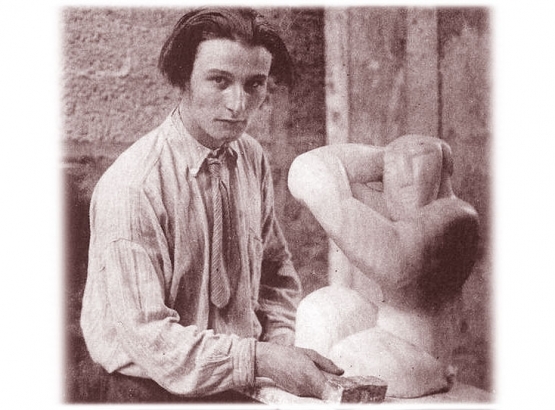
Henri Gaudier-Brzeska (1891 – 1915) was an avant-garde sculptor of the Vorticist school. Prior to the war he resided in London and broke bread with the talented Bohemians of that burg, and this article is composed of snippets of text from a remembrance written by his close friend, Ezra Pound.