The Court
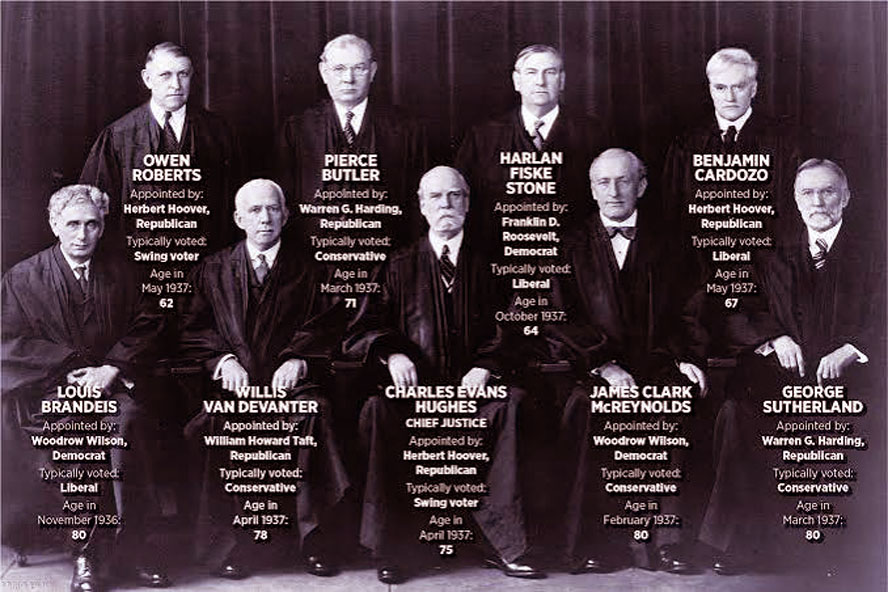
(Pathfinder Magazine, 1937)
Read more …
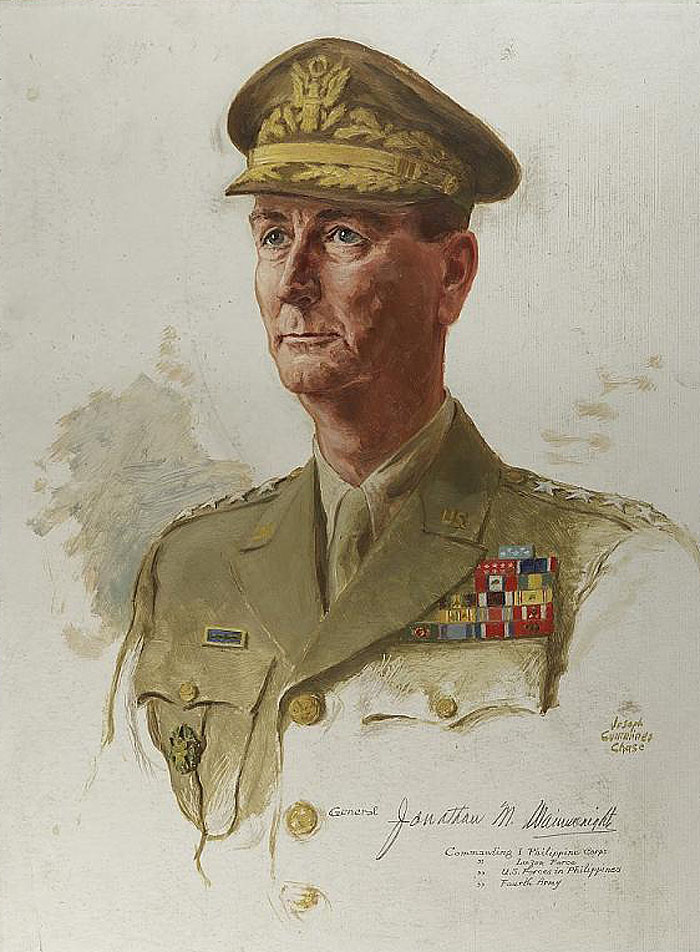
“Wainwright never had a fighting chance in his last command in the Philippines… But in those last few days he demonstrated his fine soldiery demeanor, leadership, courage, and resourcefulness.”
“The Fall of Corregidor (May 6, 1942) marked the end of an epic fight that won acclaim from Allied leaders the world over. The most heartfelt tribute came from Gen. MacArthur in Australia: ‘… But through the bloody haze of the last reverberating shot I shall always seem to see the vision of its grim, gaunt and ghostly men, still unafraid.'”
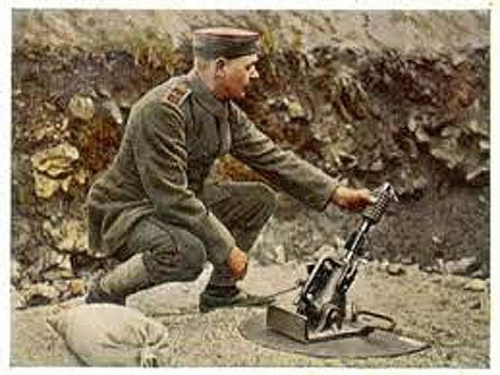
The attached photo first appeared in a 1918 issue of Great War Magazine and pictures the Brandt Grenade-Thrower. Designed in
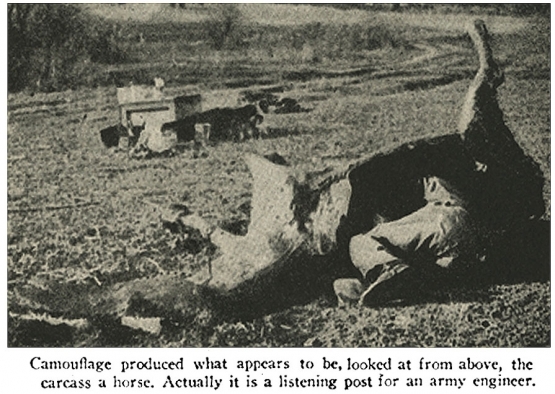
History’s ancient example of camouflage, the Trojan horse, has a modern twist in this illustrated article. The journalist reported that at some undated point earlier in the war the French had a chance to set a mock horse-carcass between the opposing trenches and use it as an observation post.
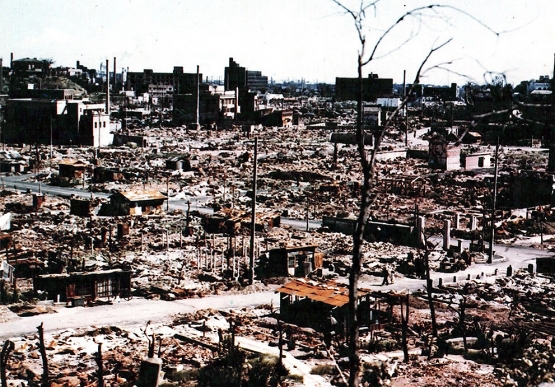
Four years after Pearl Harbor, the editors of the Japanese newspaper Asahi gazed out of the windows from their offices and saw the charred remains of their enemy-occupied homeland and recognized that they’d made a fatal mistake:
We once more refresh our horror at the colossal crime committed and are filled with a solemn sense of reflection and self-reproach…
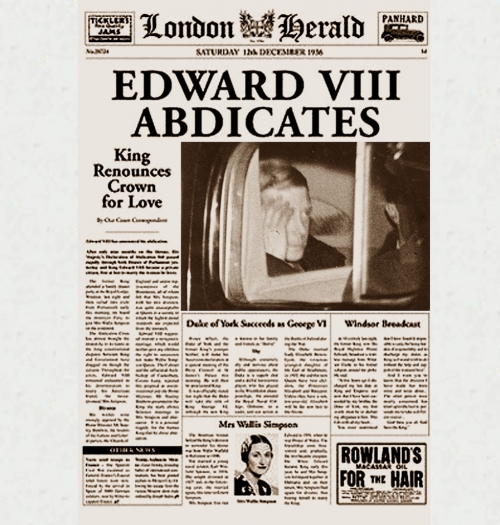
“In a fast traveling automobile, Edward, no longer a king but still wealthy with a reputed income of $5000,000 a year, sped to Portsmouth, England. Accompanying him into exile were only his loyal equerry, Col. Piers Legh; his private detective, David Storier; a valet and a pet Cairn terrier. Leaving the auto, the party went aboard the warship Fury which immediately steamed for Boulogne in France.”
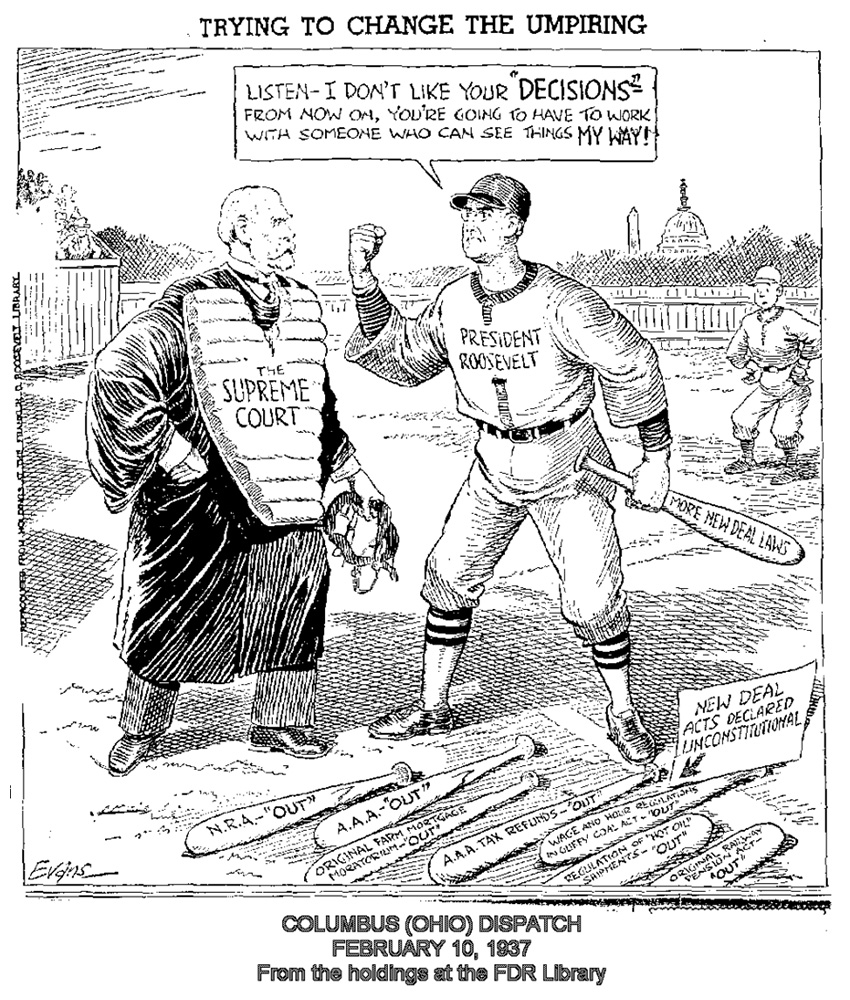
The attached article was written by FDR himself, and in it he explains the ‘court crises’ (as he called it) quite clearly. On page five, he eloquently lays out his plan for the Supreme Court.
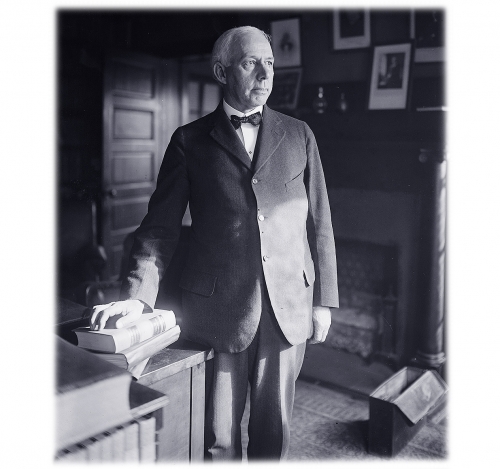
When FDR sat down and planned whose voice on the Supreme Court he would most like to nullify, it wasn’t always that of Justice Van Devanter. Although Willis Van Devanter was a conservative, he was a thoughtful jurist who was known to, from time-to-time, vote in support of some of the New Deal legislation.
Justice Pierce Butler “was born in a log hut near Northfield, Minn., on St. Patrick’s Day, 1866… Butler believes in few laws and little regulation because he himself grew up under a system of every man for himself and the devil take the hindmost.”
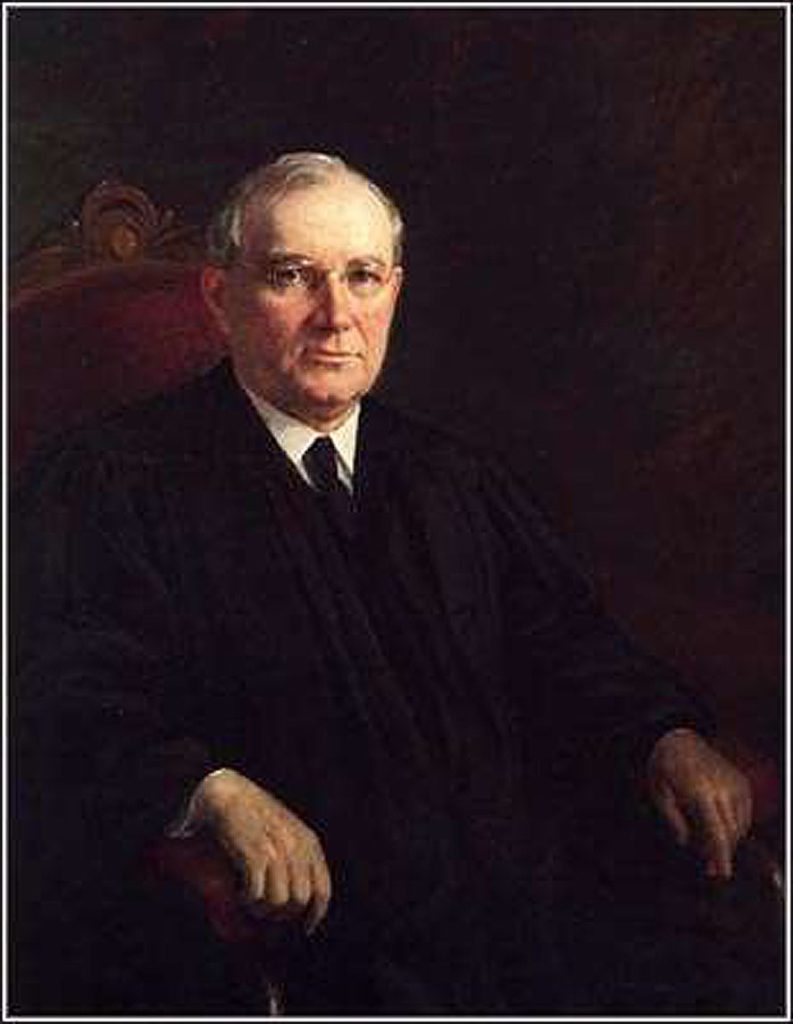
Bingo! Justice James Clark McReynolds was the stick-in-the-mud FDR wished to have disappeared from the court. This journalist observed that McReynolds “seemed to regard himself as the last Bulwark of a social order which Woodrow Wilson deemed too antiquated in 1914”. Indeed, he was cranky and crusty and disliked Jews and black people equally and didn’t seem to care who knew it.
Attached is a three-and-a-half-page summation of Associate Justice George Sutherland and the various cases he heard while sitting on the U.S. Supreme Court.
“The latest large-scale effort to harness the sun is taking place at Tashkent, capital the Uzbek Soviet Republic of Central Asia, USSR. Near this city, Soviet scientists, according to Science Service, have been operating on kitchen, bath, and water-tower with power supplied by the sun…
An anonymous Philadelphia journalist, dumbstruck by the sudden death of FDR, compared the fallen president to Abe Lincoln because both were successful military leaders. He goes a step further by insisting that Walt Whitman’s famous ode to Lincoln is equally applicable for FDR.
During the closing days of the war in Europe, U.S. Representative Clinton P. Anderson (D. NM. 1890 – 1975) adhered to the many cries of his constituents and looked into the possibility that the American military had abused the trust placed in them concerning allocation of meat.